





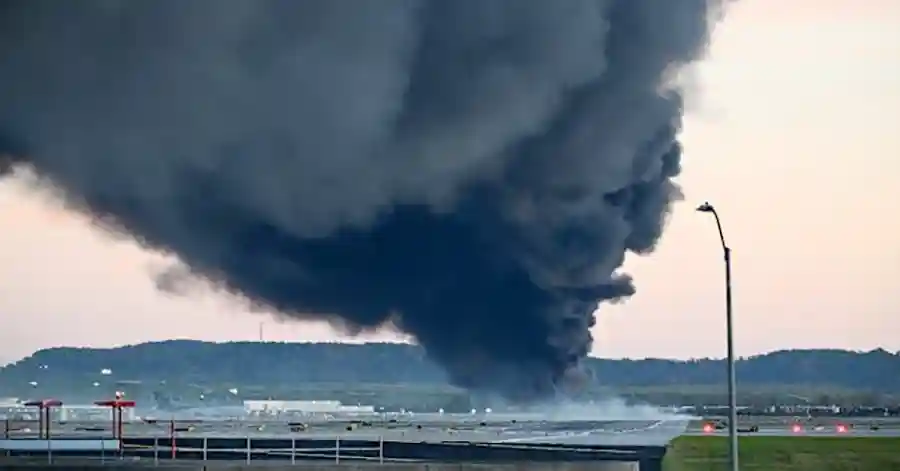



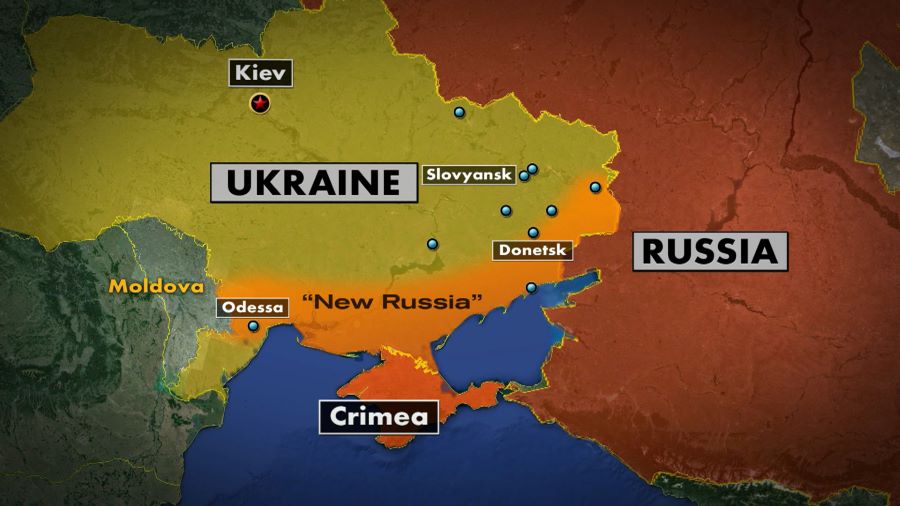

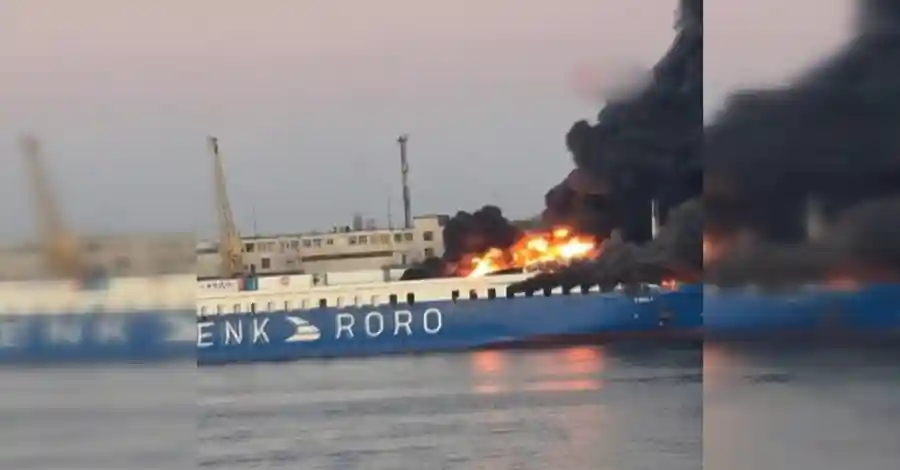
A Turkish-operated civilian cargo ship burst into flames Friday afternoon after a ballistic missile struck the vessel at Ukraine’s Chornomorsk port near Odesa around 4:00 PM local time (2:00 PM GMT). The M/V CENK T, owned by Turkish maritime company Cenk Denizcilik, was carrying fresh fruits, vegetables, and food supplies when the attack occurred shortly after docking at the strategic Black Sea terminal.
Turkey’s Foreign Ministry immediately expressed grave concern over the escalating conflict spilling into critical maritime trade routes, while Ukrainian President Volodymyr Zelensky condemned what he called another senseless Russian attack on civilian infrastructure. The incident has intensified diplomatic tensions and renewed calls for immediate cessation of hostilities affecting international shipping in the volatile Black Sea region.
M/V CENK T: Details of the Attacked Turkish Vessel
The targeted ship operates as a roll-on/roll-off (Ro-Ro) ferry designed to transport trucks, vehicles, and cargo between Turkey and Ukraine. The ship is a 185-metre-long ferry that sailed under the Panama flag, according to company documentation, though it remains Turkish-owned and operated.
Vessel Specifications:
- Name: M/V CENK T
- Operator: Cenk Denizcilik (Turkish maritime company)
- Type: Roll-on/Roll-off passenger and cargo ferry
- Length: 185 meters (607 feet)
- Flag: Panama (convenience flag)
- Route: Karasu, Turkey to Odesa, Ukraine
- Cargo at time of attack: Fresh produce, vegetables, food supplies
The vessel regularly runs the Karasu-Odesa route across the Black Sea, providing vital commercial shipping links between Turkey and Ukraine. This maritime corridor has become increasingly dangerous since Russia’s full-scale invasion of Ukraine in February 2022, with multiple incidents threatening civilian shipping operations.
Attack Timeline: How Events Unfolded Friday Afternoon
Turkish maritime company Cenk Shipping said in a statement that its vessel “loaded entirely with fresh fruits, vegetables and food supplies on the Karasu-Odesa route, was subjected to an air attack today at 16:00 local time, shortly after docking at the Chornomorsk port.”
Chronological Breakdown:
4:00 PM Local Time (2:00 PM GMT): The M/V CENK T completes docking procedures at Chornomorsk terminal after crossing the Black Sea from Karasu, Turkey. The vessel carries full cargo of perishable food items destined for Ukrainian markets.
Approximately 4:05 PM: Russian ballistic missile strikes the vessel, causing immediate fire outbreak in the bow section. The sudden impact creates confusion but crew members initiate emergency protocols.
4:10-4:30 PM: The ship sustained a fire in its bow section that was quickly extinguished by tugboats, port firefighters and crew. Emergency responders from multiple sources converge on the burning vessel to prevent fire spread to cargo holds.
4:30-5:30 PM: Crew members and truck drivers aboard the vessel are safely evacuated from the damaged ship. Port authorities secure the area and assess damage while firefighting operations continue.
Evening: Turkish Foreign Ministry issues official statement expressing concern. Ukrainian government confirms the attack was conducted by Russian forces. International media begins reporting the incident.
Zero Casualties: Successful Emergency Evacuation
Despite the severity of the missile strike and resulting fire, the crew and drivers were safely evacuated, with no Turkish citizens injured. This remarkable outcome reflects effective emergency response protocols and the professionalism of both ship crew and port emergency services.
Evacuation Success Factors:
- Rapid crew response to emergency alarm systems
- Immediate deployment of port firefighting units
- Coordinated evacuation procedures
- Tugboat assistance in firefighting operations
- Clear communication between vessel and shore
- Well-trained personnel familiar with emergency protocols
Turkey’s Foreign Ministry confirmed that according to preliminary information, all personnel were accounted for and no injuries occurred. Türkiye’s consulate general in Odesa is monitoring the situation and providing support to Turkish nationals affected by the incident.
Turkey’s Official Response: Demands for Immediate Action
“This incident points to the validity of our previously recorded concerns regarding maritime security and freedom of navigation, as the war in our region continues to spread across the Black Sea,” the foreign ministry said in a statement on Friday.
Ankara’s response emphasized three critical concerns:
1. Maritime Security and Freedom of Navigation
Turkey has repeatedly warned that the Russia-Ukraine conflict threatens international shipping rights in the Black Sea. As a Black Sea coastal nation and NATO member maintaining relations with both Russia and Ukraine, Turkey occupies a unique diplomatic position enabling it to advocate for shipping corridor protections.
The attack on the M/V CENK T validates Turkey’s longstanding concerns that escalating military operations endanger civilian vessels engaged in legitimate commercial activities. International maritime law provides protections for non-combatant ships, yet these safeguards appear increasingly meaningless amid intensifying conflict.
2. Critical Infrastructure Protection
The ministry also reiterated the need for a regulation to suspend attacks targeting navigation safety as well as the energy and port infrastructure of the parties to prevent further escalation in the Black Sea.
Turkey’s call encompasses:
- Port facilities essential for commercial operations
- Energy infrastructure supporting regional economies
- Navigation safety systems guiding international shipping
- Grain export terminals feeding global food supplies
- Oil and gas terminals crucial for energy security
3. Urgent Ceasefire Appeal
Turkey renewed its call for immediate cessation of hostilities between Russia and Ukraine. While maintaining formal neutrality, Turkey has attempted to mediate between the warring parties throughout the conflict, hosting negotiation rounds and facilitating the Black Sea Grain Initiative that temporarily protected agricultural exports.
Ukraine’s Response: Zelensky Condemns “Senseless” Attack
“Today’s Russian strike, like many other similar attacks, had no and could have no military purpose. A civilian vessel in the port of Chornomorsk was damaged,” Zelenskyy said.
The Ukrainian president characterized the attack as further evidence that Russia deliberately targets civilian infrastructure rather than military objectives. “This proves once again that Russians not only fail to take the current opportunity for diplomacy seriously enough, but also continue the war precisely to destroy normal life in Ukraine,” he said.
Broader December 12 Attacks on Odesa Region
The M/V CENK T strike occurred as part of broader Russian military operations targeting the Odesa region Friday. Russia launched a ballistic missile and drone attack against Ukraine’s Odessa region, triggering explosions in multiple locations and prompting air defence activity.
Additional Targets Struck:
- Odesa port: Container crane damaged, one private company employee injured
- Chornomorsk port: Turkish vessel struck
- Energy infrastructure: DTEK substation hit by drone strikes
- Multiple residential areas: Air defense systems activated
Ukraine’s Restoration Minister Oleksiy Kuleba noted that “The strike targets civilian logistics and commercial shipping. Russia systematically attacks port infrastructure that ensures the transport of food and goods to global markets”.
Russia’s Silence: No Official Comment on Turkish Ship Strike
Notably, there was no immediate comment from Russian authorities regarding the attack on the Turkish vessel. Moscow typically either denies responsibility for strikes on civilian targets or claims they served legitimate military purposes by targeting alleged Ukrainian military assets.
The absence of Russian commentary may reflect diplomatic sensitivity given Turkey’s status as a NATO member maintaining working relationships with Moscow. Turkey controls the Turkish Straits (Bosphorus and Dardanelles), making it a critical player in Black Sea geopolitics with leverage over Russian naval access to the Mediterranean.
Possible Russian Perspectives:
- Claim the vessel carried military cargo disguised as civilian goods
- Assert the strike targeted port infrastructure, not the ship specifically
- Maintain silence to avoid diplomatic confrontation with Turkey
- Internally investigate whether the strike violated operational guidelines
- Wait for Turkish diplomatic response before formulating official position
Black Sea Maritime Crisis: Growing Threats to International Shipping
The attack on the M/V CENK T represents the latest escalation in what maritime insurers and shipping companies increasingly view as an unsustainable security environment in the Black Sea.
Historical Context: Attacks on Civilian Shipping
Since Russia’s February 2022 invasion of Ukraine, multiple incidents have endangered civilian vessels:
July 2023: Russia withdrew from the Black Sea Grain Initiative, ending UN-brokered protections for agricultural cargo ships. Moscow subsequently declared Ukrainian ports potential military targets.
September 2023: Russian missiles struck the Odesa port area, damaging grain export facilities and narrowly missing civilian vessels.
October 2023: Russia claimed it would treat all ships approaching Ukrainian ports as potential military cargo carriers, regardless of flag or cargo.
2024 Incidents: Multiple near-misses and warning shots fired at civilian vessels attempting to reach or depart Ukrainian Black Sea ports.
The December 2024 strike on the Turkish vessel marks an escalation as it represents the first confirmed direct hit on a NATO member’s flagged vessel engaged in civilian commercial operations.
Economic Impact on Regional Trade
The deteriorating security situation has created severe economic consequences:
Shipping Industry Responses:
- Insurance premiums for Black Sea routes increased 300-500%
- Many international shipping companies refuse Ukrainian port calls
- Alternative overland export routes face capacity limitations
- Grain exports reduced to 30% of pre-war levels
- Turkish shipping companies face difficult risk assessments
Global Food Security Implications: Ukraine previously exported 45 million tons of grain annually, feeding 400 million people worldwide. Disrupted Black Sea shipping has contributed to global food price increases and supply shortages affecting developing nations most severely.
International Law and Maritime Warfare: Legal Considerations
The strike on the M/V CENK T raises complex questions about international humanitarian law and the laws of armed conflict at sea.
Protections for Civilian Vessels
International maritime law, codified in various conventions including the United Nations Convention on the Law of the Sea (UNCLOS), establishes clear protections for civilian vessels during armed conflicts:
Key Legal Principles:
- Distinction: Combatants must distinguish between military and civilian objects
- Proportionality: Incidental civilian damage must not be excessive relative to military advantage
- Precaution: Attackers must take feasible precautions to avoid civilian harm
- Freedom of Navigation: Civilian ships maintain navigation rights even in conflict zones
Relevant Questions:
- Did Russian forces properly identify the target before attacking?
- Could they reasonably determine the vessel’s civilian status?
- Does transporting food supplies to Ukraine constitute legitimate targeting?
- What responsibility exists for attacks on vessels flying third-party neutral flags?
War Crimes Considerations
Deliberately attacking civilian vessels without military justification potentially constitutes war crimes under the Rome Statute of the International Criminal Court. However, proving intent and establishing whether the vessel was mistakenly identified as military remains challenging.
Ukraine has documented thousands of alleged Russian war crimes for eventual prosecution. Each incident involving civilian casualties or infrastructure damage adds to the evidentiary record that may be examined by international tribunals.
Turkey’s Diplomatic Tightrope: Balancing Act Between Russia and NATO
The attack on a Turkish-owned vessel places Ankara in a delicate diplomatic position, highlighting Turkey’s complex role as a NATO member maintaining economic and political ties with Russia.
Erdogan-Putin Communications
The incident occurred just hours after Turkish President Recep Tayyip Erdogan reportedly raised concerns about attacks on Ukrainian infrastructure during communications with Russian President Vladimir Putin. The timing suggests either deliberate disregard for Turkish concerns or lack of coordination between Russian political leadership and military commanders.
Turkey’s Dual Relationships:
- NATO Membership: Turkey remains a committed alliance member providing military support to Ukraine, including Bayraktar drones
- Economic Ties with Russia: Turkey continues importing Russian natural gas and maintains tourism and trade relationships
- Diplomatic Mediation: Turkey has hosted peace talks and facilitated the now-defunct grain export agreement
Strategic Importance of Turkish Position
Turkey controls the Turkish Straits, the only maritime connection between the Black Sea and Mediterranean Sea. Under the Montreux Convention (1936), Turkey regulates warship passage through these strategic waterways.
Turkey’s Leverage:
- Controls access for Russian naval vessels
- Provides diplomatic channels unavailable to Western powers
- Maintains credibility with both sides as potential mediator
- Balances regional stability concerns with alliance obligations
Ankara has closed the straits to warships of belligerent nations since the conflict began, effectively trapping Russian Black Sea Fleet vessels in their current locations while preventing reinforcements from other fleets.
Chornomorsk Port: Strategic Importance and Vulnerability
Explosions were heard in the port city of Chornomorsk and several districts of Odessa after targets were detected coming from the Black Sea, highlighting the port’s exposed position and strategic significance.
Port Infrastructure and Operations
Chornomorsk (formerly Ilyichevsk until 2016 renaming) ranks as one of Ukraine’s three major Black Sea ports alongside Odesa and Yuzhny:
Port Capabilities:
- Container terminals handling diverse cargo types
- Grain export elevators and loading facilities
- Ro-Ro ferry terminals for vehicle and truck transport
- Liquid bulk terminals for oils and chemicals
- Railway connections to Ukrainian interior
- Cold storage facilities for perishable goods
Operational Status During War: Despite ongoing conflict risks, Chornomorsk has maintained limited operations, particularly for essential food imports and exports. The port’s vulnerability to Russian missile strikes from both sea and air platforms creates constant danger for vessels and personnel.
Previous Attacks on Port Infrastructure
Russian forces have repeatedly targeted Odesa region ports throughout the conflict:
Pattern of Attacks:
- Grain storage facilities destroyed
- Port equipment damaged
- Administrative buildings struck
- Nearby residential areas hit by debris
- Energy infrastructure supporting port operations targeted
Each attack disrupts operations for days or weeks, compounds economic damage, and discourages future commercial shipping utilization.
Impact on Turkish-Ukrainian Trade Relations
Turkey ranks among Ukraine’s most important trading partners, with bilateral trade historically exceeding $7 billion annually. The Black Sea maritime route provides the most efficient and cost-effective transportation method for this commerce.
Trade Disruption Consequences
Key Turkish Exports to Ukraine:
- Fresh fruits and vegetables
- Processed foods and beverages
- Textiles and clothing
- Machinery and equipment
- Construction materials
Key Ukrainian Exports to Turkey:
- Agricultural products (grains, oilseeds)
- Iron and steel products
- Machinery and mechanical equipment
- Mineral resources
- Wood and wood products
The attack on the M/V CENK T, carrying Turkish food exports to Ukraine, directly threatens this vital economic relationship. Turkish shipping companies must now reassess risk calculations for Ukrainian port calls, potentially reducing service frequency or demanding higher freight rates that ultimately increase consumer costs.
Regional Security Implications: NATO and Black Sea Stability
The strike on a Turkish vessel creates potential Article 5 considerations, though Turkey has not characterized the incident as requiring alliance response. NATO’s collective defense commitment applies to attacks on member states’ territories, but interpretations regarding vessels flying member nations’ flags operating in conflict zones remain ambiguous.
NATO’s Black Sea Posture
Three NATO members border the Black Sea: Turkey, Bulgaria, and Romania. The alliance has increased its regional presence since 2022:
Enhanced NATO Activities:
- Increased air patrols over member states
- Enhanced maritime surveillance operations
- Rotational troop deployments in Romania and Bulgaria
- Intelligence sharing with Ukraine
- Defensive weapons provision to frontline states
However, NATO has carefully avoided direct military confrontation with Russian forces, maintaining clear boundaries between support for Ukraine and alliance involvement in combat operations.
Future Escalation Risks
The attack on Turkish commercial shipping raises concerning escalation possibilities:
Potential Scenarios:
- Deterrence Success: Russia refrains from further attacks on Turkish vessels after diplomatic pressure
- Continued Targeting: Additional strikes on NATO-flagged ships despite protests
- Turkish Naval Escorts: Turkey deploys naval protection for its commercial vessels
- Shipping Boycott: Turkish companies cease Ukrainian port operations entirely
- NATO Response: Alliance takes collective action if pattern of attacks continues
Any scenario involving direct military confrontation between Turkish and Russian forces would dramatically expand the conflict with unpredictable consequences.
Humanitarian Concerns: Food Security and Civilian Suffering
Beyond geopolitical implications, the attack exemplifies how military operations targeting civilian infrastructure creates humanitarian consequences extending far beyond immediate combat zones.
Global Food Supply Chain Disruption
The M/V CENK T carried fresh produce and food supplies—essential items for Ukrainian civilian populations. Attacks discouraging such shipments compound food insecurity already affecting millions of Ukrainians.
Ukrainian Food Security Challenges:
- Reduced agricultural production in conflict zones
- Damaged food storage and processing facilities
- Disrupted transportation networks
- Currency devaluation reducing purchasing power
- Population displacement creating distribution challenges
International humanitarian organizations struggle to compensate for disrupted commercial food imports, as aid logistics cannot match pre-war commercial supply chains’ efficiency and scale.
Broader Civilian Impact
“Right now, everything is being done in Odesa and Chornomorsk to protect lives, just as in Kharkiv, Sumy, Kherson, Zaporizhzhia, and the cities of our Donetsk region,” the country’s leader emphasized.
Ukrainian civilians in Odesa region face daily threats from missile strikes, creating psychological trauma, economic devastation, and humanitarian crises requiring sustained international support.
What Happens Next: Diplomatic and Military Outlook
The incident’s resolution depends on multiple factors including Turkish diplomatic pressure, international community response, and Russian strategic calculations regarding NATO relations.
Immediate Diplomatic Actions
Expected Turkish Measures:
- Formal diplomatic protest delivered to Russian ambassador
- Request for compensation for vessel damage
- Demand for security guarantees for future commercial shipping
- Consultation with NATO allies regarding collective response options
- Increased pressure for conflict resolution and ceasefire
Potential Russian Responses:
- Formal apology and compensation offer
- Claim of mistaken identity or intelligence failure
- Assert vessel transported military supplies despite civilian appearance
- Maintain silence and hope diplomatic storm passes
- Increase attacks to demonstrate resolve despite international pressure
Long-Term Black Sea Security
Meaningful maritime security improvement requires either:
- Negotiated Settlement: Formal agreement establishing protected shipping corridors with international guarantees
- Military Deterrence: Naval escort programs protecting civilian vessels
- Conflict Resolution: Overall peace settlement ending hostilities
- Economic Pressure: Sanctions compelling Russia to respect maritime norms
Each approach faces significant obstacles, suggesting the current dangerous environment may persist indefinitely absent major diplomatic breakthroughs.
Expert Analysis: Maritime Security Perspectives
Maritime security analysts view the Turkish vessel strike as confirmation of deteriorating Black Sea safety conditions that may become the “new normal” absent diplomatic intervention.
Key Expert Observations:
Insurance Industry: Lloyd’s of London and other major maritime insurers have designated the Black Sea as a war risk zone requiring specialized coverage. Premiums may increase further following this incident, potentially making Ukrainian port calls economically unfeasible for many operators.
Shipping Industry: International Chamber of Shipping representatives have called for renewed international efforts to establish protected maritime corridors, noting that current conditions violate fundamental freedom of navigation principles.
Military Analysts: Defense experts suggest the attack may represent deliberate Russian strategy to isolate Ukraine economically by making its ports too dangerous for commercial operations, achieving through economic strangulation what military offensives have failed to accomplish.
Diplomatic Community: Former ambassadors and foreign policy specialists emphasize that allowing attacks on third-party civilian vessels sets dangerous precedents for maritime security globally, potentially encouraging similar tactics in other conflicts.
Conclusion: Urgent Need for Maritime Protection Measures
The Russian missile strike on the Turkish-owned M/V CENK T at Chornomorsk port demonstrates the urgent necessity for international action protecting civilian shipping in conflict zones. While the absence of casualties represents fortunate circumstances rather than deliberate restraint, the incident validates Turkey’s warnings about escalating Black Sea maritime dangers.
The attack threatens vital economic relationships, undermines international humanitarian law protections, and creates dangerous escalation potentials involving NATO members. Without coordinated diplomatic pressure compelling respect for maritime norms, commercial shipping in the Black Sea faces an increasingly untenable security environment.
Turkey’s renewed calls for immediate conflict cessation and infrastructure protection deserve serious international consideration. The alternative—continued deterioration of maritime security threatening global food supplies and potentially dragging NATO members into direct confrontation—presents risks no responsible party should accept.
As emergency services extinguished the flames aboard the M/V CENK T Friday evening, they symbolically illustrated the urgent need for diplomatic efforts to extinguish the broader conflagration threatening Black Sea stability and the rules-based international maritime order upon which global commerce depends.
Related External Resources:

Economic Affair
- Budhigandaki Flood: 47 Rescued as Bridges Washed Away
- Nepal Supreme Court Handcuff Order: Police Barred From Routine Use
- 250+ Officials Deploy to Assess Rasuwa-Bhotekoshi Flood Damage
- Electricity VAT: Energy and Finance Ministers Strike Landmark Deal After Just 2 Months
- Nepal Inflation Shockingly Triples to 5.96% — Food and Transport Hit Hardest



Comments