




Nepal’s Supreme Court has issued a significant handcuff order directing Nepal Police to end the routine practice of handcuffing every person taken into custody, ruling that restraints may be used only in three narrowly defined, high-risk situations. The order marks one of the most consequential judicial interventions in Nepal’s arrest procedures in recent years and comes in response to a public interest litigation filed by law students challenging what they called an unconstitutional and dehumanizing police practice.
The Three Exceptions Supreme Court Has Allowed
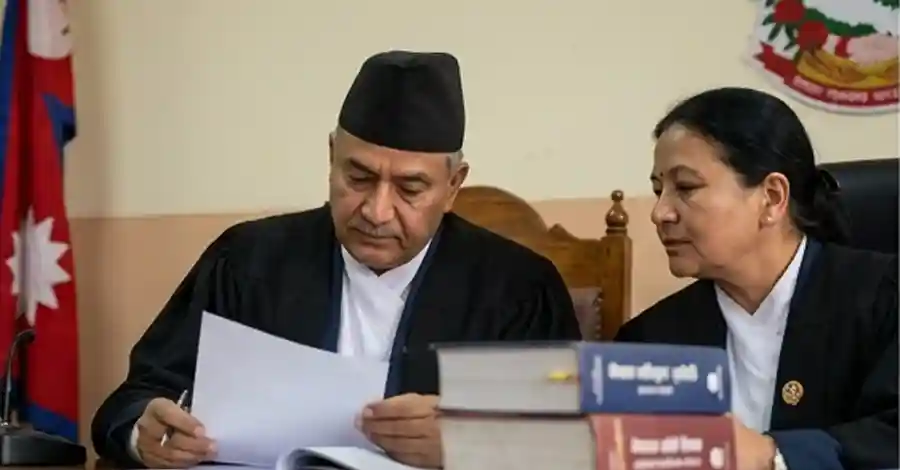
A bench of Justices Dr Nahakul Subedi and Shanti Singh Thapa, issuing the order in the name of Nepal Police Headquarters, ruled that handcuffs may be applied only after an objective, case-by-case assessment establishes one of the following:
- Flight risk — a genuine risk that the arrested person will attempt to escape custody.
- Violent behaviour — conduct by the individual that is aggressive or violent toward officers or others.
- Risk of self-harm or harm to others — a credible likelihood that the person could injure themselves or bystanders.
Outside these three circumstances, Supreme Court has directed that no one should be handcuffed while in police custody. Even where an exception applies, the bench ordered that police officers must maintain a written record justifying the decision to use restraints.
“Handcuffs may be used, with a record kept, only in situations where it becomes unavoidable for a police officer to effectively discharge the legal duty entrusted to them, after conducting an objective analysis of the risk involved.”
Why the Court Intervened
The Supreme Court found that the widespread practice of automatically handcuffing anyone the moment they are arrested does not align with the spirit of Nepal’s constitutional and legal framework. The bench specifically noted that treating every arrestee as a flight or violence risk, without individualized assessment, runs contrary to protections of personal liberty and dignity guaranteed under the Constitution.
An Interim Measure While the Case Proceeds
Importantly, the order is an interim measure. It will remain in effect until the underlying writ petition challenging arbitrary handcuffing is finally resolved, meaning police forces across the country must comply with the three-condition standard for now, regardless of how the final verdict eventually turns out.
How the Legal Challenge Began
The case traces back to a public interest writ petition filed on September 9, 2026 by three Nepal Law Campus students — Roshan Aujhi (also spelled Aauji), Bikash Yadav and Bibek Chaudhary — who argued that handcuffing people merely because they had been accused or arrested violates the constitutional rights to live with dignity, personal liberty, and the presumption of innocence, according to myRepublica. The petition named the Office of the Prime Minister and Council of Ministers, the Ministry of Home Affairs, Nepal Police Headquarters and the Press Council Nepal as defendants.
A day later, a single bench of Justice Meghraj Pokharel issued a show-cause order on September 10, 2026, directing the named government bodies to submit written responses within 15 days, as reported by Peoples’ Review. The Supreme Court also scheduled a separate hearing specifically to decide on the petitioners’ request for an interim order — a hearing that led directly to Sunday’s ruling.
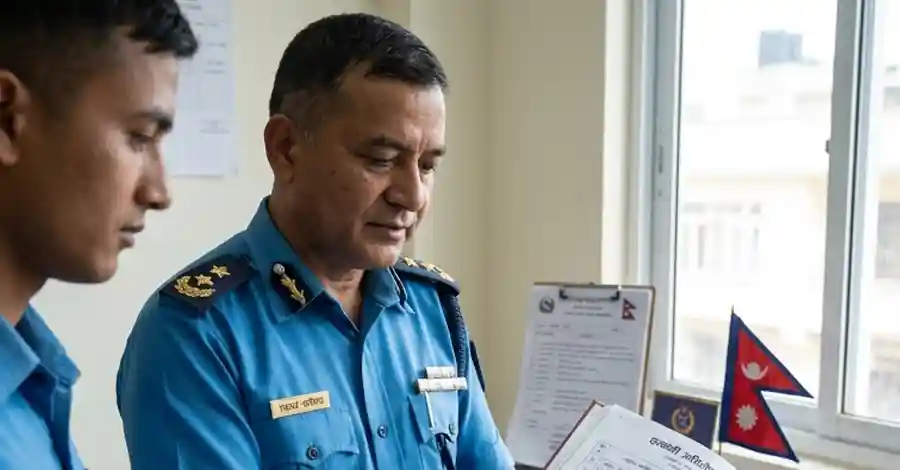
Beyond Handcuffs: A Broader Push for Dignity in Custody
The petitioners had also asked the Supreme Court to bar the public release of photographs and videos showing suspects in handcuffs, arguing that such images effectively brand people as criminals in the public eye before any Supreme Court has determined their guilt. They further sought stricter limits on handcuffing women, children, senior citizens, persons with disabilities and seriously ill individuals, and proposed that high-risk accused persons instead be managed through secure transport and additional security personnel rather than physical restraints, according to earlier myRepublica reporting on the petition.
The Legal Basis Police Had Relied On
Until now, Nepal Police have justified routine handcuffing by citing provisions in the Police Act, 2012 (2012 B.S.) and the National Criminal Procedure Code, 2017, which allow officers to use necessary force to prevent an arrested person from fleeing or resisting. In practice, however, this had translated into a blanket policy: officers would handcuff virtually everyone taken into custody and remove the restraints only once the person was produced before Supreme Court bench.
Nepal’s Constitution separately guarantees protections relevant to this case, including Article 21’s rights of the arrested and Article 22’s prohibition on physical or mental torture or cruel, inhuman or degrading treatment of anyone under arrest or detention, according to a review of Nepali policing law by Policing Law info, a global database on police use-of-force standards. Legal experts have long argued that indiscriminate handcuffing sits uneasily against these constitutional guarantees.
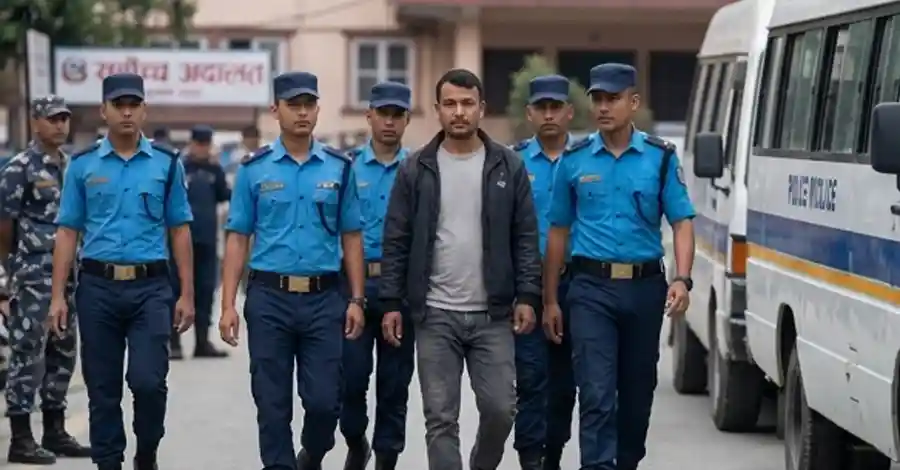
What Happens Next
With the interim order now in force, Nepal Police Headquarters and the other named government bodies are expected to issue internal directives aligning field practice with the court’s three-condition standard, while formally responding to the underlying writ petition. The Supreme Court has set October 5, 2026 as the date for a fuller hearing, where both sides will present arguments before the bench decides whether to make the restrictions permanent, according to reporting from Ratopati.
For ordinary Nepalis, the immediate effect is straightforward: unless police can point to a specific, documented risk of escape, violence or self-harm, an arrested person should no longer be automatically handcuffed. Rights advocates have welcomed the order as a step toward aligning everyday policing practice with the presumption of innocence and the constitutional right to be treated with dignity while in custody.
This is a developing legal story and will be updated as the Supreme Court moves toward its October 5 hearing.

Economic Affair
- Budhigandaki Flood: 47 Rescued as Bridges Washed Away
- Nepal Supreme Court Handcuff Order: Police Barred From Routine Use
- 250+ Officials Deploy to Assess Rasuwa-Bhotekoshi Flood Damage
- Electricity VAT: Energy and Finance Ministers Strike Landmark Deal After Just 2 Months
- Nepal Inflation Shockingly Triples to 5.96% — Food and Transport Hit Hardest


Comments