









Nepal Rastra Bank (NRB) has launched a landmark regulatory initiative—the Domestic Systemically Important Banks (D-SIB) Framework 2025—designed to strengthen oversight of Nepal’s largest commercial banks and prevent potential financial system collapse. This transformative policy, aligned with international Basel Committee standards, aims to ensure that major banks remain resilient enough to weather economic storms without triggering nationwide financial crises.
The framework, officially announced in November 2025, represents Nepal’s commitment to adopting global best practices in banking supervision while addressing unique domestic financial challenges. With 20 commercial banks currently operating nationwide, this regulation will identify and impose stricter requirements on those deemed “too big to fail.”
Understanding the D-SIB Framework – What Makes Banks Systemically Important?
The “Too Big to Fail” Doctrine
The framework’s fundamental principle centers on preventing scenarios where any single bank becomes so critical to the financial system that its failure would trigger cascading disruptions across the entire economy. This concept, widely recognized after the 2008 global financial crisis, acknowledges that certain financial institutions pose systemic risks that extend far beyond their own balance sheets.
NRB spokesperson and Executive Director Guru Prasad Poudel emphasized the framework’s importance: “The primary objective of the D-SIB Framework is to ensure that large banks within our country do not collapse for any reason. This is a tested practice that has been successfully implemented in developed countries including India and America.”
International Standards and Nepal’s Adaptation
The framework aligns with Basel Committee on Banking Supervision (BCBS) standards developed following the 2008 financial crisis, which established methodologies for identifying and regulating globally and domestically systemically important banks. While global systemically important banks (G-SIBs) face international scrutiny, Nepal’s D-SIB framework focuses exclusively on domestic banking stability.
The Basel Committee on Banking Supervision has provided comprehensive guidelines that central banks worldwide use to identify and regulate systemically important institutions. Nepal’s framework adapts these international principles to local market conditions while maintaining core regulatory objectives.
Four Critical Indicators for Bank Selection
Comprehensive Assessment Methodology
Nepal Rastra Bank has established four primary indicators to identify systemically important banks, each carrying specific weightage in the assessment process:
1. Size (40% Weightage) The bank’s total assets serve as the most significant indicator, reflecting its overall footprint in the financial system. Larger banks with extensive asset bases have proportionally greater impact on financial stability. This metric considers:
- Total balance sheet size
- Market capitalization
- Deposit base
- Loan portfolio volume
2. Interconnectedness (30% Weightage) This indicator measures how deeply a bank is woven into the broader financial fabric through:
- Interbank lending and borrowing relationships
- Payment system participation
- Financial market infrastructure dependencies
- Correspondent banking networks
- Wholesale funding relationships
Banks with high interconnectedness pose greater contagion risk because their distress can rapidly spread to other financial institutions.
3. Substitutability (15% Weightage) Substitutability assesses how easily a bank’s services can be replaced if it fails:
- Unique product offerings
- Market dominance in specific segments
- Critical infrastructure management
- Specialized financial services
- Regional monopolies or near-monopolies
Banks providing services that cannot be quickly replicated by competitors score higher on this dimension.
4. Complexity (15% Weightage) Complex banks present greater supervisory and resolution challenges:
- Trading and derivatives activities
- Cross-border operations
- Diverse business lines
- Organizational structure complexity
- Off-balance sheet exposures
These indicators collectively create a systemic score that determines whether a bank qualifies as systemically important and what level of additional oversight it requires.
Higher Loss Absorbency Requirements – Enhanced Capital Buffers
Progressive Capital Add-Ons
Based on their systemic scores, identified D-SIBs will face Higher Loss Absorbency (HLA) capital requirements ranging from 0.20% to 1.0% above standard capital minimums. This graduated approach ensures that the most systemically important institutions maintain the strongest capital cushions.
The HLA requirements will be implemented in addition to existing Basel III capital requirements, which include:
- Minimum Common Equity Tier 1 (CET1) ratio
- Capital conservation buffer
- Countercyclical buffer (when applicable)
- Leverage ratio requirements
Implementation Timeline and Transition Period
Key Implementation Dates:
- 2025: Framework published and methodology finalized
- 2027: First official D-SIB designation
- 2027 onwards: HLA capital requirements become effective
This two-year preparation period allows banks adequate time to strengthen their capital positions, adjust business strategies, and implement enhanced risk management systems. The phased approach minimizes market disruption while maintaining regulatory momentum.
As of mid-October 2025, Nepal’s 20 commercial banks maintain 5,101 branches nationwide, with several banks achieving paid-up capital exceeding NPR 30 billion through strategic mergers, positioning them well to meet potential D-SIB requirements.
Financial Stability and Systemic Risk Reduction
Contagion Risk Management
The framework specifically targets contagion risk—the phenomenon where problems at one institution rapidly spread throughout the financial system. Executive Director Poudel explained: “Within Nepal’s banking sector, we must view large banks with particular scrutiny. If even one institution experiences problems, the impact reverberates throughout the entire financial system and can destabilize the nation’s economy.”
The Nepal Rastra Bank has emphasized strengthening oversight of Systemically Important Banks through new regulatory frameworks as part of its 2025/26 monetary policy, signaling commitment to robust risk management culture.
Preventing Moral Hazard
Beyond stability concerns, the D-SIB framework addresses moral hazard—the risk that institutions deemed “too big to fail” might take excessive risks, believing they’ll receive government bailouts during crises. By imposing stricter capital and supervisory requirements, the framework:
- Discourages excessive risk-taking
- Ensures banks internalize costs of their systemic importance
- Creates incentives to reduce systemic footprint
- Establishes clear supervisory expectations
- Promotes responsible growth strategies
Enhanced Supervisory Requirements Beyond Capital
Comprehensive Regulatory Oversight
D-SIB designation triggers additional supervisory measures beyond capital requirements:
1. Enhanced Reporting and Disclosure Systemically important banks must provide:
- More frequent financial reporting
- Granular risk exposure data
- Forward-looking stress test scenarios
- Recovery and resolution planning
- Detailed governance disclosures
2. Intensive Supervision NRB will conduct:
- More frequent on-site examinations
- Continuous monitoring of key risk indicators
- Regular stress testing exercises
- Governance and risk management assessments
- Review of business strategy sustainability
3. Resolution Planning D-SIBs must develop comprehensive “living wills” that outline:
- Critical functions identification
- Resolution strategies during distress
- Continuity of essential services
- Cross-border coordination mechanisms
- Creditor hierarchy and bail-in procedures
4. Risk Management Standards Enhanced expectations for:
- Board and senior management expertise
- Independent risk management function
- Comprehensive internal controls
- Robust internal audit
- Effective compliance programs
Global Context and International Precedents
Lessons from the 2008 Financial Crisis
The global systemically important bank framework emerged from the 2008 financial crisis, which demonstrated that failure of large, interconnected financial institutions could trigger worldwide economic disruption. Countries worldwide subsequently adopted frameworks to identify and regulate their most critical banks.
International Implementation Examples:
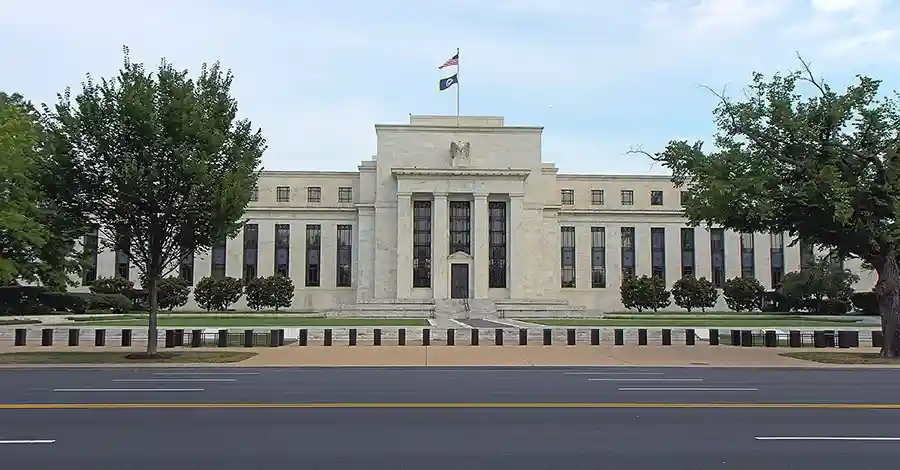
United States The Federal Reserve designates banks with over $100 billion in assets as subject to enhanced prudential standards, with the most stringent requirements for G-SIBs. Following 2023 bank failures, regulators proposed extending comprehensive requirements to more institutions.
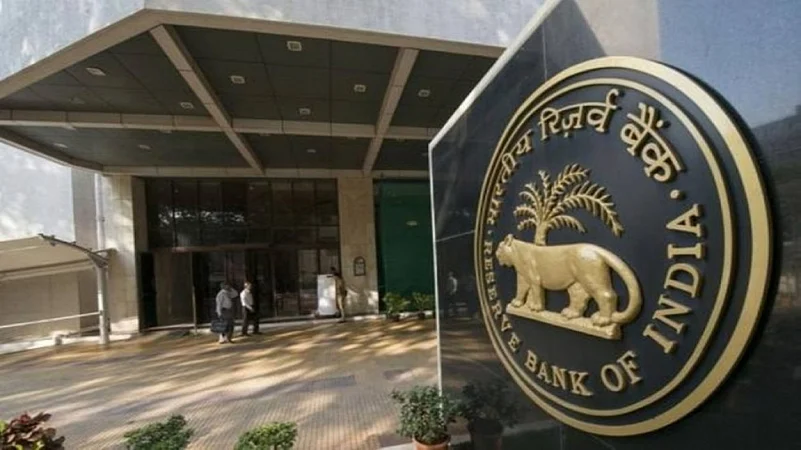
India The State Bank of Pakistan identifies D-SIBs annually with additional Common Equity Tier-1 capital requirements and enhanced supervisory requirements. India’s framework has successfully stabilized its banking sector through multiple economic cycles.
European Union EU member states implement both G-SIB and D-SIB frameworks, with additional requirements coordinated through the European Banking Authority to ensure consistent application across the single market.
Nepal’s Strategic Position
Nepal’s adoption of the D-SIB framework demonstrates regulatory maturity and commitment to international financial standards. The International Monetary Fund, which recently completed its sixth Extended Credit Facility review for Nepal, has emphasized the need for vigilance in addressing rising financial sector vulnerabilities.
Learn more about global banking standards through the Bank for International Settlements.
Impact on Nepal’s Banking Sector
Current Banking Landscape
Nepal’s banking sector underwent significant consolidation following NRB’s 2015 directive raising minimum paid-up capital from NPR 2 billion to NPR 8 billion, reducing commercial banks from 28 to 20. This consolidation created larger, more stable institutions—some of which will likely qualify as D-SIBs.
Major Commercial Banks (Potential D-SIB Candidates): Several Nepali banks have emerged as sector leaders through organic growth and strategic mergers:
- Banks with paid-up capital exceeding NPR 30 billion
- Institutions with extensive branch networks (200+ branches)
- Banks with dominant market shares in specific segments
- Financial institutions with significant interbank exposures
Competitive Implications
D-SIB designation creates both challenges and opportunities:
Challenges:
- Higher capital costs reducing return on equity
- Additional compliance and reporting expenses
- More intensive regulatory scrutiny
- Potential constraints on business expansion
- Need for sophisticated risk management systems
Opportunities:
- Enhanced reputation and market confidence
- “Safety premium” attracting risk-averse depositors
- Competitive advantage in wholesale funding markets
- Stronger crisis resilience
- Better positioning for international partnerships
Preparing for Implementation
Bank Strategic Responses
Financial institutions preparing for potential D-SIB designation should:
1. Capital Planning
- Assess current capital adequacy against potential requirements
- Evaluate capital generation capacity through retained earnings
- Consider strategic options (equity issuance, dividend policies)
- Optimize capital allocation across business lines
2. Risk Management Enhancement
- Strengthen enterprise risk management frameworks
- Enhance data and reporting capabilities
- Improve stress testing methodologies
- Develop comprehensive risk appetite frameworks
3. Business Model Review
- Evaluate activities contributing to systemic importance
- Consider strategic divestitures of high-risk, low-return businesses
- Simplify organizational structures
- Reduce interconnectedness where feasible
4. Governance Strengthening
- Enhance board expertise and independence
- Improve management information systems
- Strengthen internal control environments
- Develop robust succession planning
Broader Financial Stability Initiatives
Complementary Regulatory Measures
The D-SIB framework operates alongside other NRB financial stability initiatives:
1. Macroprudential Policy
- Countercyclical capital buffers
- Sectoral lending restrictions
- Loan-to-value limits on real estate financing
- Debt service-to-income requirements
2. Stress Testing Program NRB conducts regular system-wide stress tests examining:
- Credit risk under adverse scenarios
- Interest rate shocks
- Liquidity stress situations
- Macroeconomic downturn impacts
3. Crisis Management Framework Enhanced arrangements for:
- Early intervention mechanisms
- Bank resolution procedures
- Deposit insurance strengthening
- Financial safety net coordination
4. Payment System Oversight Nepal Rastra Bank introduced a framework for identifying Systemically Important Payment Systems, strengthening oversight of critical payment infrastructure.
International Cooperation
Nepal’s adoption of international standards facilitates:
- Cross-border supervisory cooperation
- Information sharing with foreign regulators
- Participation in international forums
- Access to technical assistance
- Enhanced credibility with international investors
The Nepal Rastra Bank regularly engages with regional and international financial organizations to ensure its regulatory frameworks remain current.
Looking Ahead – Future Developments
Evolution of the Framework
The D-SIB framework will likely evolve based on:
- Implementation experience and lessons learned
- Changes in international standards
- Domestic banking sector developments
- Emerging risks (cyber, climate, fintech)
- Feedback from industry stakeholders
Potential Future Enhancements
Short-term (1-3 years):
- Refinement of selection methodology
- Development of supervisory templates
- Enhanced market disclosure requirements
- Stress testing integration
- Recovery planning guidelines
Medium-term (3-5 years):
- Resolution regime strengthening
- Cross-border coordination mechanisms
- Climate risk integration
- Fintech considerations
- Cyber resilience standards
Long-term (5+ years):
- Potential regional coordination
- Advanced analytics integration
- Machine learning applications for supervision
- Real-time monitoring capabilities
- Dynamic capital requirements
Implications for Financial Market Participants
Investors and Depositors
The D-SIB framework provides important signals:
For Retail Depositors:
- Enhanced confidence in systemically important banks
- Better informed deposit allocation decisions
- Clearer understanding of institutional strength
- Reduced systemic risk exposure
For Institutional Investors:
- More transparent risk profiles
- Enhanced regulatory certainty
- Better comparison frameworks
- Improved credit assessment capabilities
For Shareholders:
- Impact on dividend policies during transition
- Potential need for capital raises
- Strategic direction implications
- Long-term value considerations
Other Stakeholders
Government:
- Reduced fiscal risk from potential bailouts
- Enhanced financial sector stability
- Stronger economic growth foundation
- International credibility improvement
Businesses:
- More reliable credit availability
- Stable payment systems
- Reduced systemic disruption risk
- Better planning environment
International Partners:
- Enhanced confidence in Nepal’s financial system
- Improved bilateral cooperation opportunities
- Reduced cross-border contagion risk
- Stronger trade finance facilitation
Conclusion: Strengthening Nepal’s Financial Foundation
The D-SIB Framework 2025 represents a watershed moment for Nepal’s banking regulation, bringing the country’s financial oversight in line with international best practices while addressing domestic stability concerns. By identifying and imposing enhanced requirements on systemically important banks, Nepal Rastra Bank is proactively building resilience into the financial system.
The framework’s implementation through 2027 provides adequate transition time while maintaining regulatory momentum. Banks identified as systemically important will face higher capital requirements and intensive supervision, but will also benefit from enhanced market confidence and reduced funding costs.
For Nepal’s financial sector, this initiative signals regulatory sophistication and commitment to stability—essential prerequisites for sustainable economic growth and financial sector development. As the framework evolves through implementation experience, it will likely become a cornerstone of Nepal’s financial stability architecture.

Economic Affair
- Budhigandaki Flood: 47 Rescued as Bridges Washed Away
- Nepal Supreme Court Handcuff Order: Police Barred From Routine Use
- 250+ Officials Deploy to Assess Rasuwa-Bhotekoshi Flood Damage
- Electricity VAT: Energy and Finance Ministers Strike Landmark Deal After Just 2 Months
- Nepal Inflation Shockingly Triples to 5.96% — Food and Transport Hit Hardest





Comments