



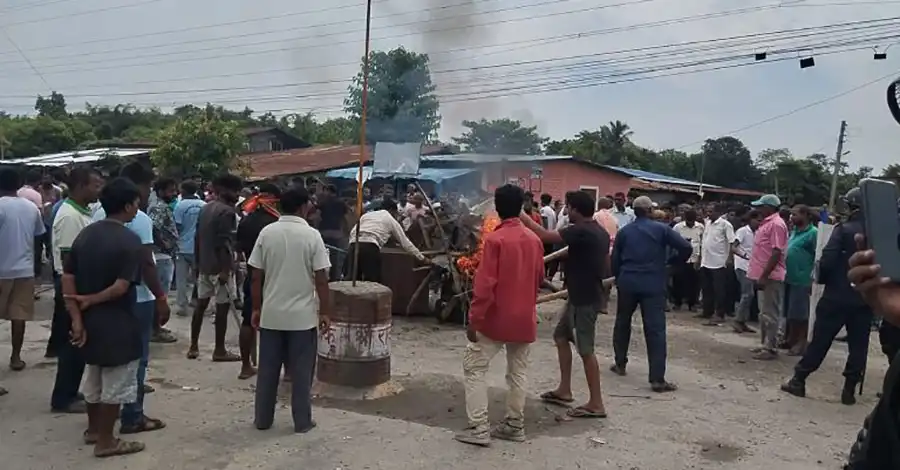
In a significant decision, the Government of Nepal has officially declared four people who lost their lives during recent unrest in Sunsari and Siraha districts as martyrs. The announcement, made following Tuesday’s Cabinet meeting, brings a measure of recognition to families who have been demanding justice and formal honor for their loved ones since the deadly incidents unfolded.
Nepal Government Cabinet Meeting Confirms the Decision
Nepal Government Spokesperson Sasmit Pokharel confirmed that the Council of Ministers meeting held on Tuesday approved the martyr declaration. According to Pokharel, the Cabinet’s decision covers three individuals who died in Sunsari and one person who lost his life in Siraha, formally acknowledging their deaths as connected to the unrest that gripped the two districts in recent weeks.
Who Were the Victims
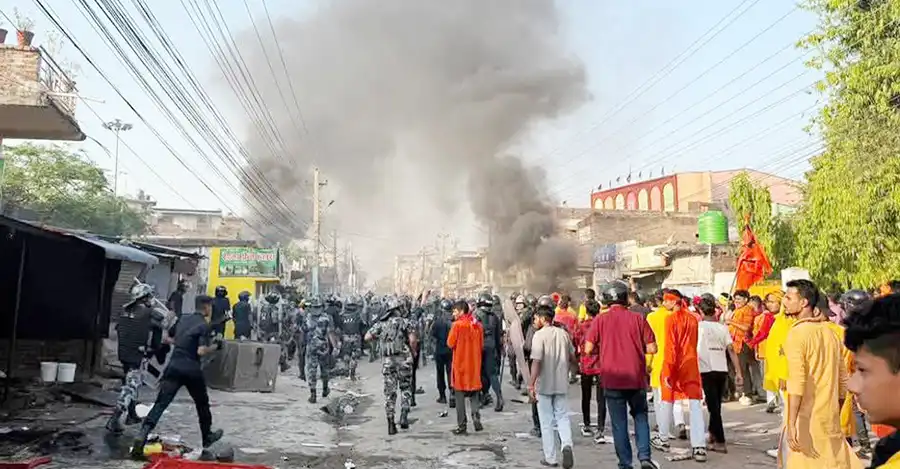
The four individuals declared martyrs are Om Prakash Mehta, Jay Prakash Mehta, and Ravindra Mehta, all of whom died in Sunsari, along with Ganesh Yadav, who was killed in Siraha. Om Prakash Mehta and Jay Prakash Mehta were reportedly killed during a clash in Kaptanganj area of Dewanganj Rural Municipality in Sunsari, an incident that triggered days of protest and unrest across the eastern Tarai region.
Background: Unrest in Sunsari and Siraha
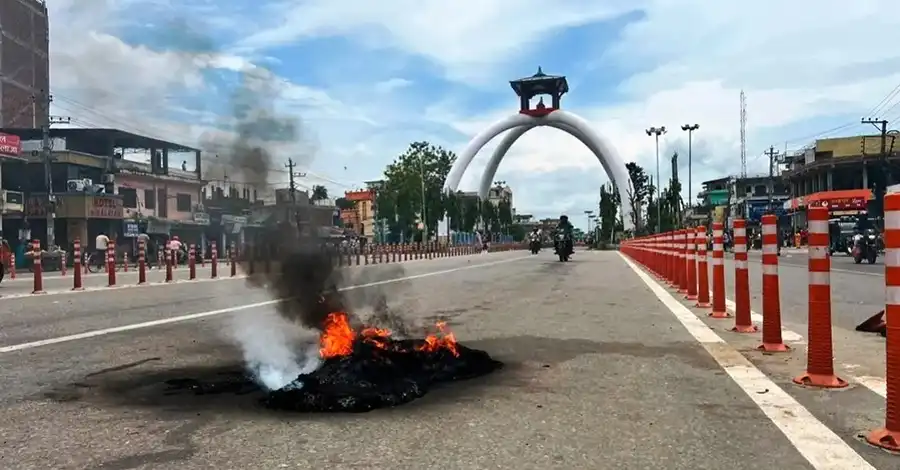
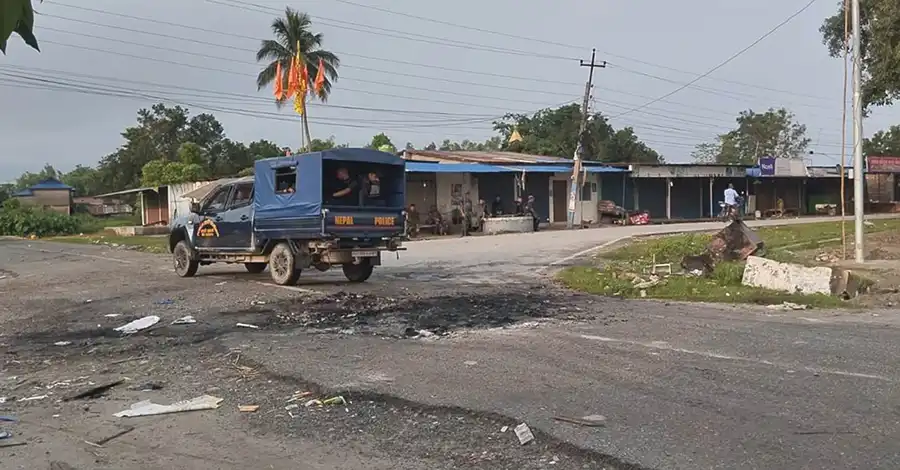
The unrest in Sunsari began in late July, when tensions in Dewanganj Rural Municipality escalated into violence, resulting in multiple deaths and a wave of protests. Authorities subsequently imposed curfew orders across Sunsari, Saptari, Siraha, and Dhanusha, while a prohibitory order was enforced in Parsa as the unrest spread beyond Sunsari into neighboring districts. Security forces, including Nepal Police, the Armed Police Force, and the Nepali Army, were deployed in large numbers to bring the situation under control.
Following the violence, Nepal government representatives visited the affected areas to hold talks with bereaved families. As part of an earlier agreement reached with the families of the Sunsari victims, the government had already committed to beginning the formal process of declaring the deceased as martyrs, along with providing financial relief, employment support for one family member, and a pledge to conduct an impartial investigation into the incident.
Compensation and Relief Package
Alongside the martyr declaration, the government has separately approved a broader relief package for families affected by the Sunsari and Siraha unrest. This includes compensation for the families of the deceased and a commitment to cover the full cost of treatment for those injured during the protests. Officials say more than a dozen people sustained injuries during the unrest, and Nepal government’s relief measures are intended to ease the financial burden on affected households.
Why the Martyr Declaration Matters
In Nepal, formal martyr status carries significant symbolic and practical weight. Families of those declared martyrs typically become eligible for state honors, financial compensation, and in many cases, Nepal government employment opportunities for a family member. The declaration also represents a form of official acknowledgment that the deaths were connected to a broader political or social movement, rather than being treated as isolated incidents.
For the families of Om Prakash Mehta, Jay Prakash Mehta, Ravindra Mehta, and Ganesh Yadav, Tuesday’s Cabinet decision marks the fulfillment of a long-standing demand raised in the aftermath of the violence. It also signals Nepal government’s intent to formally close one chapter of the unrest while investigations into the underlying causes and accountability continue.
What Comes Next
While the martyr declaration addresses one major demand from the victims’ families, questions remain about the pace and outcome of the promised investigations into the Sunsari and Siraha incidents. Families and civil society groups are expected to continue monitoring whether the government follows through on its commitments, including legal action against those found responsible and the broader relief package for injured victims.
The Cabinet’s decision is likely to be seen as a step toward de-escalating tensions in the affected districts, even as broader questions about accountability and long-term reconciliation remain unresolved.
For more background on the unrest and government response, see reporting from The Kathmandu Post and Republica.

Economic Affair
- Budhigandaki Flood: 47 Rescued as Bridges Washed Away
- Nepal Supreme Court Handcuff Order: Police Barred From Routine Use
- 250+ Officials Deploy to Assess Rasuwa-Bhotekoshi Flood Damage
- Electricity VAT: Energy and Finance Ministers Strike Landmark Deal After Just 2 Months
- Nepal Inflation Shockingly Triples to 5.96% — Food and Transport Hit Hardest



Comments