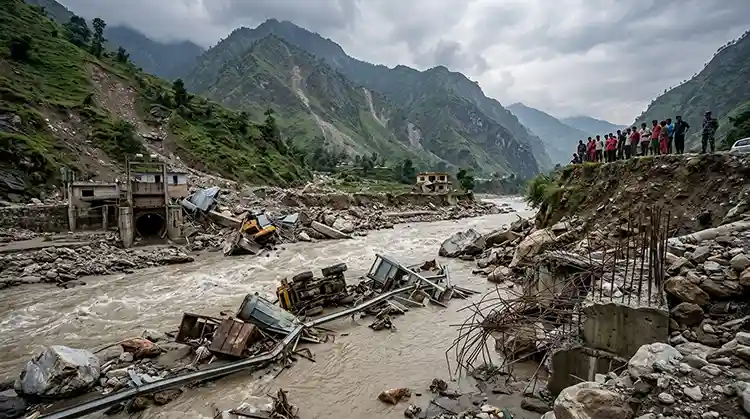




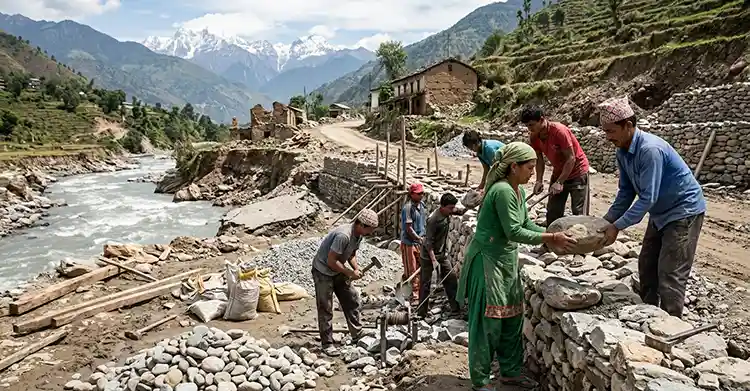
Kathmandu — Economic and political analyst Arun Kumar Subedi has issued a sharp warning to the Nepal government: don’t turn the Rasuwa flood reconstruction effort into another round of international begging. Speaking to News Agency Nepal, Subedi said the country has the internal capacity, policy tools, and private-sector energy to rebuild without leaning entirely on foreign donors.
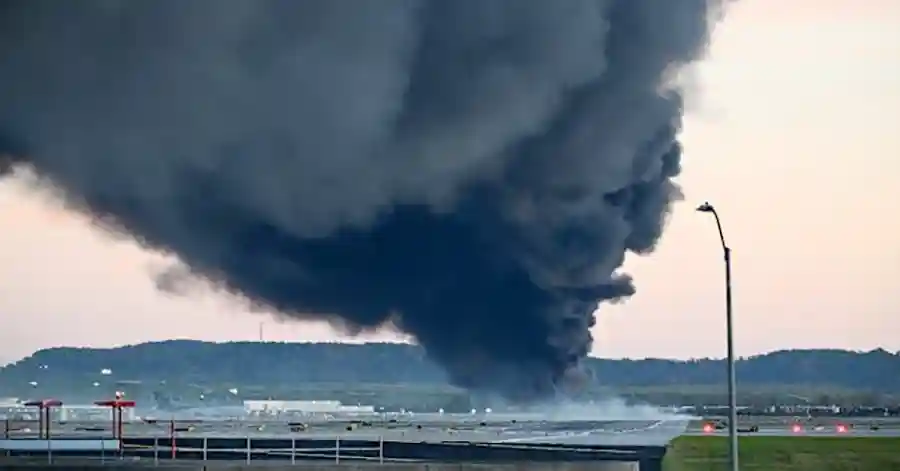
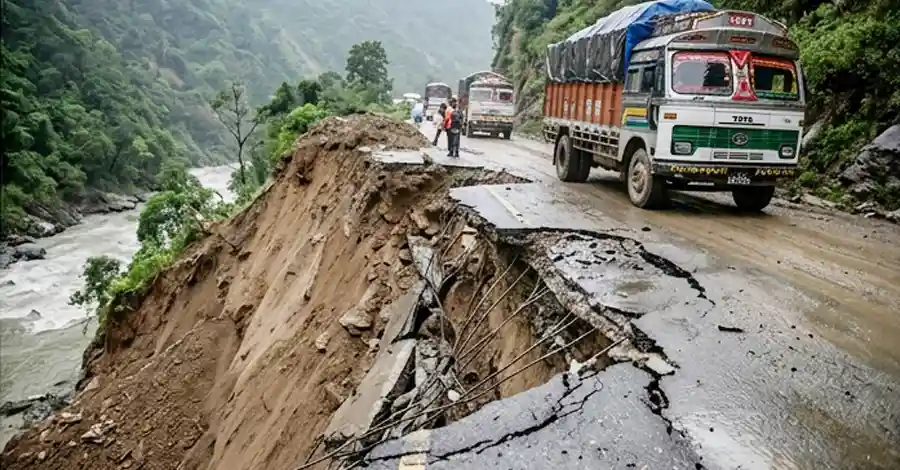
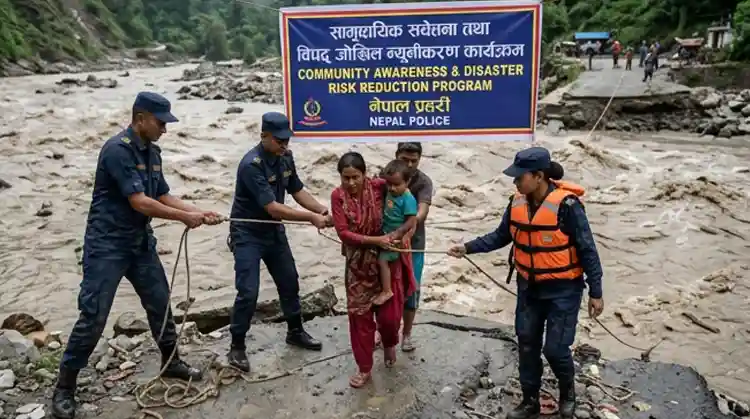
His comments come as Nepal grapples with one of its costliest natural disasters in recent memory, with damage estimates running into billions of dollars across Rasuwa, Nuwakot, Dhading, Gorkha, and Chitwan districts.
Why Self-Reliance Matters in Nepal’s Flood Recovery
Subedi’s central argument is simple but pointed: Nepal has repeatedly turned into what he calls a “beggar nation” during past reconstruction drives, chasing external funds instead of building domestic capacity. He wants this cycle broken.
“I can already see the risk of us turning into beggars again for this reconstruction. I request that we not repeat what past governments did. We can build most of what’s needed right now using our own internal resources,” Subedi said. He added that external funds should only be sought when policy needs genuinely demand it — not as a default first move.
The Hidden Cost of World Bank, IMF and ADB Loans
A key part of Subedi’s caution centers on multilateral lending conditions. He argued that institutions such as the World Bank, the International Monetary Fund (IMF), and the Asian Development Bank (ADB) often attach environmental and policy strings to reconstruction financing, and the government should proceed carefully.
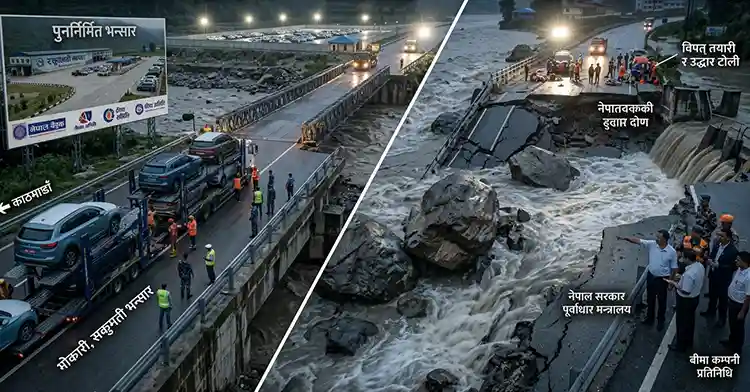
This concern isn’t hypothetical. Following the 2026 Rasuwa-Bhotekoshi floods, the ADB already moved with an emergency grant, and the World Bank has offered further support alongside contributions from India, China, and the United States. According to a government-led Rapid Damage and Needs Assessment, Nepal’s total recovery and reconstruction needs are estimated at nearly USD 4.7 billion, with physical damage alone pegged around USD 1.81 billion.
Subedi’s worry is that as these numbers climb, so will the temptation to accept financing packages with terms that may not serve Nepal’s long-term national interest — particularly around environmental and water-resource policy.
Private Sector Could Lead the Rebuild, Says Subedi
Rather than relying solely on state or foreign capital, Subedi believes Nepal’s private and corporate sector can drive much of the recovery — if the government creates the right enabling environment.
He suggested that:
- Corporate losses from the floods can largely be recovered by the private sector itself, provided the government introduces supportive policies.
- International non-governmental donor organizations remain a viable channel for managing damage to private property, separate from multilateral government-to-government loans.
- A liberal, investment-friendly domestic climate could allow private capital to fund resettlement for flood-displaced citizens within five to seven years, driven largely by their own labor and enterprise.
 Water Resources and Disaster Management as National Priorities
Beyond financing, Subedi urged the government to treat flood-induced disaster management and the national ownership of water resources as top priorities in the rebuilding process. He specifically flagged the international climate justice debate, arguing Nepal should keep its immediate national interests and water-resource management front and center rather than getting absorbed into broader global negotiations that may not translate into concrete domestic benefit.
This point echoes a wider conversation now unfolding internationally. Climate policy commentators have noted that Nepal contributes only a fraction of a percent to global carbon emissions, yet bears an outsized share of climate-linked disaster costs — a tension that fuels ongoing debate over loss-and-damage financing and who should ultimately pay for recovery.
What Comes Next for Nepal’s Reconstruction Plan
With damage assessments still being finalized and international offers of support arriving from multiple directions, Subedi’s message adds a distinct voice to the debate: build fast, build smart, and build with Nepali resources first. Whether the government heeds that advice — or leans into external financing as reconstruction costs mount — will shape not just how quickly Rasuwa recovers, but what economic and environmental commitments Nepal takes on for years to come.
Related Reading

Economic Affair
- Budhigandaki Flood: 47 Rescued as Bridges Washed Away
- Nepal Supreme Court Handcuff Order: Police Barred From Routine Use
- 250+ Officials Deploy to Assess Rasuwa-Bhotekoshi Flood Damage
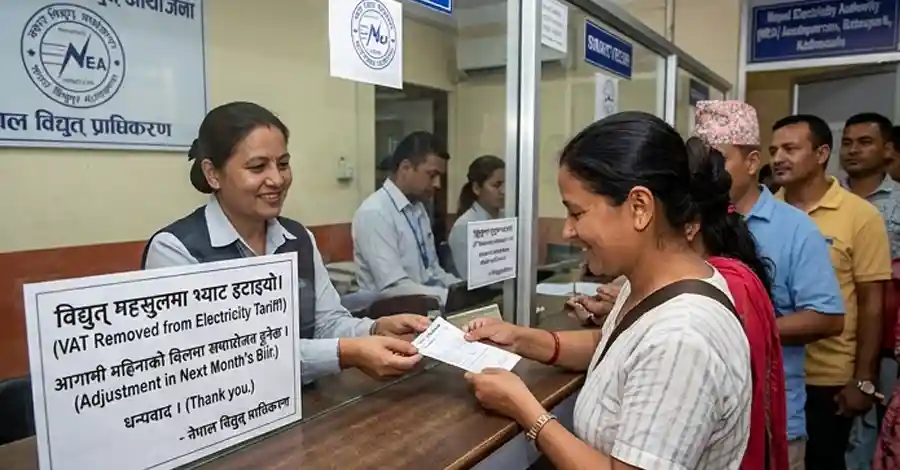
- Electricity VAT: Energy and Finance Ministers Strike Landmark Deal After Just 2 Months
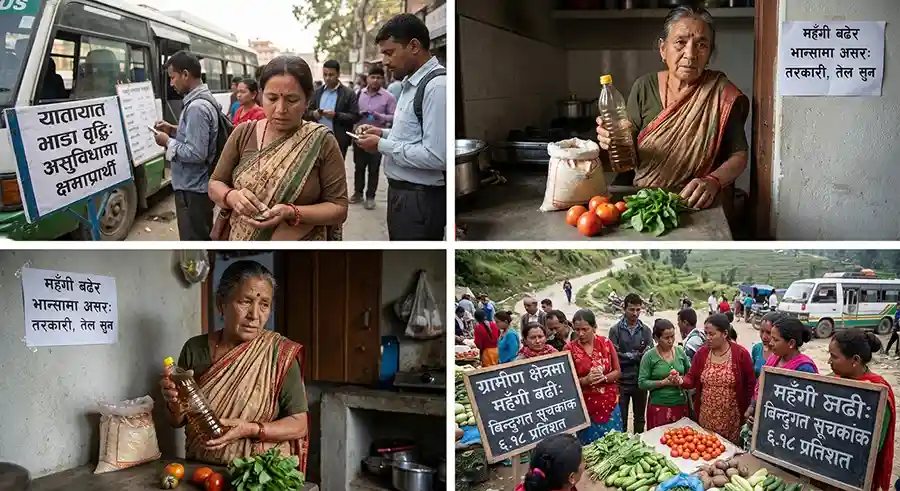
- Nepal Inflation Shockingly Triples to 5.96% — Food and Transport Hit Hardest


Comments