









A US Navy helicopter opened fire on a cargo vessel this week after it allegedly tried to slip past Washington’s naval blockade of Iran, marking the third ship disabled since the blockade resumed in mid-July, according to US Central Command (CENTCOM).
What Happened to the Vela Nova Cargo Ship
CENTCOM said an MH-60 helicopter launched two Hellfire missiles into the engine and steering compartment of the Panama-flagged container ship M/V Vela Nova as it sailed through the Gulf of Oman toward an Iranian port. According to the US military, the crew ignored repeated radio warnings before the strike disabled the vessel.
The 1997-built ship, roughly 475 feet long, is registered in Panama and managed by Golden Valley Marine INV, with Sino Hellenic Ships Management listed as its technical operator. No injuries were reported, and the vessel remained afloat after being disabled rather than sunk.
Unlike earlier incidents involving oil tankers, the Vela Nova strike stood out because it targeted a general cargo/container ship well outside the narrow Strait of Hormuz itself, showing that US enforcement now stretches deep into the wider Gulf of Oman.

Why the US Strait of Hormuz Blockade Exists
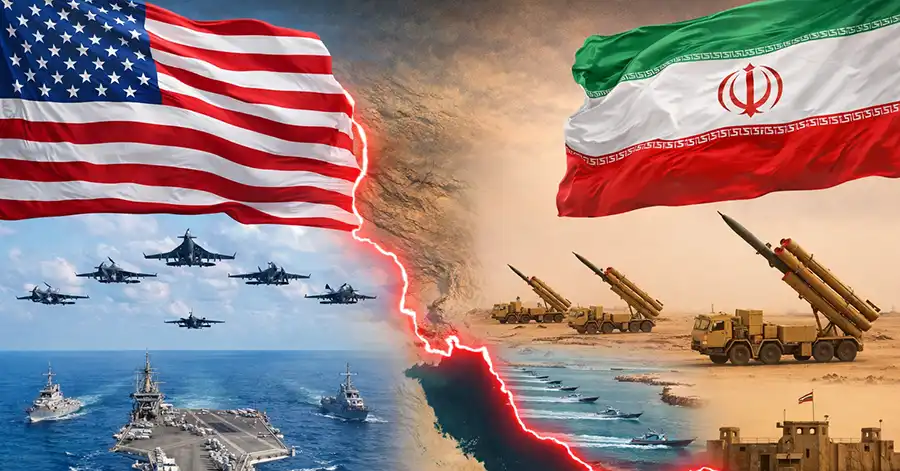
The Strait of Hormuz, through which roughly a fifth of the world’s seaborne oil and gas normally passes, has been at the center of the conflict since the United States and Israel launched surprise airstrikes on Iran on February 28, 2026, killing several senior Iranian officials and triggering a wider regional war.
Iran responded by effectively shutting the strait to shipping and warning vessels away from its waters. After a ceasefire attempt collapsed, the US reimposed a naval blockade on Iranian ports on July 13, aiming to cut off Tehran’s oil exports and force it back to the negotiating table.
The Numbers Behind the Standoff
Since the blockade restarted in July, CENTCOM says US forces have:
- Redirected 55 commercial vessels attempting to reach Iranian ports
- Disabled three ships, including the Vela Nova
- Boarded two additional vessels to enforce compliance
An earlier phase of the blockade, running from April 13 to late May, reportedly disabled nine cargo ships and redirected more than 140 vessels, underlining how sustained the campaign against Iranian shipping has become.
Iran’s Position on Reopening the Strait
Tehran has tied any reopening of the Strait of Hormuz to Washington lifting its blockade first. Iranian officials, including Foreign Minister Abbas Araghchi and Supreme National Security Council Secretary Mohsen Rezaei, have said talks cannot resume while the US continues what they call violations of a June memorandum of understanding, and have demanded compensation and the release of frozen Iranian assets before negotiations restart.
Trump’s “Open” Claim Versus Shipping Data
President Donald Trump has repeatedly insisted the Strait of Hormuz is now “open” and under US control, saying the Navy has cleared it of mines. However, independent shipping-tracking data tells a different story: traffic through the strait had fallen to just a handful of vessels a day by early August, according to maritime monitoring firms cited by international outlets.
The mismatch between the White House’s messaging and real-world shipping traffic has kept global oil markets on edge, with US energy forecasters expecting transit through Hormuz to stay constrained through August and pushing up projections for Brent crude prices.
What Comes Next
With diplomacy stalled and Iran hardening its conditions, further confrontations at sea look likely. Attacks tied to Yemen’s Houthi movement in the nearby Bab al-Mandeb Strait have added a second flashpoint to the region’s shipping lanes, compounding pressure on global energy supply chains already strained by the six-month-old conflict.
For now, CENTCOM says its forces remain on high alert to intercept any vessel attempting to breach the blockade, signaling that incidents like the Vela Nova strike are likely to recur as long as the standoff over the Strait of Hormuz continues.
Sources: US Central Command statements; reporting from CNN, Al Jazeera, ABC News, The Hill, and gCaptain.
Read more coverage from Al Jazeera

Economic Affair
- Budhigandaki Flood: 47 Rescued as Bridges Washed Away
- Nepal Supreme Court Handcuff Order: Police Barred From Routine Use
- 250+ Officials Deploy to Assess Rasuwa-Bhotekoshi Flood Damage
- Electricity VAT: Energy and Finance Ministers Strike Landmark Deal After Just 2 Months
- Nepal Inflation Shockingly Triples to 5.96% — Food and Transport Hit Hardest




Comments