


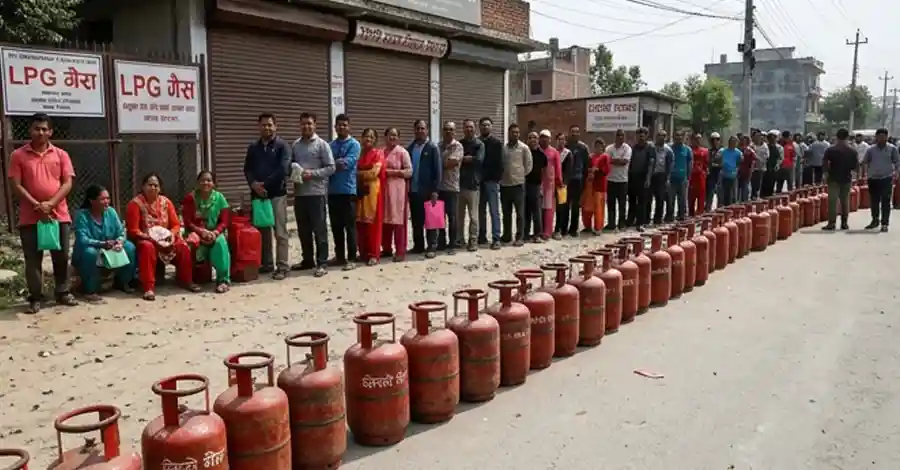
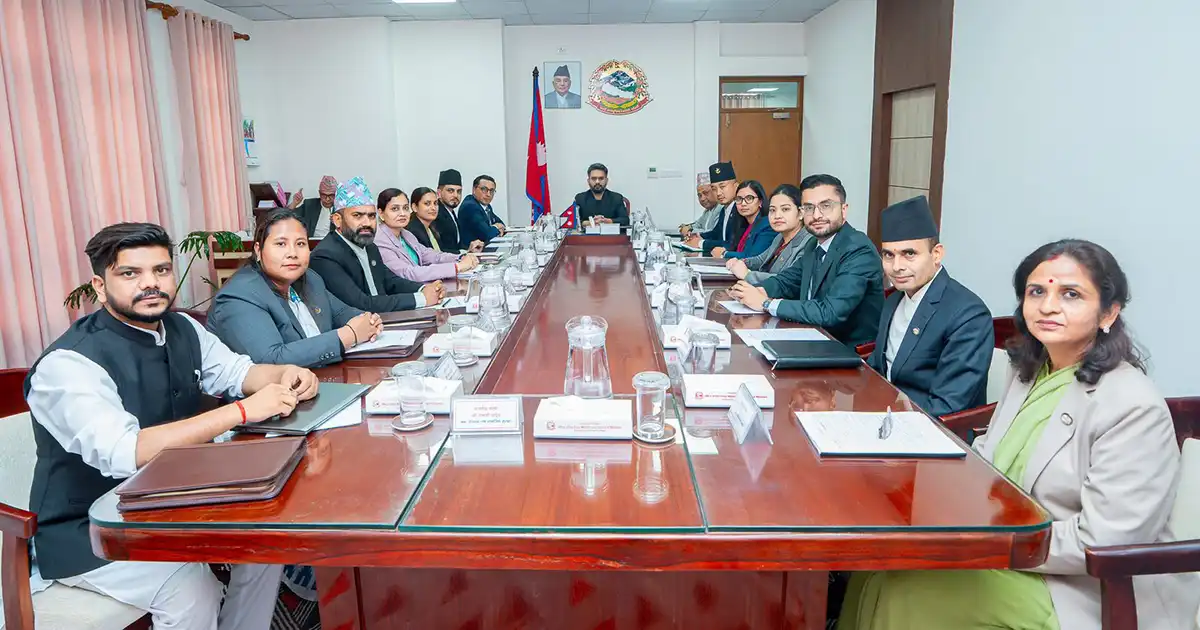
Nepal’s newly appointed Industry, Commerce and Supplies Minister, Deepak Kumar Sah, says relief from the country’s crippling LPG gas shortage is just days away. Speaking to reporters in Kathmandu on Tuesday, Sah confirmed that arrangements have been finalized to bring in 160 LPG gas bullets a day from India within two to three days, a move he says will finally ease the long queues and empty-cylinder waits that have frustrated households across the Kathmandu Valley for weeks.
Minister’s Pledge: 160 Bullets a Day Within Days
Addressing journalists on Tuesday afternoon, Minister Sah said the government had “completely arranged” the logistics to import cooking gas at the rate of 160 bullets daily in the coming days. He assured the public that once this volume reaches the market, consumer demand for LPG would be “easily met.”
“All the necessary arrangements have been made to bring in gas continuously at the rate of 160 bullets for the next several days,” Sah told reporters. “We are confident that once this quantity reaches the market, consumer demand will be comfortably fulfilled.”
For consumers who have spent hours in line at gas depots with empty cylinders, the announcement offers a concrete timeline for the first time in weeks.
A New Minister Under Pressure to Deliver
Sah’s assurance comes just days after he took charge of the Ministry of Industry, Commerce and Supplies. His predecessor, Gauri Kumari Yadav, resigned from the post on September 10, 2026, after facing sustained criticism for failing to resolve the gas crisis. Yadav had served as minister since April 10, 2026, before mounting public pressure over the shortage forced her exit.
Sah, an engineer by profession who represents Sunsari-4 in the House of Representatives, was sworn in as her successor on the same day. According to earlier statements from Sah, ensuring a smooth gas supply is his administration’s top priority, both to serve the public and to secure his own standing in the newly formed cabinet. Since taking office, he has held direct consultations with gas industry operators and distributors to identify bottlenecks in the supply chain.
What’s Really Blocking Nepal’s Gas Supply
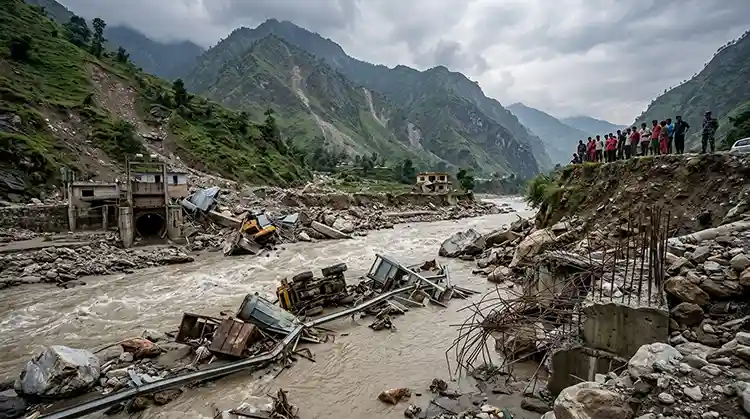
The immediate cause of the shortage is not a lack of imported gas but a broken transport route. The main supply corridor into Kathmandu, the Prithvi Highway, has been obstructed by a major landslide at Krishnabhir in Dhading district, triggered by slope damage from the devastating Bhotekoshi River floods in August 2026.
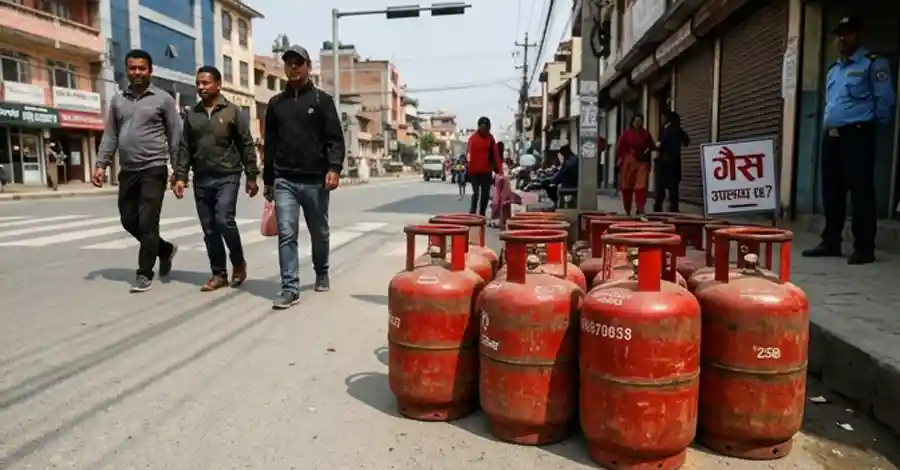
With this critical link severed, LPG bottling plants near the Kathmandu Valley have been largely unable to receive fresh supplies by bullet tanker, forcing distributors to refill cylinders at plants scattered across the Tarai and truck them into the capital via longer, indirect routes such as the Tribhuvan Highway.
Industry figures illustrate just how severe the shock has been. The Federation of Nepal Gas Distributors has said that daily deliveries into the Valley have fallen to only about 5 percent of the roughly 35,000 to 40,000 cylinders households normally need each day. Separately, gas dealers cited by Republica have put total valley-wide daily demand at around 100,000 cylinders against actual deliveries of only about 20,000 on the worst days, while Nepali Times reported supply cut to roughly 18,259 cylinders a day across nine operating gas companies.
Emergency Measures Already in Place
Even before Minister Sah’s latest pledge, the state-run Nepal Oil Corporation (NOC) had been running an emergency distribution operation to keep gas flowing into the capital. According to Radio Nepal, NOC coordinated the refilling of empty cylinders at industrial plants in Bara, Parsa, Makwanpur, Chitwan, Nawalparasi, Dhanusha, and Mahottari districts, then transported them back into the Valley via alternative roads. That effort reportedly delivered more than 233,000 cylinders to Kathmandu Valley consumers over a five-day period in September.
Private gas companies have also improvised. According to The Himalayan Times, firms including Baba Gas, Sai Baba Gas, Nepal Gas Gandaki, and STC Gas shifted bottling operations to plants in Chitwan, Birgunj, and other districts outside the Valley to keep cylinders moving toward Kathmandu.
However, rerouting supply chains comes at a cost. Refilling plant operators have raised cylinder prices by roughly NPR 100 to 105 each, citing higher transportation expenses through the alternative corridors, according to reporting by the Kathmandu Post.
The Human Cost of the Shortage
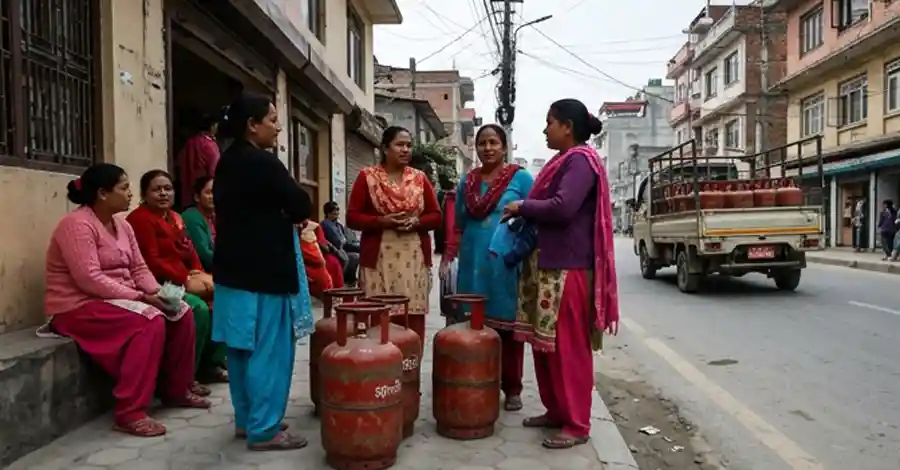
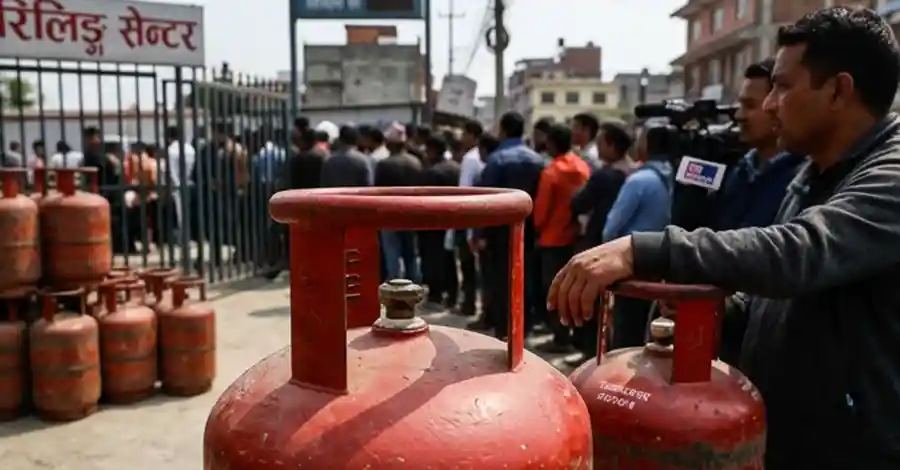
For ordinary households and small businesses, the disruption has meant real hardship. The Kathmandu Post’s coverage described consumers being forced to return home empty-handed despite hours of queuing, with the shortage pushing restaurants and small eateries “to the brink of closure” as they struggle to secure cooking fuel. A recent Kathmandu Post editorial noted that residents have continued to line up outside depots with empty cylinders, register their names, collect coupons, and return home without knowing when they will next be able to cook.
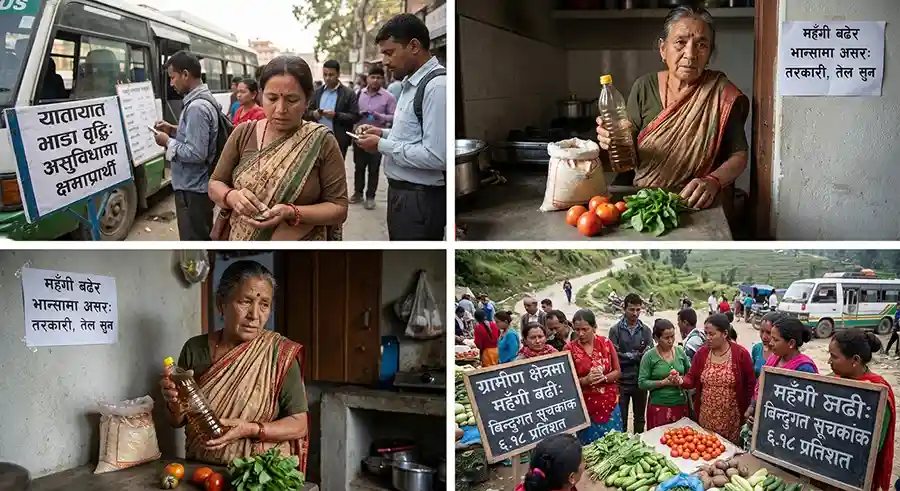
The crisis has also fed into a broader affordability problem. Supply disruptions along the same highway corridor have contributed to shortages and black-marketing of other essential goods entering the Valley, according to Republica, compounding the pressure already felt by consumers dealing with the gas crunch.
Sugar Shortage and Price Hikes Also on Minister’s Radar
Gas was not the only commodity Minister Sah addressed on Tuesday. He acknowledged growing public complaints over a shortage of sugar and rising prices in the market, telling reporters that his ministry is making every effort to manage the situation and expressing confidence that this problem, too, would be resolved within a matter of days.
What Happens Next LPG
The real test for Minister Sah’s pledge will be whether the promised 160 daily gas bullets from India actually reach Kathmandu Valley consumers on schedule, and whether the Krishnabhir landslide section of the Prithvi Highway can be stabilized enough to restore normal transport. Until the highway fully reopens, officials have indicated that supply will continue to depend on indirect routes and emergency refilling arrangements in the Tarai. For now, the government’s message to a frustrated public is one of cautious optimism: help is on the way, and it is measured in bullets per day.
Further reading: OnlineKhabar — Who is the new Industry Minister, Deepak Kumar Sah?, Radio Nepal — 233k LPG cylinders sold in Kathmandu in five days

Economic Affair
- Budhigandaki Flood: 47 Rescued as Bridges Washed Away
- Nepal Supreme Court Handcuff Order: Police Barred From Routine Use
- 250+ Officials Deploy to Assess Rasuwa-Bhotekoshi Flood Damage
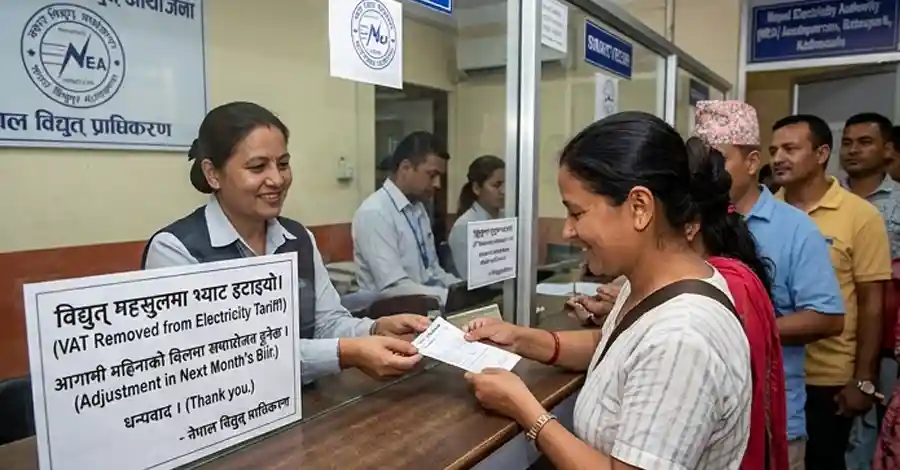
- Electricity VAT: Energy and Finance Ministers Strike Landmark Deal After Just 2 Months
- Nepal Inflation Shockingly Triples to 5.96% — Food and Transport Hit Hardest

Comments