







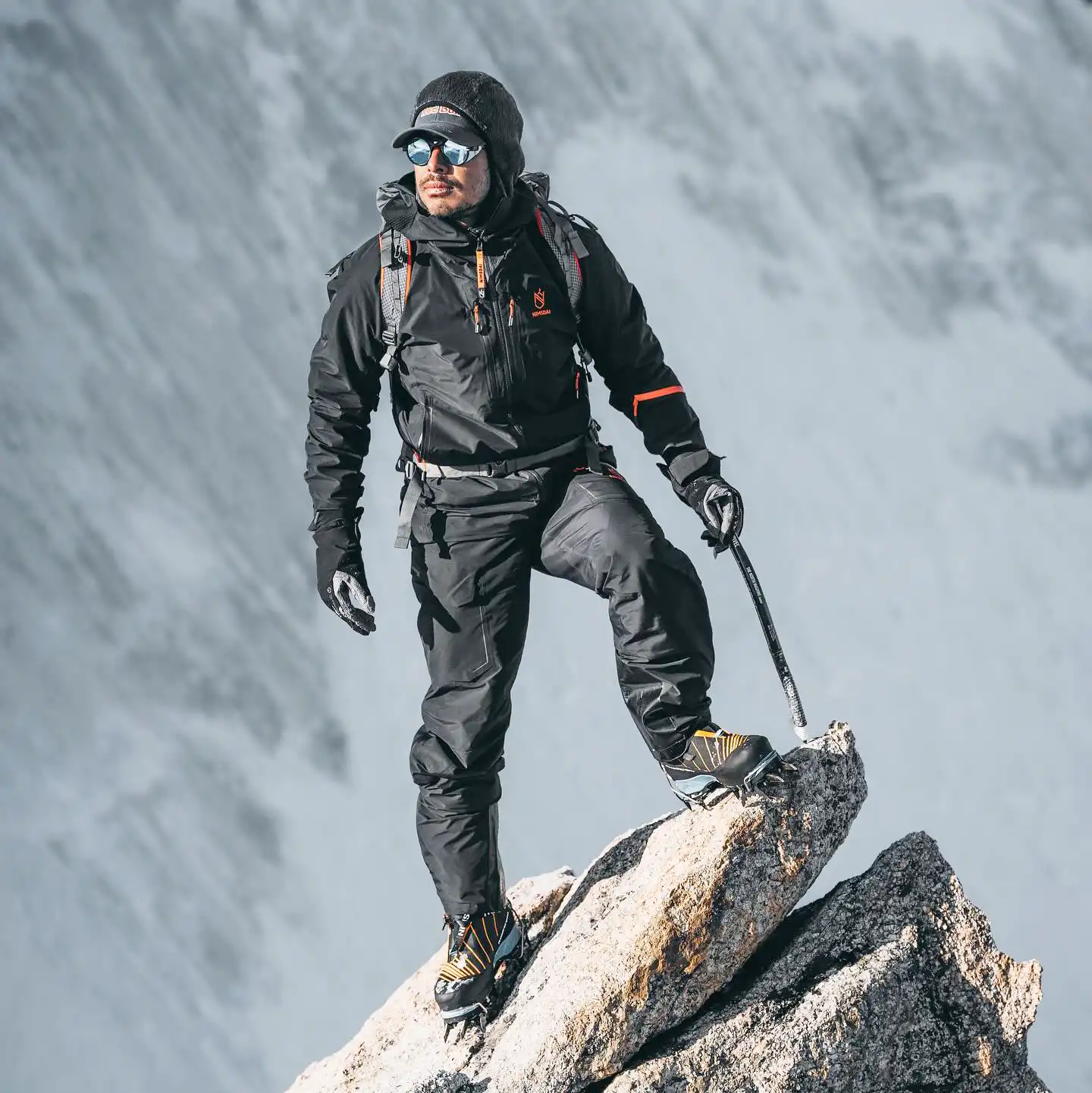
Nepal is in mourning after world-famous mountaineer Nirmal Purja — fondly known as “Nims Dai” — died in a devastating avalanche on Pakistan’s 8,051-metre Broad Peak. Purja, 43, was leading a 10-member international expedition when disaster struck, and none of the climbers on that stretch of the mountain survived.
The tragedy has stunned Nepal’s mountaineering community, the global adventure-tourism industry, and millions of admirers who watched Purja redefine what was thought humanly possible in high-altitude climbing.
What Happened on Broad Peak
The avalanche hit the team at roughly 6,700 metres on Broad Peak, located in Pakistan’s Karakoram range, sweeping away all 10 climbers — six Nepali and four international mountaineers. Search and rescue efforts involving Pakistani military helicopters, drones, local rescue teams, and experienced climbers stationed near K2 were launched immediately after contact was lost.
Purja’s own company, Elite Expeditions, confirmed the loss in a statement, saying the team had received confirmation that other expedition members also did not survive. The Alpine Club of Pakistan corroborated the news, calling it heartbreaking for the entire climbing community.
Nepal’s Prime Minister Leads National Tributes
Nepal’s Prime Minister Balendra “Balen” Shah paid tribute to Purja on social media, saying that although the physical journeys of the climbers had ended, their courage, dedication, and contributions would remain a permanent source of inspiration in history.
Tributes have also poured in from major political figures, including Rastriya Swatantra Party chairman Rabi Lamichhane, who shared a deeply personal message recalling his friendship with Purja, and Nepali Congress president Gagan Kumar Thapa, who said he remained hopeful until the very last moment given Purja’s history of overcoming impossible odds.
Tourism Sector Calls the Loss “Irreparable”
Former Nepal Tourism Board CEO Deepak Raj Joshi described Purja as more than a record-breaking climber, calling him a friend who inspired dreams. According to Joshi, Purja’s mission went beyond personal glory — he worked to build a safer and more respected mountaineering culture, establish Nepali guides and climbers as global brands, and position Nepal’s adventure tourism as a world-class, year-round destination.
Who Was Nirmal Purja?
Born on July 25, 1983, in Dana village in Myagdi district and raised in Chitwan, Purja served in the British Gurkhas before becoming the first Nepali soldier selected for the UK’s elite Special Boat Service (SBS).
He shot to global fame in 2019 through his “Project Possible” expedition, in which he summited all 14 of the world’s peaks above 8,000 metres in just six months and six days — smashing the previous record of nearly eight years. His achievement was later chronicled in the Netflix documentary 14 Peaks: Nothing Is Impossible, which introduced his story to a worldwide audience.
According to international outlets including CNN and Al Jazeera, Purja had planned to climb Cho Oyu after Broad Peak in an attempt to become the first person to complete all 14 “8,000ers” twice.
A Legacy That Will Outlive the Mountains
Purja never treated mountaineering as a purely personal pursuit. He used his climbs to promote Nepal, elevate Nepali guides on the world stage, and push adventure tourism forward as a national industry.
His life carried a simple but powerful message: limits often exist only in the mind, and willpower, discipline, and self-belief can turn the impossible into the achievable.
Nirmal Purja’s body may be gone, but his courage, discipline, and contribution to mountaineering history are set to remain a lasting inspiration for generations of climbers — in Nepal and around the world.
Source reference: Singha Darbar

Economic Affair
- Budhigandaki Flood: 47 Rescued as Bridges Washed Away
- Nepal Supreme Court Handcuff Order: Police Barred From Routine Use
- 250+ Officials Deploy to Assess Rasuwa-Bhotekoshi Flood Damage
- Electricity VAT: Energy and Finance Ministers Strike Landmark Deal After Just 2 Months
- Nepal Inflation Shockingly Triples to 5.96% — Food and Transport Hit Hardest




Comments