

Nepal’s auto market has spent the past year fighting two very different disasters — fire and water — and just as it finished recovering from one, the other struck. A year after arson gutted Kathmandu’s showrooms during the Gen Z protests, a devastating flood on the Trishuli River has hit the industry’s supply chain at its most vulnerable point: the border.
Thapathali’s Showrooms Reduced to Ashes
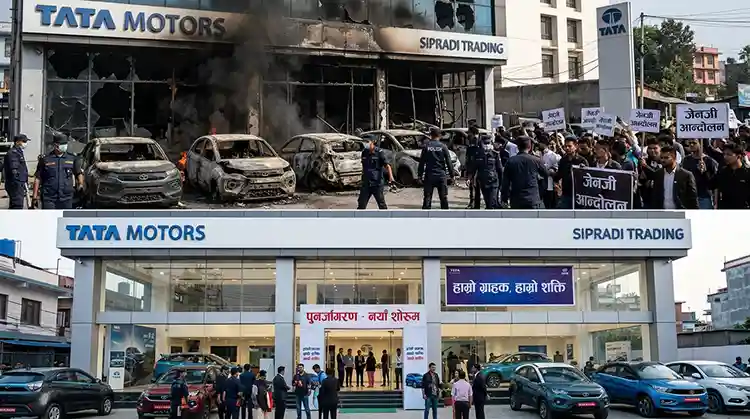
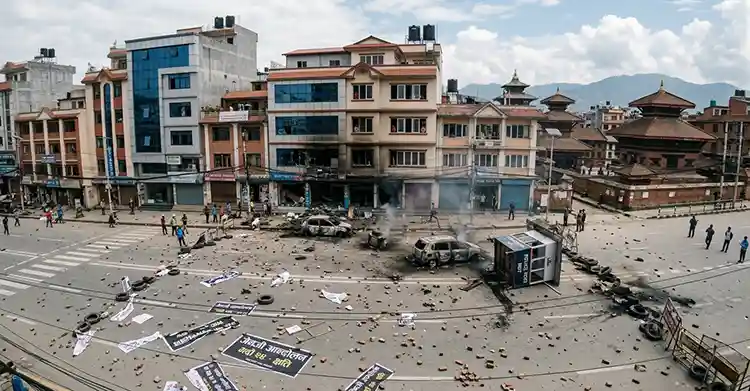
During the second day of the Gen Z protests on September 9, 2025, more than half a dozen vehicle showrooms in Thapathali — long considered Kathmandu’s main automobile hub — were vandalized and set on fire. Dealerships representing Tata Motors, CG Motors, Mahindra, Suzuki and Hyundai bore the brunt of the destruction, with shattered glass, torched vehicles and, in some cases, entire showroom structures left in ruins.
Nearly $7.5 Million in Losses
Industry estimates put total losses in the auto sector at roughly NPR 1 billion (about $7.5 million) in the immediate aftermath. CG Motors alone reported losses of around NPR 400 million after three of its showrooms were completely destroyed, while Sipradi Trading, the authorized dealer for Tata Motors, estimated damages of about NPR 200 million. Suzuki, Hyundai and Mahindra showrooms also suffered losses running into the tens of millions of rupees.
Beyond the physical damage, dealers said the bigger challenge was consumer confidence — political and social uncertainty made buyers hesitant to invest in big-ticket purchases like vehicles.
Nepal’s Auto Remarkable 70-Day Recovery
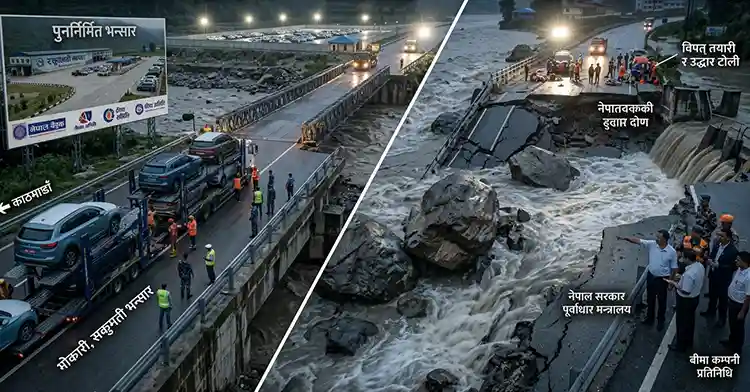
Nepal’s auto industry, however, proved resilient. Sipradi Trading rebuilt its Thapathali Tata showroom and reopened it within roughly 70 days, even after suffering 80 percent structural damage and the total loss of eight vehicles. According to Sawant Jung Sijapati, General Manager of Sipradi’s Passenger Vehicle Division, the company kept business running through temporary sales points while reconstruction was underway, before fully reopening in mid-November 2025.
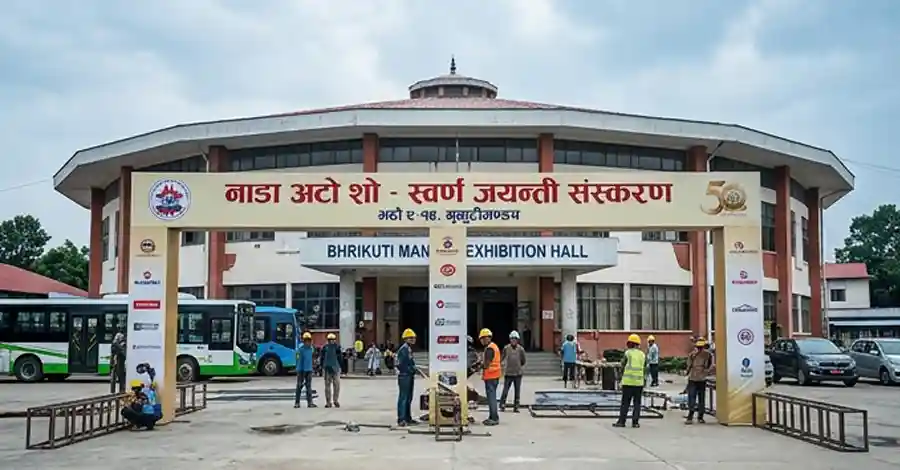
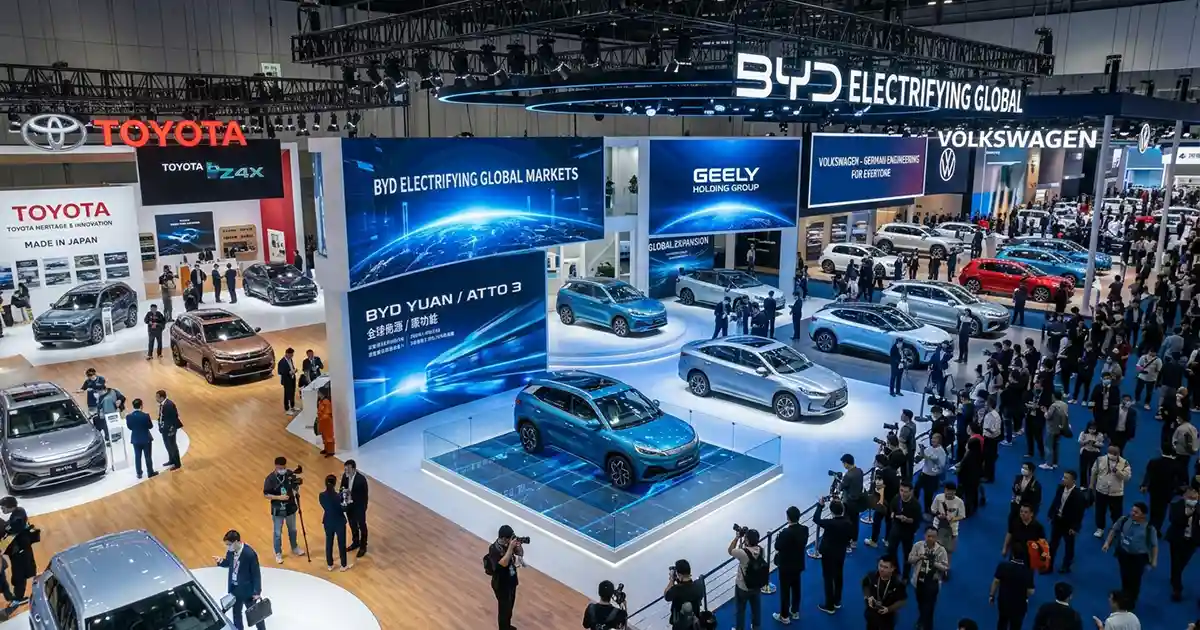
That resilience carried into a broader market rebound. Within a year, Nepal’s two major auto exhibitions — the NAIMA Mobility Expo and the NADA Auto Show — showcased a renewed wave of competition, with 53 vehicle brands and roughly 40 new models on display at one event alone, and more than 200 stalls at the other. Electric vehicle brands, in particular, expanded rapidly in the Nepali market during this recovery phase.
Then Came the Trishuli Flood
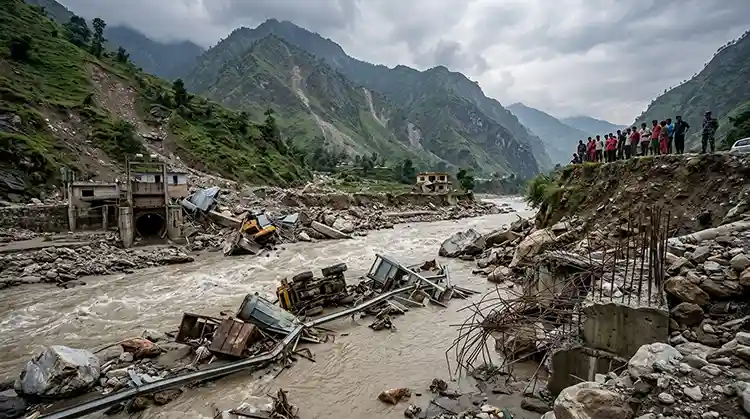
Almost exactly one year after the protests, on August 26, 2026, a catastrophic glacial flood on the Bhotekoshi-Trishuli river system delivered a second, very different blow to the same industry — this time by water rather than fire. The disaster, triggered by a glacier collapse on the Nepal-Tibet border, killed hundreds of people and caused an estimated $4–7 billion in damage nationwide, according to Britannica.
Hundreds of Vehicles Swept Away at the Border
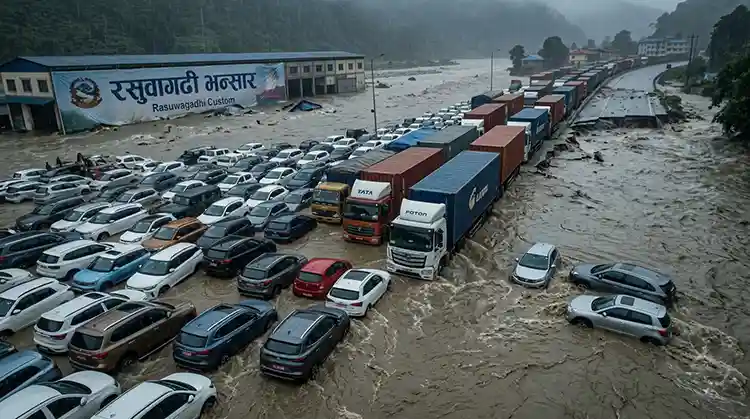
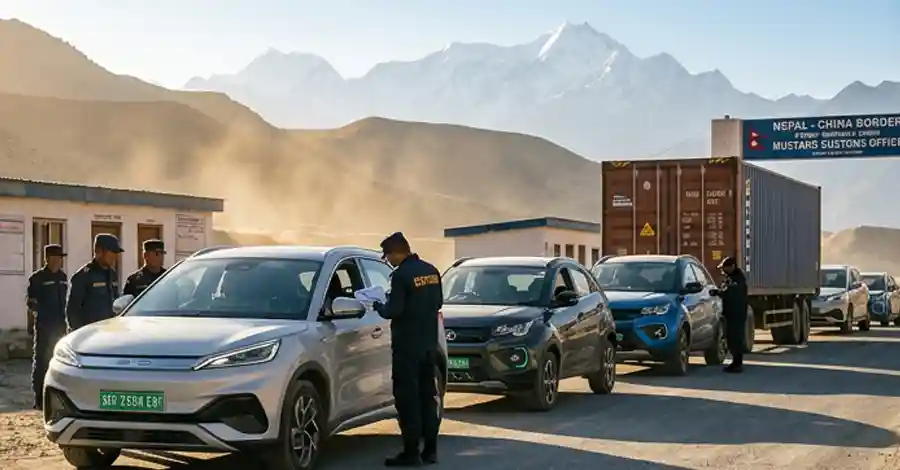
This time, the damage hit Nepal’s auto mobile supply chain directly. More than 500 vehicles parked at the Rasuwagadhi customs yard were swept away by floodwaters, along with over 200 cargo trucks and containers carrying goods from China. Rasuwagadhi is one of Nepal’s key overland entry points for vehicles, auto parts, tires, batteries and other imported components arriving from China.
Showrooms Rebuilt, But the Supply Route Is Broken
The irony is stark: a year ago, it was the showrooms where customers browse that burned. This time, it’s the route vehicles travel to reach Nepal that has been crippled. Roads and bridges between Rasuwagadhi and Galchhi sustained heavy damage, and the government has estimated overall flood losses across roads, hydropower, tourism and customs infrastructure at more than NPR 200 billion.
Because a significant share of Nepal’s electric vehicles and auto parts arrive via this corridor from China, industry figures warn the disruption extends beyond customs paperwork into a genuine supply-chain crisis for the automobile sector.
Industry Voices: “Business and Morale Both Took a Hit”
Ritu Singh Baidya, president of the Nepal Automobile Importers and Manufacturers Association (NAIMA), said both the Gen Z protests and the recent flood have seriously affected the sector’s physical infrastructure, import capacity and morale. She noted that most vehicle stock is insured, offering some relief, though a full container of spare parts swept away in the flood is still being assessed for insurance claims.
Baidya added that festive-season celebrations typically important for auto sales — around Dashain, Tihar and Chhath — have been scaled back out of respect for flood victims, with company events postponed as rescue and recovery efforts continue.
“Businesses Are Victims Too”
Deepak Thapaliya, General Manager at Laxmi Intercontinental, said society has not been sensitive enough to the losses auto dealers have suffered across both disasters. He said recovering physical damage from the Gen Z protests took Hyundai dealerships six to seven months even with insurance support, and argued that repeated disasters mean insurance alone cannot fully offset a business’s losses — a point he says is often overlooked when trade losses are dismissed as simply a cost of doing business.
Looking Ahead: Building Disaster Resilience Into the Supply Chain
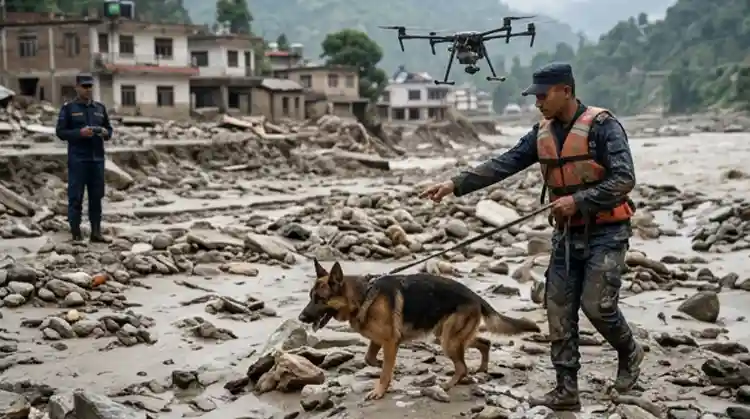
Industry leaders now say risk management, insurance coverage, alternative import routes, secure parking yards and supply-chain diversification must become strategic priorities for Nepal’s auto sector — not afterthoughts. As NAIMA’s Baidya put it, past mistakes in unplanned riverside settlement and infrastructure development should inform how the country rebuilds this time, given how often flood-prone areas have suffered repeat damage. Whether Nepal’s auto industry can weather this second shock as it did the first now depends on cooperation between the government, customs authorities, road planners, insurers and dealers alike.
This article is based on reporting from Nepali industry sources and public disclosures following the 2025 Gen Z protests and the August 2026 Trishuli flood, supplemented by international coverage from Britannica. Readers are encouraged to consult original sources for further detail.

Economic Affair
- Budhigandaki Flood: 47 Rescued as Bridges Washed Away
- Nepal Supreme Court Handcuff Order: Police Barred From Routine Use
- 250+ Officials Deploy to Assess Rasuwa-Bhotekoshi Flood Damage
- Electricity VAT: Energy and Finance Ministers Strike Landmark Deal After Just 2 Months
- Nepal Inflation Shockingly Triples to 5.96% — Food and Transport Hit Hardest


Comments