












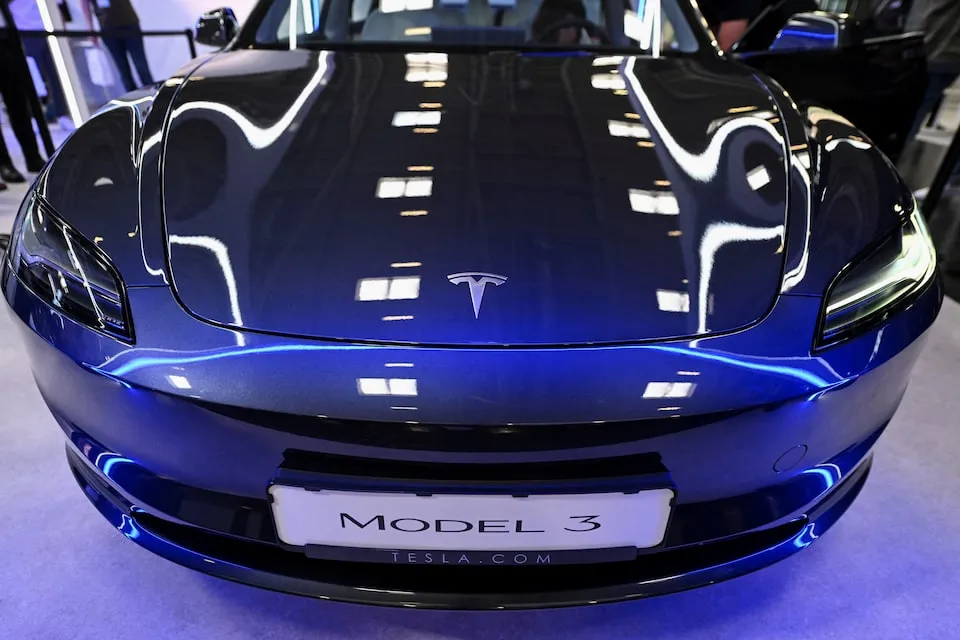
Tesla has officially launched a lower-priced version of its popular Model 3 sedan across European markets on Friday, marking a significant strategic pivot as the electric vehicle giant battles declining sales and intensifying competition from both European and Chinese automakers. The new Model 3 Standard variant arrives two months after its U.S. debut, offering consumers an entry point into Tesla ownership at substantially reduced prices while maintaining the brand’s signature long-range capabilities.
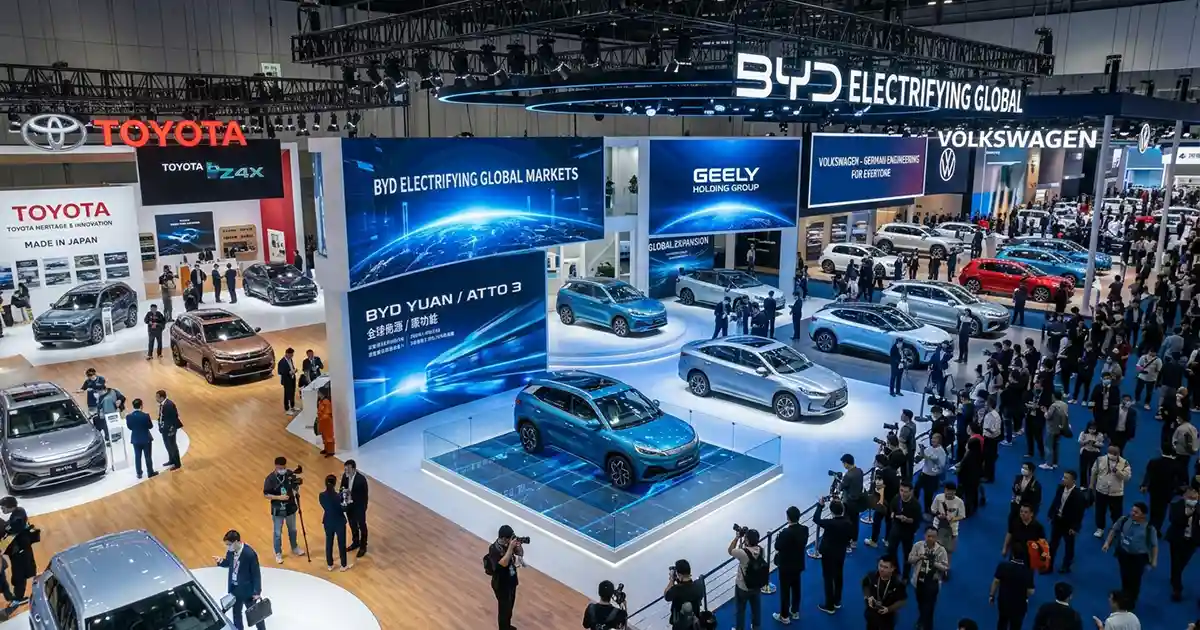
The timing of this European launch reflects the urgency of Tesla’s situation in the region, where new vehicle registrations have plummeted this year despite the company’s efforts to refresh its Model Y lineup. With competitors like Volkswagen’s ID.3 and Chinese manufacturer BYD’s Atto 3 capturing increasing market share by offering competitively priced electric vehicles, Tesla is making a bold bet that affordability can reverse its declining fortunes in one of the world’s most important EV markets.
European Pricing Strategy: Starting at $32,698
Country-Specific Price Points
Tesla has adopted a carefully calibrated pricing strategy across major European markets, positioning the Model 3 Standard as an accessible alternative to premium electric vehicles while maintaining brand value.
Official European Pricing:
- Norway: 330,056 crowns ($32,698) – Lowest entry price
- Germany: €37,970 ($44,299) – Key European market
- Sweden: 449,990 crowns ($47,820) – Premium positioning
Norway’s significantly lower price point reflects the country’s aggressive EV incentives and tax structures that have made it one of the world’s leading electric vehicle adoption markets. According to the Norwegian Road Federation, over 90% of new car sales in Norway are now electric or hybrid vehicles.
Comparison with Premium Variant
The pricing gap between the new Standard model and existing premium versions demonstrates Tesla’s strategy to capture different market segments:
Germany Price Comparison:
- Model 3 Standard: €37,970
- Model 3 Premium: €45,970
- Price difference: €8,000 ($9,343)
This €8,000 difference provides significant savings while still offering Tesla’s core value proposition of long-range capability and advanced technology.
What Makes the Model 3 Standard Different
Strategic Feature Adjustments
To achieve the lower price point, Tesla has made calculated compromises that reduce manufacturing costs without fundamentally compromising the driving experience.
Key Modifications:
- Removal of premium interior finishes
- Simplified feature set
- Cost-optimized materials
- Streamlined production approach
- Focus on essential functionality
Despite these adjustments, Tesla emphasizes what CEO Elon Musk described on X (formerly Twitter) as “ultra-low cost of ownership,” highlighting the vehicle’s efficiency and reduced maintenance requirements compared to traditional combustion engines.
Impressive 300-Mile Range Maintained
Critically, the Model 3 Standard retains one of Tesla’s most important competitive advantages: long-range capability exceeding 300 miles (480 kilometers) on a single charge.
Range Significance:
- Eliminates range anxiety for most drivers
- Exceeds daily driving needs substantially
- Competitive with premium EV offerings
- Maintains Tesla’s technology leadership
- Enables long-distance travel capability
This range positions the Model 3 Standard favorably against many competitors in its price bracket, which often sacrifice range to achieve lower prices.
Tesla’s European Sales Crisis Explained
Dramatic Registration Decline
Tesla faces a significant challenge in Europe, where new vehicle registrations have fallen sharply throughout 2024 despite the company’s efforts to maintain momentum.
Contributing Factors to Decline:
- Increased competition from established automakers
- Chinese EV manufacturers offering lower prices
- Economic uncertainty affecting luxury purchases
- Growing consumer choice in EV market
- Tesla’s premium pricing becoming disadvantage
According to European Automobile Manufacturers Association (ACEA) data, Tesla’s market share in Europe has declined even as overall EV adoption continues growing, indicating competitive rather than market-wide challenges.
Competition Intensifies from All Directions
European Competitors:
Volkswagen ID.3:
- Starting price: €31,990 in Germany
- Strong brand recognition in Europe
- Established dealer network
- Local manufacturing advantages
Chinese Challenge:
BYD Atto 3:
- Aggressive pricing strategy
- Rapid European expansion
- Government-backed production scale
- Growing brand acceptance
These competitors have successfully positioned themselves as value alternatives to Tesla, particularly among price-conscious European consumers facing economic headwinds.
Elon Musk’s Shifting Vehicle Strategy
The Abandoned $25,000 EV Dream
Tesla’s current approach represents a significant pivot from Musk’s previous vision of an all-new, ground-up $25,000 electric vehicle that would revolutionize mass-market EV adoption.
Why Plans Changed:
- Development costs and timeline concerns
- Faster time-to-market with existing platforms
- Lower capital investment requirements
- Reduced engineering complexity
- More predictable execution path
Last year, Musk scrapped those ambitious plans, opting instead for the current strategy of creating lower-priced variants of existing Model 3 and Model Y vehicles. This decision sparked considerable analyst concern about potential cannibalization of higher-margin vehicle sales.
Cannibalization Concerns from Wall Street
Financial analysts have expressed worry that Tesla’s budget offerings might simply shift sales from premium variants rather than expanding the total customer base.
Analyst Concerns:
- Reduced profit margins per vehicle
- Customers downgrading from premium models
- Average selling price erosion
- Impact on quarterly financial performance
- Long-term brand positioning questions
However, Tesla appears to have calculated that maintaining volume and market share outweighs the risk of margin compression, particularly as competition intensifies.
October’s Model Y Standard Launch
Testing the Budget Strategy
Tesla first implemented this lower-price approach with the Model Y crossover in October 2024, using it as a test case for broader affordability initiatives.
Model Y Standard Results:
- Market response being closely monitored
- Early indication of demand levels
- Lessons informing Model 3 launch
- Strategy validation in progress
The Model Y launch provided valuable data about consumer response to stripped-down Tesla offerings, helping refine the Model 3 Standard positioning and feature set.
Defending Against Sub-$30,000 Competitors
The European market has seen an explosion of electric vehicles priced below $30,000, creating intense pressure on premium brands like Tesla to justify their price premiums or reduce prices.
Sub-$30,000 EV Landscape:
- Dacia Spring: Starting around €20,000
- MG4: Approximately €28,000
- Various Chinese imports entering market
- European manufacturers responding with budget models
Tesla’s strategy acknowledges this competitive reality while attempting to maintain brand differentiation through superior range, technology, and the established Supercharger network.
U.S. Launch Provides European Blueprint
October U.S. Debut at $36,990
The Model 3 Standard first appeared in the United States in October 2024, priced at $36,990, providing a two-month preview of European market response.
U.S. Market Insights:
- Customer reception patterns
- Feature compromise acceptability
- Cannibalization impact assessment
- Production scaling challenges
- Marketing messaging refinement
The slightly lower U.S. pricing reflects different market dynamics, tax structures, and competitive landscapes compared to Europe.
Delivery Timeline: Q1 2026
European customers ordering the Model 3 Standard today face a significant wait, with deliveries not expected until the first quarter of 2026.
Extended Timeline Implications:
- Production capacity constraints
- Global manufacturing coordination
- Quality control assurance
- Competitive landscape evolution
- Customer patience testing
This 15-month delivery timeline represents both a challenge and opportunity for Tesla, as market conditions and competitive offerings will continue evolving throughout this period.
Musk’s AI Pivot and Vehicle Reality
Robotaxi and Humanoid Robot Focus
Elon Musk has increasingly directed Tesla’s strategic focus and resources toward artificial intelligence applications, particularly autonomous robotaxis and humanoid robots like the Optimus project.
Musk’s AI Vision:
- Fully autonomous robotaxi network
- Optimus humanoid robot production
- AI technology licensing potential
- Long-term transformation of transportation
- Movement beyond traditional automaker identity
According to Tesla’s investor communications, Musk views these AI initiatives as Tesla’s ultimate destiny and primary long-term value driver.
Near-Term Revenue Reality Check
Despite Musk’s futuristic focus, Tesla’s immediate financial performance depends overwhelmingly on vehicle sales, making models like the budget Model 3 critical for near-term success.
Revenue Reality:
- Vehicle sales remain 90%+ of revenue
- Robotaxi timeline uncertain and distant
- Shareholder expectations for quarterly growth
- Production and delivery targets must be met
- Traditional auto metrics still matter
This tension between Musk’s AI aspirations and automotive reality creates uncertainty for investors and employees alike about Tesla’s strategic priorities.
What This Means for EV Market Evolution
Accelerating Price Competition
Tesla’s move signals that even premium EV brands can no longer maintain significant price premiums without corresponding feature advantages.
Market Implications:
- Continued price pressure across segment
- Feature standardization increasing
- Brand differentiation becoming harder
- Consumer benefiting from competition
- Margin compression industry-wide
The International Energy Agency’s EV outlook projects that achieving mass-market EV adoption requires average prices dropping below $35,000 globally.
European Manufacturing Considerations
Tesla’s European strategy may eventually require expanded local production to remain cost-competitive against manufacturers with established European facilities.
Manufacturing Factors:
- Current reliance on Berlin Gigafactory
- Shipping costs from other facilities
- Tariff and trade considerations
- Local content requirements
- Supply chain optimization
Conclusion:
Tesla’s launch of the budget-friendly Model 3 Standard in Europe represents a critical strategic response to mounting competitive pressures and declining market share. By offering a $32,698 entry point in Norway while maintaining the brand’s signature 300-mile range, Tesla aims to reclaim lost ground against European and Chinese competitors. However, the success of this strategy won’t be clear until Q1 2026 deliveries begin, by which time the competitive landscape may have evolved further. For now, Tesla is betting that affordability combined with its established brand, technology leadership, and Supercharger network will prove compelling enough to reverse its European sales decline.

Economic Affair
- Budhigandaki Flood: 47 Rescued as Bridges Washed Away
- Nepal Supreme Court Handcuff Order: Police Barred From Routine Use
- 250+ Officials Deploy to Assess Rasuwa-Bhotekoshi Flood Damage
- Electricity VAT: Energy and Finance Ministers Strike Landmark Deal After Just 2 Months
- Nepal Inflation Shockingly Triples to 5.96% — Food and Transport Hit Hardest







Comments