








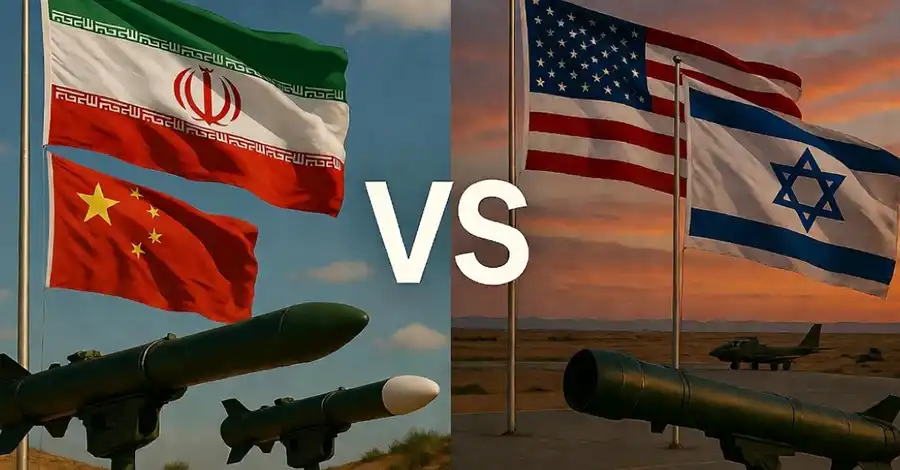
Iran is expected to take delivery of its first shipment of Chinese-made shoulder-fired air defense missiles within the next few weeks, according to three sources familiar with the arrangement. The development marks a major step in Tehran’s effort to rebuild its short-range air defense network after suffering significant damage during its recent conflict with the United States and Israel.
The purchase, reportedly valued between $60 million and $70 million, represents one of the largest known moves by Iran to reinforce its short-range air defenses since the war began. According to reporting from Reuters, the conflict exposed serious gaps in Iran’s ability to shield military installations and strategic infrastructure from aerial attack.
What Are MANPADS and Why Does Iran Need Them?
MANPADS, short for Man-Portable Air Defense Systems, are shoulder-launched, infrared-guided missiles designed to shoot down low-flying aircraft, helicopters, and drones. Unlike large fixed anti-aircraft batteries, these portable systems can be deployed quickly, operated by small teams, and relocated frequently, making them harder for enemy forces to detect and destroy.
Defense experts note that while Iran has invested heavily in missiles, drones, and radar systems over the past two decades, portable air defense units remain a critical gap-filler for protecting sensitive sites from sudden, low-altitude threats.
Deal Reportedly Covers QW-12 and FN-16 Missile Systems
The agreement is said to cover between 300 and 400 units of Chinese-made QW-12 and FN-16 missile systems. The contract was reportedly signed through Zhongqing Baoshang International Investment, a Hong Kong-based firm that allegedly acted as an intermediary between Iranian buyers and Chinese suppliers.
Sources familiar with the matter spoke on condition of anonymity given the sensitivity of the transaction. Iran’s Foreign Ministry has not responded to requests for comment. China’s Foreign Ministry has publicly dismissed the reports as “completely unfounded,” stating that Beijing has consistently played a role in promoting peace and ending conflict.
How Would the Missiles Reach Iran?
Under the reported plan, the shipment would first travel by air to Urumqi in western China, before continuing on to Iran via Pakistan. However, it remains unclear whether the final leg of the transfer would happen by air or overland route.
Pakistan’s military public relations wing has firmly denied any involvement, calling claims that Islamabad is facilitating the transfer of Chinese air defense weapons to Iran “categorically false and fabricated.” Pakistan’s Foreign Ministry has not issued an official statement on the matter.
Wider Deal Details Still Uncertain
Even if the contract has been finalized, sources caution that delivery timelines, exact quantities, and other logistical details could still change. A European security source confirmed that officials are aware of multiple ongoing discussions involving the potential sale of QW-series MANPADS — including QW-12, QW-18, and QW-19 variants — to Iran.
A separate Middle East-based security source said Iran had been seeking QW-12 and QW-18 missiles specifically, though this source was not aware that a formal agreement had already been reached.
Background: Iran-US-Israel Conflict and the Ceasefire
The reported missile deal comes after a two-week bombing campaign that Washington had been conducting against Tehran, which abruptly paused last Saturday. US President Donald Trump has warned that strikes could resume if ongoing negotiations fail to produce a lasting resolution. The broader five-month conflict has technically been under a ceasefire since April, though tensions remain high.
Analysts say that a shipment of several hundred MANPADS would substantially expand Iran’s short-range air defense arsenal and further signal deepening military ties between Tehran and Beijing.
Iran-China Military Ties Deepen Despite Sanctions
This is not the first such report linking Iran and China on defense cooperation. Reuters had earlier reported that Iran was close to finalizing a separate deal to acquire Chinese anti-ship cruise missiles, though it remains unconfirmed whether that agreement was ultimately completed.
Despite years of international sanctions, Iran has continued to sustain its defense capabilities through a mix of domestic production and foreign procurement. Two Western intelligence sources and an Iranian official also indicated that Tehran has increasingly turned to overland routes to transport Chinese military supplies and other materials.
For more background on international arms control and MANPADS proliferation concerns, see the U.S. Department of State’s overview on MANPADS threat reduction.

Economic Affair
- Budhigandaki Flood: 47 Rescued as Bridges Washed Away
- Nepal Supreme Court Handcuff Order: Police Barred From Routine Use
- 250+ Officials Deploy to Assess Rasuwa-Bhotekoshi Flood Damage
- Electricity VAT: Energy and Finance Ministers Strike Landmark Deal After Just 2 Months
- Nepal Inflation Shockingly Triples to 5.96% — Food and Transport Hit Hardest




Comments