





Nepal’s government has unveiled a bold new roadmap to shrink its widening trade deficit by betting big on services rather than goods. The Ministry of Industry, Commerce and Supplies has finalized the National Integrated Service Trade Strategy 2083, prioritizing six key sectors — tourism, information technology, financial services, construction services, energy services, and education and health services — as the country’s next big export opportunity.
Why Service Trade, and Why Now?
Citing World Trade Organization data, the ministry notes that services accounted for roughly 25 percent of global trade in 2024, with growth in service trade consistently outpacing merchandise trade in recent years. Officials believe this global shift toward services presents Nepal with a rare opening to diversify its economy and narrow a trade gap that has long been dominated by imported goods.
Services Already Power Nepal’s Economy
Services aren’t a fringe sector for Nepal — they’re central to it. The sector contributes nearly 62 percent of Nepal’s Gross Domestic Product (GDP), the single largest share of any economic category. Currently, service trade makes up 21.44 percent of Nepal’s total foreign trade, spanning tourism, transport, communication, financial services, education, health, information technology, and other professional services.
According to government figures Nearly Rs 250 Billion in Annual Service Exports
According to government figures, Nepal exports roughly Rs 250 billion worth of services every year. Here’s how that breaks down by sector:
- Tourism — Rs 88.66 billion (FY 2024/25), more than 37 percent of total service exports, making it by far the largest contributor.
- Other business services — Rs 57.56 billion, the second-largest category.
-
Government goods and services — Rs 34.28 billion.
- Transport services — Rs 27.89 billion.
- Telecommunications, computer and information services — Rs 22.33 billion.
On the flip side, Nepal imports around Rs 329 billion worth of services annually — travel, insurance and pension services, other business services, and telecom/IT services top that list, with overseas education spending a major driver of the import bill.
A Structural Shift: Beyond Tourism-Only Exports
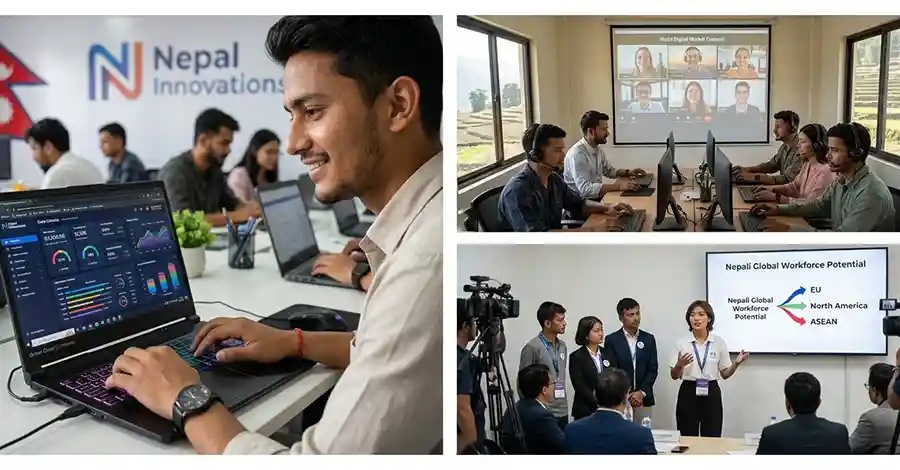
For years, Nepal’s service exports leaned almost entirely on tourism. That’s beginning to change. The ministry notes a growing contribution from IT-based services, digital services, professional services, construction services, and education and health services — signaling a more diversified pipeline of foreign currency inflows.
What the Government New Strategy Actually Aims to Do
The National Integrated Service Trade Strategy 2083 sets out to build a transparent, predictable, investment-friendly, and internationally aligned policy, legal, and institutional environment for service trade. It places heavy emphasis on human resource development, innovation, and boosting competitiveness in high-potential service sectors.
The strategy is also designed with an eye on Nepal’s economic graduation trajectory: as Nepal moves toward developing-country status, the government wants trade-related laws and regulations simplified and modernized to match international standards. It’s worth noting that Nepal’s LDC (Least Developed Country) graduation, originally set for November 2026, has since been pushed back — Nepal formally requested a deferral to 2029, citing concerns over trade readiness and potential job losses in export sectors.
Other strategic goals include strengthening digital trade infrastructure to expand cross-border service delivery, diversifying export-ready services through better productivity and quality standards, and cutting costs by improving physical and digital infrastructure, logistics, and trade procedures.
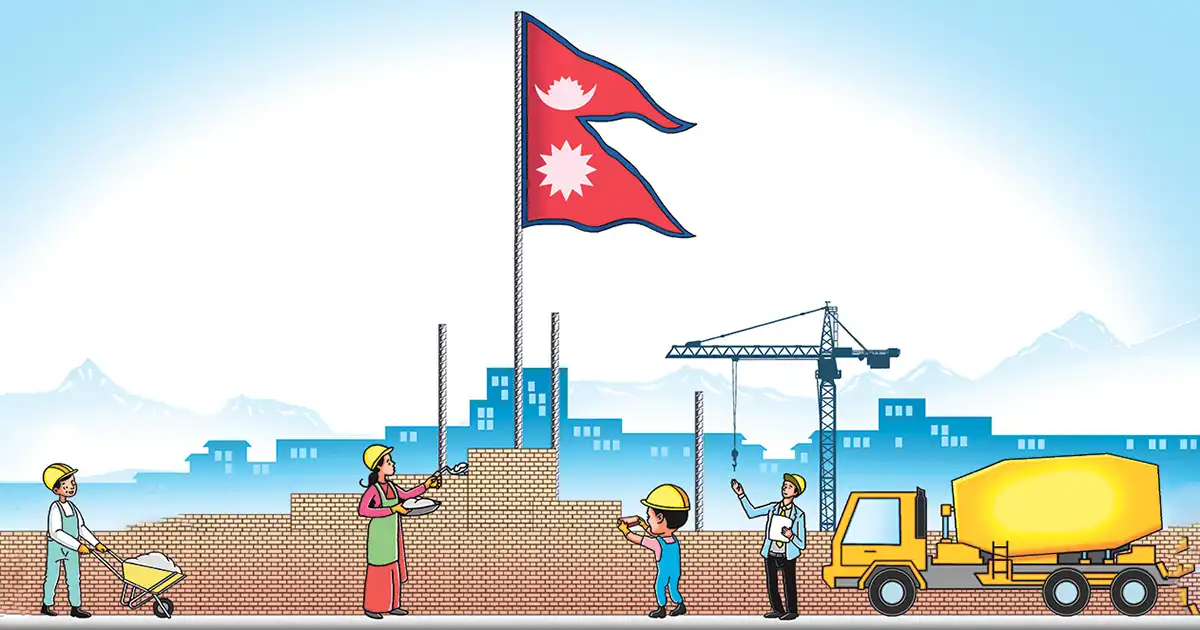
Sector-by-Sector Breakdown
Tourism: Branding Nepal as a Global Destination
The strategy promotes public-private and foreign investment in quality tourism infrastructure, along with support for tourism fairs, festivals, and destination-promotion campaigns run jointly with the private sector. Digital branding and international marketing campaigns aim to position Nepal government as a premier destination for religious, cultural, adventure, nature-based, wellness, Himalayan, rural, agro-tourism, sports, conference (MICE), and film tourism. The plan also calls for closer collaboration with Nepali diplomatic missions and the non-resident Nepali community abroad.
IT and Digital Services: Powering E-Governance and Software Exports
The strategy commits to maximizing information and communication technology use for e-governance, including digitizing import-export permit processes and other regulated business activities. A key target is strengthening IT parks to boost software production and exports.
Financial Services: Fintech and Cross-Border Banking
Plans include expanding cross-border financial services, developing digital payment systems, and creating remittance-based productive financial products. The government also intends to expand international banking, insurance, and reinsurance services, support Nepali fintech firms entering global markets through regulatory facilitation and startup programs, and grow international banking relationships to boost banking and insurance exports.
Construction Services: Helping Nepali Firms Compete Abroad
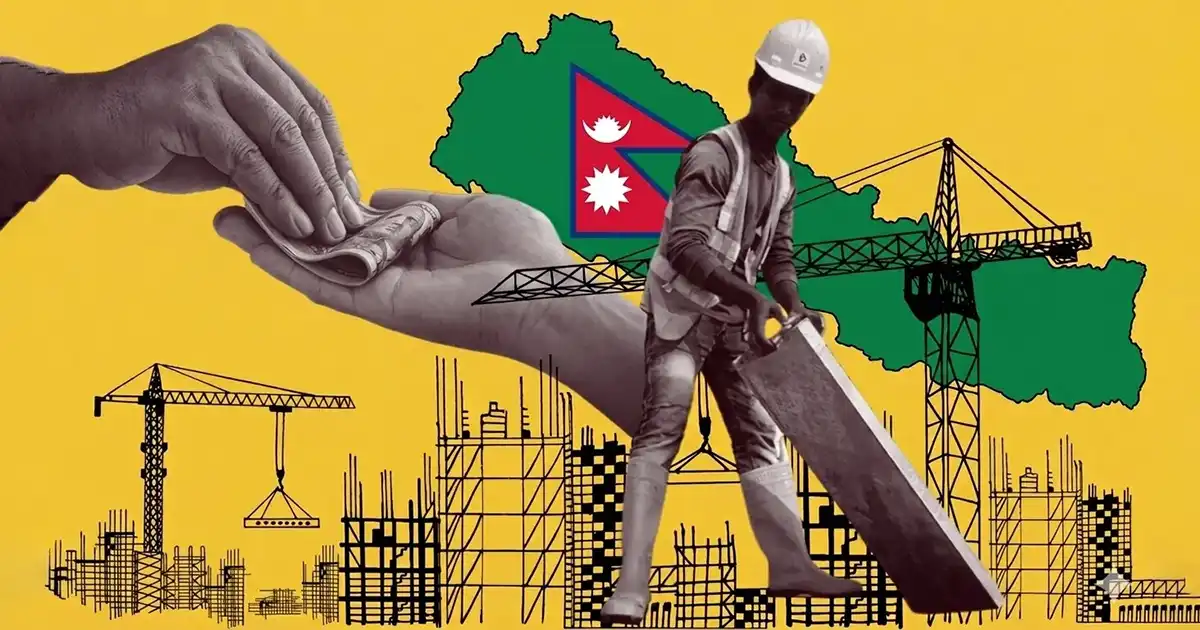
For construction companies winning contracts overseas, the strategy proposes easier access to foreign currency and construction equipment. It also encourages investment in research, innovation, and green and climate-resilient construction technology, alongside international branding support for Nepali construction firms and consultants through diplomatic channels.
Energy Services: From Hydropower Engineering to Green Hydrogen
Nepal aims to export engineering, consulting, design, project management, construction, operation, maintenance, testing, and certification services related to hydropower, solar, wind, and other renewable energy — all upgraded to international quality standards. The strategy also flags green hydrogen, carbon trading, renewable energy certificates, clean energy projects, and climate finance as emerging green-economy opportunities, alongside plans to export surplus electricity to India, Bangladesh, and other regional markets through cross-border power trade and market diversification.
Education and Health: Turning Nepal into a Services Destination
On education, the government wants policy, legal, and regulatory reforms that build a globally competitive and credible education system — simplifying student visa processes, expanding scholarships, running a “Study in Nepal” campaign, and promoting the country through international education fairs and digital marketing. Online and cross-border education, digital learning platforms, and digital academic credentialing systems are also part of the plan.
On health, the strategy aims to position Nepal as a trusted healthcare destination by expanding telemedicine, e-health, and online consultation services, while building partnerships with international hospitals, universities, and research institutions for knowledge exchange, joint research, biomedical collaboration, and technology transfer.
The Bigger Picture
With Nepal’s merchandise trade deficit remaining a persistent drag on the economy, officials are betting that a coordinated push across these six service sectors — backed by digital infrastructure, regulatory reform, and international branding — can meaningfully close the gap. Whether the strategy delivers will depend heavily on implementation, something Nepal’s trade policies have historically struggled with. For broader context on Nepal’s trade transition, the World Trade Organization’s overview of Nepal’s economic outlook is available at wto.org.

Economic Affair
- Budhigandaki Flood: 47 Rescued as Bridges Washed Away
- Nepal Supreme Court Handcuff Order: Police Barred From Routine Use
- 250+ Officials Deploy to Assess Rasuwa-Bhotekoshi Flood Damage
- Electricity VAT: Energy and Finance Ministers Strike Landmark Deal After Just 2 Months
- Nepal Inflation Shockingly Triples to 5.96% — Food and Transport Hit Hardest



Comments