



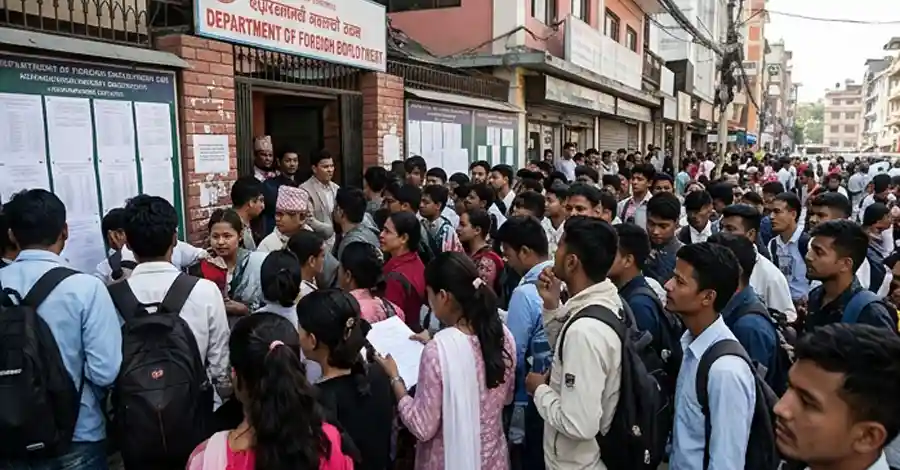
Malaysia has expanded its controversial list of approved Nepali recruitment agencies from just 25 to 275 companies, but Nepali manpower businesses say the last-minute addition does nothing to resolve the deeper Malaysia manpower syndicate controversy that has gripped Nepal’s foreign employment sector in recent weeks.
What Changed in Malaysia’s Worker Recruitment System
Malaysia’s Foreign Worker Centralised Management System (FWCMS) had originally listed only 25 Nepali companies as authorized “main contractors” allowed to send Nepali workers to Malaysia. Following widespread backlash in Nepal, Malaysian authorities quietly added 250 additional manpower companies to the platform.
According to Dik Bahadur Khatri, president of the Nepal Association of Foreign Employment Agencies, each of the original 25 main contractors has now been permitted to bring in 10 additional companies under its umbrella. Even so, Khatri argues the real structural problem remains unresolved.
Why Recruitment Agencies Call It a Cosmetic Fix
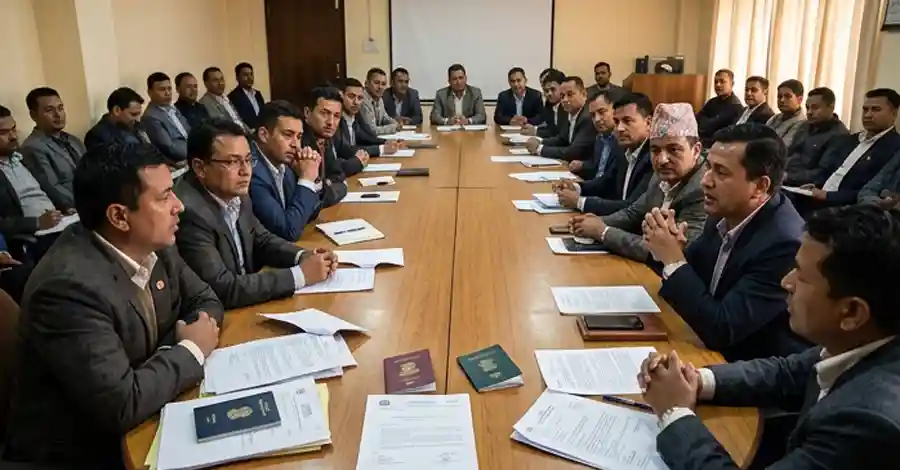
“It looks like the number was increased just to throw dust in the government’s eyes,” Khatri said, adding that the arrangement ultimately mirrors a model previously enforced in Bangladesh’s labour migration corridor to Malaysia — one widely criticised for enabling cartel-like control over recruitment and inflating migration costs for workers.
Industry voices argue that restricting access to a select group of companies — even an expanded group of 275 — violates the principle of equal opportunity guaranteed under Nepal’s constitution and labour laws, since more than a thousand licensed foreign employment businesses operate in the country.
“If 999 out of 1,000 licensed agencies are barred from sending workers while only one is allowed, that too would be unconstitutional. Here we’re talking about 25 versus 250,” Khatri said.
Long-Serving Agencies Left Out Despite Clean Track Record
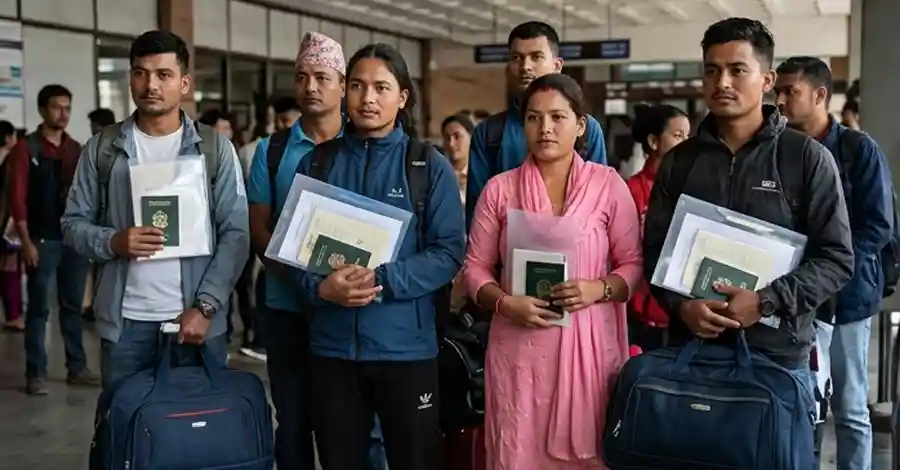
Many Nepali recruitment agencies that have sent workers to Malaysia legally and ethically for years say they were excluded from the newly expanded list. Business leaders are demanding a transparent, criteria-based selection process rather than an opaque shortlist controlled by a handful of firms.
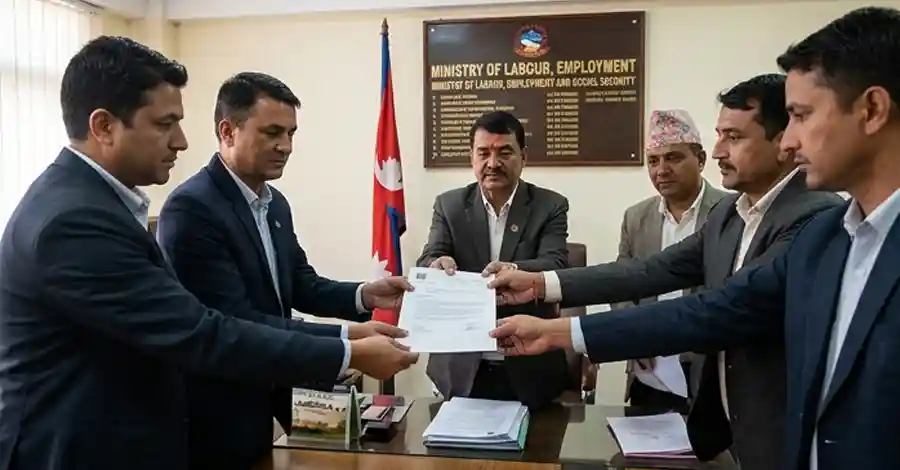
The Ministry of Youth, Labour and Employment has already sent a diplomatic note to Malaysia over the issue, and officials confirmed a follow-up letter was dispatched this week after the ministry received no response to its earlier communication. Labour Minister Ramji Yadav has reportedly assured recruitment agencies that any company found violating Nepali law over this listing will face strict action.
A Pattern Seen Before: Lessons From Bangladesh
Nepal is not the first country to face this kind of restructuring. Malaysia’s Human Resources Ministry rolled out a similar centralised recruitment framework for Bangladeshi workers, which was later expanded from 25 directly selected agencies to 338 total agencies after criticism, according to The Daily Star. Migration costs for Bangladeshi workers under that system reportedly far exceeded the government’s official fixed rate, raising concerns about worker exploitation that Nepali agencies now fear could be repeated at home.
Nepal’s Broader Labour Diplomacy Challenge
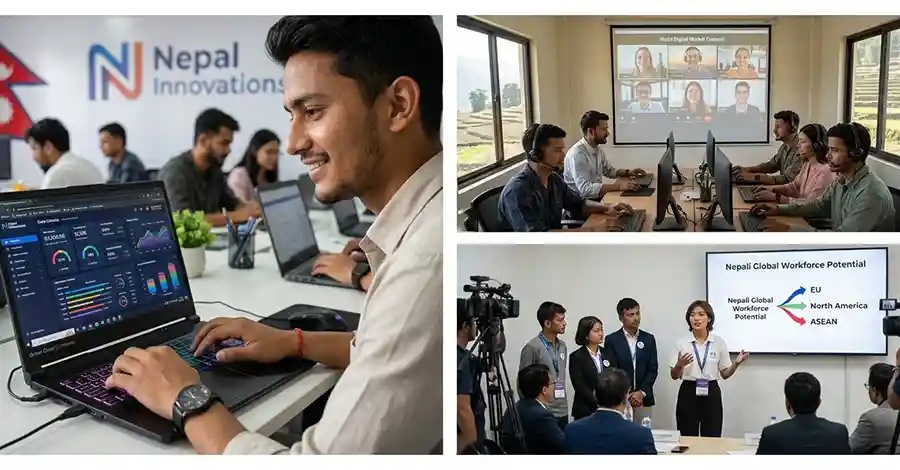
Beyond the FWCMS listing dispute, Khatri stressed that Nepal must rethink its overreliance on a narrow set of traditional labour destinations. He pointed to Malaysia’s health screening and recruitment protocols, the UAE’s police clearance verification process, and Saudi Arabia’s fingerprint and SVP requirements as examples where Nepal has had little choice but to accept conditions set unilaterally by destination countries.
“We depend on remittances, we need to send workers, and we don’t want to upset destination countries — but that means we must diversify our labour markets,” Khatri said. He added that Nepal’s failure to expand into new labour corridors and simplify demand-letter verification has left workers concentrated in a shrinking set of destinations, weakening the country’s negotiating position.
What Happens Next
The Ministry of Youth, Labour and Employment says diplomatic engagement with Malaysia is ongoing at both the administrative and foreign-ministry levels. Ministry spokesperson Mira Acharya confirmed a fresh round of correspondence was sent this week, following an earlier unanswered letter routed through Nepal’s Ministry of Foreign Affairs.
For now, the expansion from 25 to 275 companies has done little to calm tensions. Nepali recruitment agencies continue to push for a fully transparent registration process on Malaysia’s FWCMS platform — one that reflects the bilateral labour agreement between the two countries rather than a system they say concentrates power in the hands of a select few.

Economic Affair
- Budhigandaki Flood: 47 Rescued as Bridges Washed Away
- Nepal Supreme Court Handcuff Order: Police Barred From Routine Use
- 250+ Officials Deploy to Assess Rasuwa-Bhotekoshi Flood Damage
- Electricity VAT: Energy and Finance Ministers Strike Landmark Deal After Just 2 Months
- Nepal Inflation Shockingly Triples to 5.96% — Food and Transport Hit Hardest




Comments