








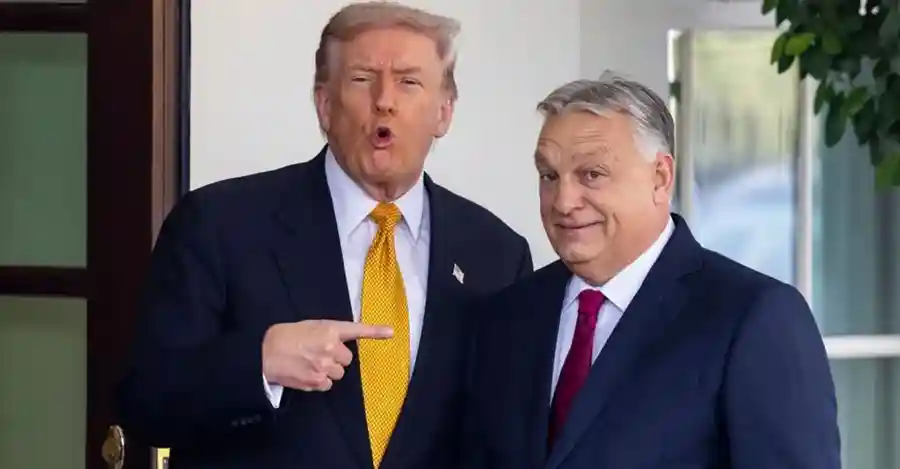
In a significant geopolitical development, President Donald Trump has granted Hungary a one-year exemption from US sanctions targeting Russian oil and gas purchases, a White House official confirmed to multiple news outlets on Friday, November 7, 2025. The decision marks a major diplomatic victory for Hungarian Prime Minister Viktor Orban, who warned that sanctions would devastate his country’s economy.
The exemption applies to Hungary’s continued purchases of Russian energy for one year, softening the impact of sanctions on Russia’s oil exports that threatened to wreak havoc on Hungary’s economy, according to White House officials speaking to CNN and Reuters.
Historic White House Meeting Between Trump and Orban
Personal Alliance Delivers Diplomatic Breakthrough
During their first formal bilateral meeting since Trump’s return to power, Orban visited Washington seeking to convince the US president to allow Hungary to continue importing Russian oil and gas without being subject to sanctions. The Hungarian leader’s close personal relationship with Trump proved instrumental in securing the exemption.
Speaking during the public portion of their White House meeting, Trump expressed sympathy for Hungary’s unique geographical challenges. “We’re looking at it, because it’s very different for him to get the oil and gas from other areas,” Trump said, noting that “they don’t have the advantage of having sea. It’s a great country, it’s a big country, but they don’t have sea. They don’t have the ports.”
Hungary’s Energy Dependency on Russia
Hungary buys more Russian oil and gas than any other EU nation, with its dependence on Russian crude oil increasing from 61% pre-invasion to 86% in 2024. This year, Russia accounted for 92% of Hungary’s crude oil imports, according to reports from the Center for the Study of Democracy and the Centre for Research on Energy and Clean Air.
Details of the Sanctions Exemption Agreement
Complete Relief for TurkStream and Druzhba Pipelines
Orban announced that Hungary had “been granted a complete exemption from sanctions” affecting Russian gas delivered to Hungary from the TurkStream pipeline, and oil from the Druzhba pipeline. Hungarian Foreign Minister Péter Szijjártó initially described it as a “full and unlimited exemption” on social media, though US officials later clarified the exemption is time-limited to one year.
The exemption provides relief from sanctions Trump imposed last month on Russian oil giants Lukoil and Rosneft, which threatened secondary sanctions on entities purchasing from these companies.
$600 Million US Natural Gas Deal Sweetens Arrangement
As part of the agreement, Hungary committed to buying U.S. liquefied natural gas with contracts valued at some $600 million. This commitment demonstrates Hungary’s willingness to diversify its energy sources while maintaining access to affordable Russian energy in the interim.
According to reports from Bloomberg, Orban told reporters Hungary had won a “general, indefinite exemption” on purchases via two main pipelines, though White House officials later clarified the one-year timeframe.
Political Implications and European Reaction
Orban’s Election Strategy and “Cheap Russian Energy” Promise
The exemption arrives at a crucial time for Orban, who faces challenging elections in April 2026. Before the sanctions were announced, Orban had told Trump that cutting Russian energy supplies would bring Hungary’s economy “to its knees”. The Hungarian leader has campaigned on promises of maintaining “cheap Russian energy” for voters.
During the White House meeting, Orban predicted a “golden age” between the two nations and made a point of criticizing President Joe Biden’s administration, aligning with Trump’s political messaging.
Concerns About Sanctions Enforcement Credibility
Analysts warned that if Trump is seen to cut his allies some slack, this could embolden others to try to circumvent US sanctions, eroding their ability to inflict economic pain on Russia and hasten the end of its war in Ukraine.
The decision may prove controversial among European allies, most of whom have worked to reduce Russian energy dependence following Moscow’s invasion of Ukraine. According to CNN’s analysis, Hungary and Slovakia used previous exemptions to deepen rather than reduce their dependence on Russian energy.
European Energy Alternatives Exist But Remain Underutilized
Research suggests alternative options are available. According to a report from the Center for the Study of Democracy and the Centre for Research on Energy and Clean Air, phasing out Russian oil is “fully feasible” for Hungary and Slovakia, as the Adria pipeline in Croatia “can meet their combined needs”. However, Orban disputed this claim, arguing that Croatia’s pipeline would require significant expansion.
Trump’s Criticism of European Energy Policy
Landlocked vs. Non-Landlocked Nations
While expressing understanding for Hungary’s situation, Trump sharply criticized other European nations continuing to purchase Russian energy. The president said he was “very disturbed” by European countries that buy Russian commodities despite not being landlocked, suggesting they lack legitimate excuses for maintaining energy ties with Moscow.
Trump has consistently argued that European purchases of Russian energy help fund the Kremlin’s war machine and prolong the Ukraine conflict he has pledged to end.
Ukraine War Discussions and Peace Prospects
Orban and Trump Align on Ukraine Strategy
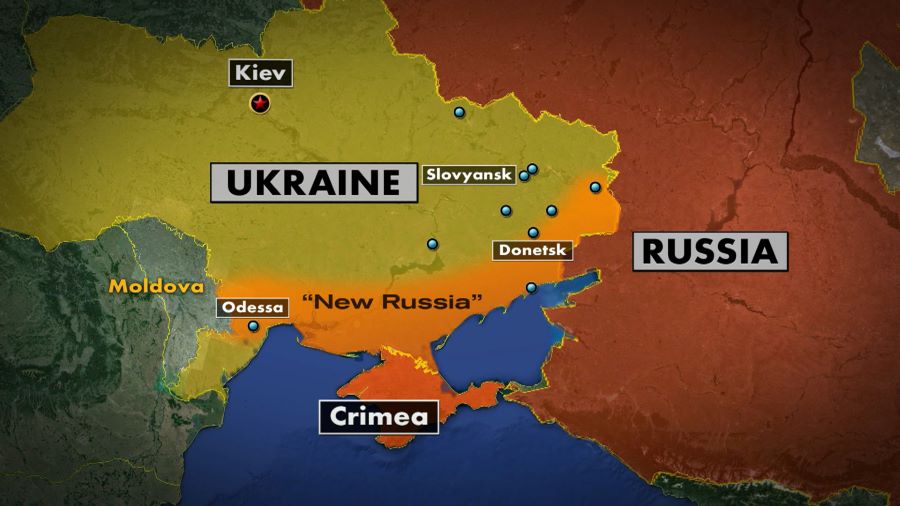
The two leaders also discussed potential pathways to ending the Ukraine war. Trump said last month that he would meet Russian President Vladimir Putin in the Hungarian capital, but the meeting was put on hold after Russia rejected a ceasefire. Trump on Friday said Russia simply did not want to stop fighting.
Orban positioned himself and Trump as the only leaders genuinely seeking peace. The Hungarian prime minister claimed that other governments prefer continuing the war because they mistakenly believe Ukraine can achieve military victory.
When Trump asked whether Ukraine could win the war, Orban responded that “a miracle can happen,” suggesting skepticism about Ukrainian military prospects without directly dismissing the possibility.
For comprehensive coverage of the Ukraine conflict, visit Al Jazeera’s Ukraine War page.
Hungary’s Economic Challenges and Trump’s Support
Tariffs Impact on Hungarian Auto Industry
Beyond energy concerns, Hungary’s export-driven car industry has been hit by Trump’s tariffs on European goods, adding to an already weak economy. The country faces economic headwinds from multiple directions, making the sanctions exemption even more critical for Orban’s government.
Trump Endorses Orban’s Immigration Policies
Trump offered strong support for Orban’s re-election campaign, praising his immigration stance. “He has not made a mistake on immigration. So he’s respected by everybody, he’s liked by some … I like and respect him,” Trump said, adding, “that’s why he’s going to be very successful in his upcoming election”.
The president urged European leaders to “respect this leader very, very strongly because he’s been right on immigration,” despite frequent clashes between Hungary and EU leadership over migration, democracy, and rule of law issues.
Background: Hungary’s Contentious Relationship with EU
Democratic Backsliding Sanctions Removed
The Biden administration had imposed sanctions on Hungary largely to punish Orban for democratic backsliding. The Trump administration has since removed some of those sanctions, signaling a dramatically different approach to US-Hungary relations.
Ongoing EU Fines Over Migration Policy
The EU’s top court ruled last year that Hungary must pay a 200-million-euro ($216 million) fine for not implementing changes to its policy of handling migrants and asylum seekers at its border. It must also pay a daily fine of one million euros until it fully implements the measures.
During the White House meeting, Orban referenced these EU penalties but indicated Hungary would handle intra-EU disputes independently, without American intervention.
Strategic Implications for US-Russia Relations
Testing Trump’s Sanctions Strategy
The exemption represents Trump’s first significant modification to his Russia sanctions regime since returning to office. Last month’s sanctions on Lukoil and Rosneft were positioned as tools to pressure Moscow toward peace negotiations in Ukraine.
However, carving out exceptions for political allies raises questions about the consistency and effectiveness of this pressure campaign. Energy experts and Russia analysts will closely monitor whether other nations seek similar accommodations.
Nuclear Fuel Diversification Agreement
Beyond oil and gas, Orban also said that Hungary will buy nuclear fuel from the US-based Westinghouse Electric Company, representing another element of energy cooperation between the two nations.
Learn more about US-Hungary bilateral relations at the US State Department’s Hungary page.
Looking Ahead: One Year to Diversify
What Happens After the Exemption Expires?
The one-year timeframe theoretically gives Hungary time to develop alternative energy infrastructure and reduce Russian dependence. However, given Hungary’s track record of deepening rather than reducing Russian energy ties when given previous opportunities, skepticism remains about whether significant changes will occur.
The arrangement sets up a critical decision point in late 2026: Will Trump extend the exemption, will Hungary have successfully diversified, or will the two nations face renewed tensions over sanctions compliance?
Broader Questions for European Energy Security
This exemption highlights ongoing debates about European energy security, strategic autonomy, and the political challenges of transitioning away from Russian fossil fuels. While Western Europe has made significant progress reducing Russian energy dependence since February 2022, Central European nations like Hungary and Slovakia continue facing unique challenges.
Key Takeaways
- One-Year Relief: Hungary receives 12-month exemption from US sanctions on Russian energy purchases
- Pipeline Protection: Exemption covers TurkStream gas and Druzhba oil pipeline imports
- $600 Million Deal: Hungary commits to purchasing US liquefied natural gas contracts
- Political Alliance: Close Trump-Orban relationship proves decisive in securing exemption
- Election Impact: Timing benefits Orban ahead of April 2026 Hungarian elections
- European Concerns: Decision may undermine sanctions credibility and encourage circumvention
- Alternative Exists: Research suggests Croatia’s Adria pipeline could replace Russian supplies
- Ukraine War Views: Both leaders express skepticism about Ukrainian military victory prospects
Conclusion: Geopolitics Meets Personal Diplomacy
Trump’s decision to grant Hungary a sanctions exemption demonstrates how personal relationships between leaders can reshape international policy. While the arrangement includes commitments to US energy purchases and nuclear fuel diversification, it primarily serves Orban’s political interests ahead of challenging elections.
The exemption’s limited one-year duration suggests Trump administration awareness of potential criticism, providing a face-saving mechanism while delivering immediate relief to a key ally. However, questions remain about enforcement consistency, the message sent to other nations, and whether this decision strengthens or weakens efforts to pressure Russia over Ukraine.
As the geopolitical landscape continues evolving, this agreement between Trump and Orban will serve as an important case study in how economic sanctions interact with alliance politics and personal diplomatic relationships in 21st-century international relations.
Stay updated on US foreign policy developments and European energy security issues through reliable sources like Reuters, Bloomberg, and Euronews.

Economic Affair
- Budhigandaki Flood: 47 Rescued as Bridges Washed Away
- Nepal Supreme Court Handcuff Order: Police Barred From Routine Use
- 250+ Officials Deploy to Assess Rasuwa-Bhotekoshi Flood Damage
- Electricity VAT: Energy and Finance Ministers Strike Landmark Deal After Just 2 Months
- Nepal Inflation Shockingly Triples to 5.96% — Food and Transport Hit Hardest



Comments