










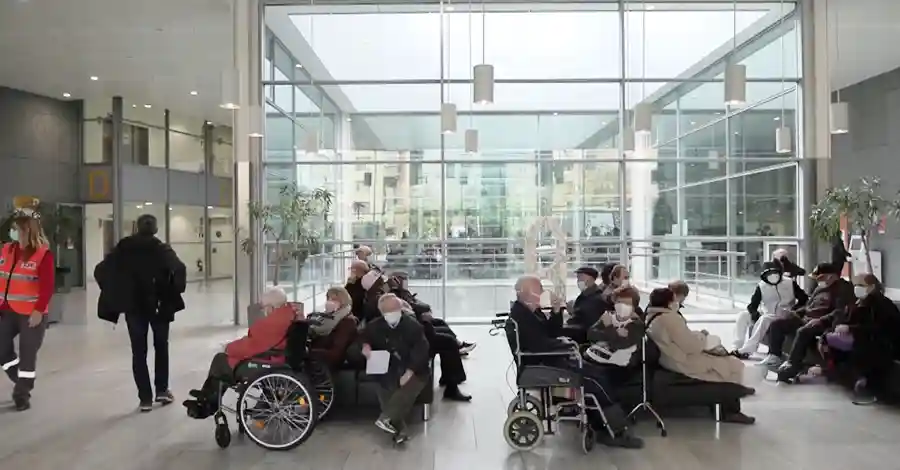
Catalonia, the northeastern region of Spain, has reinstated mandatory face mask requirements in hospitals, primary care centers, and residential care facilities starting December 10, 2024, marking the first such mandate since July 2023. This emergency measure responds to an alarming surge in respiratory infections, particularly Influenza A (H3N2), which health authorities describe as the worst flu epidemic in 15 years.
The resolution takes effect on December 10 and will remain in force for 15 calendar days, extending until Christmas Eve, December 24. The Catalan Health Department made this decision after flu incidence rates exploded from 168 cases per 100,000 inhabitants to 418 cases per 100,000 in just one week, representing a staggering 2.5-fold increase that caught health officials off guard.
Unprecedented Flu Surge Forces Emergency Action
The current flu season in Catalonia has proven exceptionally severe, with transmission levels reaching intensities not witnessed in over a decade and a half. The increase began six weeks ago, earlier and more sharply than usual, with influenza as the predominant virus showing 308 positive cases per 100,000 inhabitants, more than doubling previous week’s figures.
Comparing Current vs Previous Week Statistics
Week of December 1-7:
- Total respiratory infection incidence: 418 per 100,000 inhabitants
- Influenza-specific cases: 308 per 100,000
- Previous week incidence: 168 per 100,000
- Percentage increase: 148.8% in one week
According to health authorities, these figures surpass the peaks seen in the last three flu seasons, indicating an unusually aggressive flu variant circulating through the population. The rapid escalation prompted immediate government intervention to prevent complete healthcare system collapse.
What Makes This Flu Season Different?
Health authorities report this is the most severe flu epidemic in 15 years, with the expected peak still several days away. The predominant strain, Influenza A (H3N2) Variant K, has earned the nickname “superflu” due to its heightened transmissibility and severity compared to typical seasonal influenza strains.
Key Characteristics of Current Outbreak:
- Earlier onset than typical flu seasons
- Steeper transmission curve
- Higher hospitalization rates among elderly populations
- Increased emergency room saturation
- Longer recovery periods for infected individuals
Hospital admissions for flu continue to rise, while admissions for other viruses remain stable, with all Covid-19 admissions and 73% of flu admissions among people over 60 years old, highlighting the particular vulnerability of senior populations.
Who Must Wear Masks Under the New Mandate?
The Catalan government’s resolution applies broadly across healthcare and residential care settings, with specific requirements and exemptions carefully outlined to balance public health protection with individual circumstances.
Mandatory Mask Locations
The measure applies to everyone aged six and over—staff, patients, and visitors—in primary care centres, hospitals, intermediate-care facilities, mental health centres, and residential homes for older people or individuals with disabilities.
Specific Facilities Included:
- Public and private hospitals
- Primary care centers (CAPs)
- Emergency rooms and urgent care facilities
- Mental health treatment centers
- Intermediate care facilities
- Nursing homes and elderly residential facilities
- Disability care residential centers
- Outpatient clinics within healthcare complexes
Important Exemptions and Exceptions
Patients and residents will not need to wear a mask while inside their own rooms, recognizing the need for comfort and normalcy in private spaces. Additionally, the order includes several exemptions for vulnerable populations.
Exempted Individuals:
- Children under 6 years old
- People with respiratory conditions worsened by mask-wearing
- Individuals with disabilities preventing independent mask removal
- Those with behavioral conditions making compliance unsafe
- Patients undergoing specific medical procedures requiring facial access
- Individuals with documented medical contraindications
People with medical conditions or respiratory difficulties that could be worsened by mask-wearing are exempt, as are individuals who, due to disability or dependency, cannot remove a mask on their own.
Spain’s Fragmented Regional Response to Respiratory Illness Surge
Unlike the unified national approach during the COVID-19 pandemic, Spain’s response to the current respiratory illness surge reveals significant regional divisions. While some autonomous communities moved quickly to mandate masks, others maintain recommendation-only policies, creating a patchwork of regulations across the country.
Which Spanish Regions Require Masks?
As of December 10, the mandatory mask requirement remains limited to three autonomous communities—Catalonia, Murcia, and Aragon—with no new regions announcing full obligations.
Regions with Mandatory Masks (December 2024):
Catalonia:
- Full mandate in all healthcare and residential facilities
- Applies to staff, patients, and visitors over age 6
- Duration: 15 calendar days (December 10-24)
- Includes primary care, hospitals, and nursing homes
Murcia:
- Mandatory in hospitals and health centers
- Recommended in all spaces with respiratory disease symptoms
- Free masks distributed at hospitals since December 30
Aragon:
- Mandatory for all healthcare workers and personnel
- Required for patients in waiting rooms
- Extended to social health centers
Regions Recommending But Not Mandating Masks
Several regions opted for strong recommendations rather than legal requirements:
Valencia, Asturias, Galicia, Cantabria, Navarra: These regions recommend mask use in healthcare settings, particularly for symptomatic individuals and vulnerable populations, but stop short of legal mandates.
Andalusia: The Andalusian Health Service recommends masks for symptomatic people and those with pre-existing conditions but has ruled out mandatory requirements, except for localized hospital-specific implementations like Granada’s Virgen de las Nieves hospital.
Madrid: The Madrid regional government has taken the most nakedly political approach and accused the Ministry of Health of a “lack of planning” and ruled out mask mandates, maintaining its opposition to mandatory measures despite rising case numbers.
National Government Attempts Unified Approach
Spain’s Health Ministry, led by Minister Mónica García, attempted to coordinate a nationwide response through the Interterritorial Council of the National Health System (CISNS), but regional disagreements prevented consensus on mandatory measures.
January 2024: Spain’s Previous National Mask Mandate
Earlier in 2024, Spain briefly reimposed nationwide mask mandates. Spain reintroduced a nationwide mask mandate in hospitals from January 10, as cases of flu and COVID-19 spiked over the holiday season. Minister García called it an effective, common sense rule supported by scientific evidence.
However, that national mandate faced significant regional opposition, with several autonomous communities voting against implementation. The fragmented response reflects Spain’s complex healthcare governance structure, where regional governments maintain substantial autonomy over health policy decisions.
Why Regional Disagreements Persist
Spain’s autonomous community system grants significant healthcare management authority to regional governments. While the central government can intervene in emergencies, regional leaders often resist what they perceive as overreach, particularly when political affiliations differ between regional and national administrations.
Factors Contributing to Regional Divisions:
- Political party differences between regions and national government
- Varying local infection rates and hospital capacity
- Different public health philosophies
- Economic considerations about healthcare costs
- Public opinion variations across regions
- Historical tensions about central government authority
Scientific Evidence Supporting Mask Effectiveness
The decision to reinstate mask mandates in healthcare settings reflects substantial scientific evidence accumulated during and after the COVID-19 pandemic regarding respiratory disease transmission.
How Masks Reduce Respiratory Infection Transmission
Research consistently demonstrates that face masks, particularly surgical and N95/FFP2 respirators, significantly reduce transmission of respiratory viruses through multiple mechanisms:
Primary Protection Mechanisms:
- Source Control: Masks trap respiratory droplets expelled by infected individuals during breathing, speaking, coughing, and sneezing
- Inward Protection: Filtration layers reduce inhaled viral particles reaching the wearer’s respiratory system
- Reduced Face Touching: Physical barriers decrease hand-to-face contact, limiting self-inoculation
- Behavioral Signaling: Visible mask-wearing reminds individuals to maintain other protective behaviors
According to the CDC’s comprehensive mask guidance, masks provide varying levels of protection depending on type, fit, and consistent usage. Well-fitted respirators offer superior protection compared to loose-fitting surgical or cloth masks.
Mask Effectiveness in Healthcare Settings
Healthcare facilities present particularly high-risk environments for respiratory pathogen transmission due to:
- Concentrated populations of immunocompromised individuals
- Frequent close-contact interactions between staff and patients
- Aerosol-generating medical procedures
- Extended exposure durations
- Vulnerable patient populations with reduced immune responses
Studies from healthcare settings during COVID-19 and previous flu seasons demonstrate that universal masking protocols significantly reduce healthcare-associated infections among both staff and patients. The World Health Organization recommends masks in healthcare settings during respiratory illness surges as a proven intervention.
Impact on Catalonia’s Healthcare System
The flu surge has created substantial strain on Catalonia’s healthcare infrastructure, prompting concerns about system capacity and service delivery.
Hospital Emergency Room Saturation
The huge rise in respiratory infections has strained the healthcare system, leading to saturation in some hospital emergency rooms. Emergency departments across Catalonia report extended wait times, overcrowded waiting areas, and staff working overtime to manage patient volumes.
Observable Healthcare System Impacts:
- Increased emergency department wait times (averaging 3-5 hours)
- Higher staff absenteeism due to illness
- Delayed non-urgent procedures and appointments
- Increased ambulance diversion incidents
- Overflow patients in corridors and temporary spaces
- Extended hospital stays due to bed shortages
Protecting Healthcare Workers
Healthcare workers face disproportionate exposure risks, and protecting this essential workforce represents a critical priority. During respiratory illness surges, healthcare worker illness rates typically increase, compounding staffing challenges when demand peaks.
The mask mandate aims to reduce healthcare worker infections, maintaining adequate staffing levels during the crisis period. Previous research indicates that universal masking in healthcare settings can reduce staff infection rates by 30-50% compared to unmasked environments.
Public Response and Compliance Expectations
Mask mandates were well respected in Spain during the pandemic, where lockdowns were among the strictest in the world. This historical compliance suggests Catalans will likely follow the new requirements, though pandemic fatigue may affect adherence levels.
Comparing to COVID-Era Compliance
Spain demonstrated high public compliance during COVID-19 restrictions, with mask usage rates exceeding 90% in required settings during peak mandate periods. However, the current situation differs in several key aspects:
Factors Supporting Compliance:
- Limited scope (healthcare facilities only, not public spaces)
- Short duration (15 days vs. months-long COVID mandates)
- Clear public health justification (visible hospital strain)
- Recent memory of pandemic measures
- Cultural acceptance of masks in medical contexts
Factors That May Reduce Compliance:
- Pandemic fatigue after years of restrictions
- Political polarization around health measures
- Perception of flu as “less serious” than COVID-19
- Holiday season timing when people want normalcy
- Regional policy inconsistencies creating confusion
Mask Sales Surge Across Spain
Sales of masks are increasing nationwide and experts predict further escalations if post-Christmas transmissions intensify. Pharmacies report renewed demand for surgical and FFP2 masks, indicating public awareness of the respiratory illness surge even in regions without mandates.
What Happens After December 24?
The initial 15-day mandate expires on Christmas Eve, but extension remains possible depending on epidemiological trends. Catalan health authorities will monitor several key indicators to determine whether to extend, modify, or allow the mandate to expire.
Decision Criteria for Extension
Factors Influencing Extension Decisions:
- Flu incidence rates and trajectory
- Hospital admission numbers and ICU capacity
- Healthcare worker illness rates and staffing levels
- Emergency department saturation metrics
- Post-Christmas transmission patterns
- Public compliance rates with current mandate
- Emergence of other respiratory pathogens
If flu cases continue rising or plateau at high levels, officials may extend the mandate beyond December 24. Conversely, if cases decline significantly as the mandate approaches expiration, authorities might allow it to lapse while maintaining heightened surveillance.
Potential for Broader Mandates
Should conditions worsen dramatically, Catalonia might expand mask requirements beyond healthcare settings to include:
- Public transportation
- Retail establishments
- Educational institutions
- Large gatherings and events
- Workplaces with high-density occupancy
However, public health officials indicate preference for targeted interventions in high-risk settings rather than broad population-level mandates unless absolutely necessary.
Protecting Yourself During Flu Season
Whether you live in a region with mask mandates or not, several evidence-based strategies can reduce your respiratory illness risk during flu season.
Vaccination: First Line of Defense
Annual flu vaccination remains the most effective preventive measure against influenza infection and severe complications. The CDC recommends flu vaccination for everyone six months and older, ideally before flu activity begins increasing in your community.
Flu Vaccine Benefits:
- Reduces infection risk by 40-60% when well-matched to circulating strains
- Decreases severity and complications if breakthrough infection occurs
- Provides community-level protection through reduced transmission
- Particularly critical for high-risk populations (elderly, immunocompromised, pregnant women)
Spain’s flu vaccination campaign continues through the winter season, with vaccines available at primary care centers, pharmacies, and designated vaccination sites.
Personal Protective Measures
Beyond vaccination, several proven strategies reduce respiratory illness transmission:
Effective Prevention Strategies:
- Hand Hygiene: Wash hands frequently with soap and water for 20+ seconds, especially after public spaces
- Respiratory Etiquette: Cover coughs and sneezes with tissue or elbow, not hands
- Avoid Touching Face: Minimize hand contact with eyes, nose, and mouth
- Physical Distancing: Maintain space from visibly ill individuals when possible
- Surface Disinfection: Clean frequently touched surfaces regularly
- Adequate Ventilation: Open windows to improve indoor air circulation
- Stay Home When Sick: Avoid public spaces and healthcare facilities unless seeking treatment
When to Seek Medical Care
Most flu cases resolve with home care, but certain warning signs warrant immediate medical evaluation:
Seek Emergency Care If You Experience:
- Difficulty breathing or shortness of breath
- Persistent chest pain or pressure
- Severe or persistent vomiting
- Confusion or difficulty staying awake
- Bluish lips or face
- Severe muscle pain or weakness
- Symptoms improving then suddenly worsening
- High fever (>39.4°C/103°F) lasting >3 days
High-risk individuals (over 65, pregnant, immunocompromised, chronic disease patients) should contact healthcare providers early when flu symptoms develop, as antiviral medications work best when started within 48 hours of symptom onset.
Comparing Catalonia’s Approach to European Neighbors
Catalonia’s decision to reinstate healthcare facility mask mandates reflects broader European trends as winter respiratory illness season intensifies across the continent.
European Countries with Active Mask Requirements
Several European nations have implemented or are considering similar measures:
France: Certain hospitals in high-incidence regions have reinstated mask requirements for visitors and patients, though no nationwide mandate exists.
Italy: Regional health authorities in Lombardy and Veneto recommend masks in healthcare facilities, with some hospitals enforcing requirements.
Germany: Individual hospitals and clinics maintain mask policies based on local infection rates, with federal government deferring to regional decisions.
United Kingdom: NHS guidance recommends masks in healthcare settings but stops short of mandatory requirements, leaving decisions to individual trusts.
Most European countries have transitioned from national mandates to localized, facility-specific policies that respond to real-time epidemiological conditions. This targeted approach balances public health protection with pandemic fatigue and desire to maintain normalcy.
Economic Implications of Respiratory Illness Surge
Beyond immediate health concerns, the flu surge carries economic consequences for Catalonia’s economy, particularly during the crucial holiday shopping and tourism season.
Healthcare System Costs
The respiratory illness surge generates substantial healthcare expenditures:
Direct Healthcare Costs:
- Emergency department visits and hospitalizations
- Antiviral medications and supportive treatments
- Additional staffing through overtime and temporary workers
- Personal protective equipment procurement
- Increased diagnostic testing
Indirect Economic Impacts:
- Worker absenteeism across all sectors
- Reduced productivity from presenteeism (sick workers continuing to work)
- Cancelled business meetings and events
- Decreased retail shopping and restaurant dining
- Tourism cancellations or postponements
Mask Industry Responds to Renewed Demand
The sudden return of mask mandates has revitalized Spain’s mask manufacturing and distribution industries, which had downsized significantly after COVID-era demand collapsed. Pharmaceutical suppliers report inventory challenges meeting unexpected surge demand, with some mask types temporarily unavailable.
Expert Opinions: What Medical Professionals Say
Healthcare professionals and public health experts have expressed mixed reactions to the mask mandate reinstatement, though most support the measure as a necessary temporary intervention.
Supporting Perspectives
Many healthcare workers welcome mask requirements, having experienced firsthand the strain of treating surging patient volumes while facing personal infection risks. Emergency department physicians particularly support the mandate, noting the protection it provides to vulnerable patient populations.
According to statements from medical associations, the measure provides common-sense protection during a clearly defined crisis period without imposing unreasonable burdens on the general public.
Concerns About Inconsistent Regional Policies
Healthcare workers in regions like Madrid and Valencia express concerns over inconsistent policies amid rising emergency room saturation. The lack of nationwide coordination creates confusion and potentially undermines public health messaging.
Some epidemiologists argue that scientific evidence justifying mask mandates in healthcare settings doesn’t change based on political boundaries, suggesting that uniform national policies would better serve public health interests than fragmented regional approaches.
Lessons from Previous Respiratory Illness Seasons
Catalonia’s current situation offers opportunities to apply lessons learned from recent years’ respiratory illness management.
What Worked During COVID-19
The COVID-19 pandemic provided extensive real-world evidence about respiratory illness transmission and control measures:
Effective Interventions:
- Universal masking in healthcare settings dramatically reduced nosocomial infections
- Clear, consistent public health messaging improved compliance
- Multi-layered prevention strategies (combining vaccination, masking, hygiene) proved most effective
- Early intervention prevented more severe measures later
What Can Be Improved
Previous experiences also revealed areas for improvement:
Identified Challenges:
- Pandemic fatigue reduces compliance with repeated interventions
- Political polarization complicates public health implementation
- Regional policy inconsistencies create confusion
- Economic considerations sometimes override health priorities
- Communication about temporary vs. permanent measures needs clarity
Looking Forward: Will This Become Annual Pattern?
The December 2024 mask mandate raises questions about whether similar winter season interventions might become routine occurrences.
Factors That May Normalize Winter Masking
Several trends suggest potential normalization of seasonal mask use in healthcare settings:
Supporting Factors:
- Growing evidence of mask effectiveness for respiratory illness prevention
- Increased public acceptance of masks after COVID-19 experience
- Recognition of flu severity and hospitalization burdens
- Healthcare worker support for protective measures
- Availability of comfortable, effective mask options
Arguments Against Regular Mandates
Conversely, several factors argue against routine seasonal mandates:
Opposing Considerations:
- Public desire to return to pre-pandemic normalcy
- Pandemic fatigue reducing compliance willingness
- Economic costs of mandate implementation and enforcement
- Political resistance to government health interventions
- Preference for voluntary individual choice over mandates
Most likely, Spain will adopt hybrid approaches that maintain flexibility to implement targeted mandates during surge periods while avoiding permanent requirements that might generate sustained public resistance.
Conclusion: Targeted Response to Immediate Health Crisis
Catalonia’s 15-day mask mandate represents a measured, targeted response to a clearly defined public health emergency. The dramatic 2.5-fold increase in flu cases within one week, combined with healthcare system strain, justified temporary protective measures in high-risk settings.
The limited scope—applying only to healthcare and residential care facilities rather than general public spaces—and brief duration demonstrate authorities’ attempt to balance public health protection with pandemic fatigue and desire for normalcy. By focusing requirements where vulnerable populations concentrate and transmission risks peak, officials target interventions where they deliver maximum benefit.
Whether the mandate extends beyond December 24 depends on epidemiological trends over the next two weeks. If flu cases decline as quickly as they rose, the mandate may expire as planned. If cases continue escalating or plateau at high levels, extension seems likely to protect both healthcare capacity and vulnerable populations through the holiday season and beyond.
For Catalonia’s residents and visitors, the message remains clear: respiratory illnesses surge during winter months, requiring heightened vigilance and protective measures. Whether mandated or voluntary, basic prevention strategies—vaccination, hand hygiene, staying home when sick, and masking in high-risk settings—remain the most effective tools for navigating flu season safely.

Economic Affair
- Budhigandaki Flood: 47 Rescued as Bridges Washed Away
- Nepal Supreme Court Handcuff Order: Police Barred From Routine Use
- 250+ Officials Deploy to Assess Rasuwa-Bhotekoshi Flood Damage
- Electricity VAT: Energy and Finance Ministers Strike Landmark Deal After Just 2 Months
- Nepal Inflation Shockingly Triples to 5.96% — Food and Transport Hit Hardest




Comments