





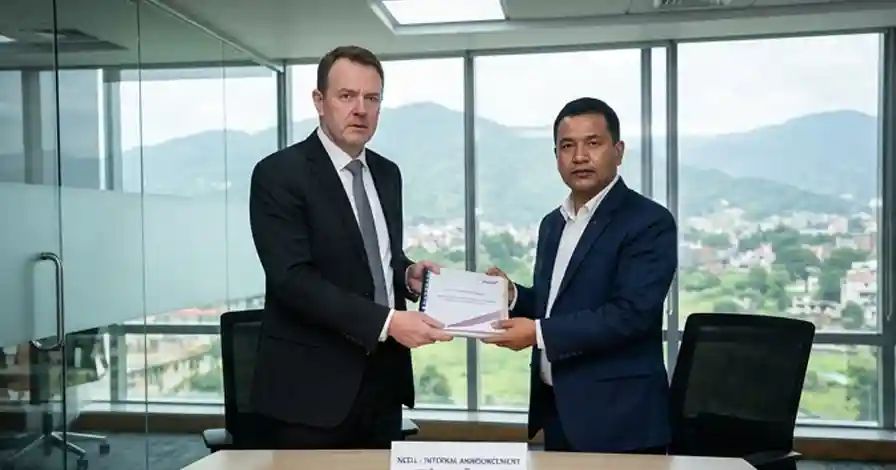
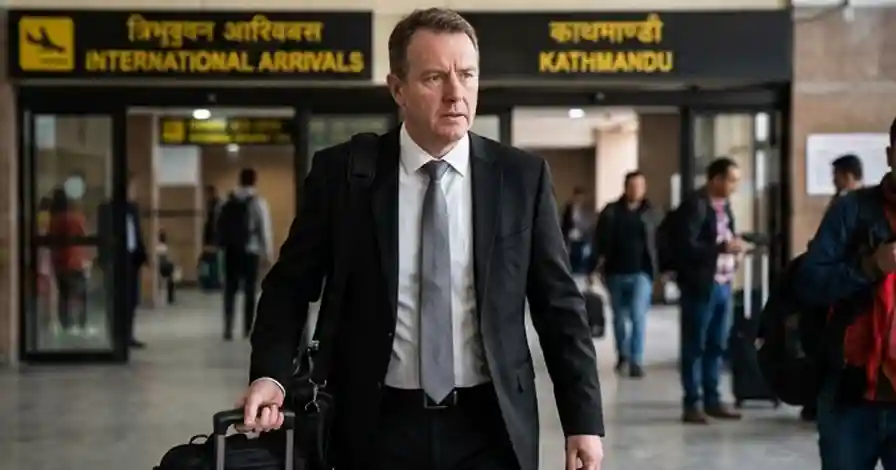
Kathmandu — In a resignation that has sent fresh shockwaves through Nepal’s foreign investment community, Michael Foley, the Chief Executive Officer of telecom giant Ncell, has stepped down and returned to his home country, saying Nepal no longer offers a workable environment for foreign investors. The abrupt Ncell CEO resignation — coming barely 10 months into Foley’s tenure — has reignited a long-simmering debate over how Nepal treats the foreign companies it courts for investment.
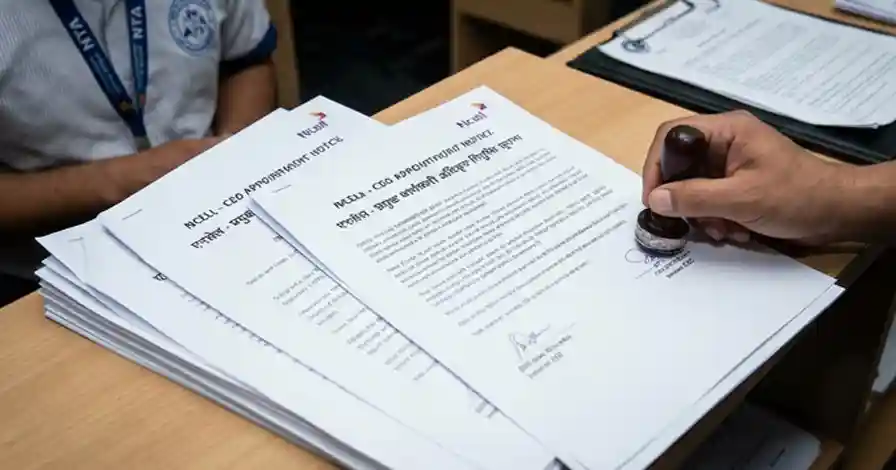
Foley’s exit was formally accepted by Ncell’s board of directors effective Bhadra 9 (August 25, 2026), and the company has already notified Nepal’s telecom regulator, the Nepal Telecommunications Authority (NTA), of the leadership change.
Key Facts About the Ncell CEO Resignation
- Who resigned: Michael Foley, CEO of Ncell
- Effective date: Bhadra 9 (August 25, 2026)
- Tenure: Approximately 10 months (appointed effective November 1, 2025)
- Interim replacement: Dilli Ram Shrestha, Ncell’s Chief Corporate and Regulatory Affairs Officer
- Stated reason: A deteriorating environment for foreign investment and operations in Nepal
- Regulator notified: Nepal Telecommunications Authority (NTA)
- Related legal dispute: Ncell’s Supreme Court petition against public disclosure of the Tanka Mani Sharma investigation report
Who Is Replacing Michael Foley at Ncell?
With Foley gone and no permanent successor yet named, Ncell’s board has handed interim charge to Dilli Ram Shrestha, who previously served as the company’s Chief Corporate and Regulatory Affairs Officer. According to the letter Ncell sent to the NTA, Shrestha has been granted full authority under the company’s “Limits of Authority” framework — meaning he can exercise every power normally vested in the Ncell CEO until a permanent replacement is appointed.
The swift handover is intended to keep Nepal’s largest private telecom operator running smoothly through the transition, even as questions swirl around exactly why its top executive walked away so soon after taking the job.
Why Michael Foley Says He Couldn’t Continue Working in Nepal
According to Ncell’s internal account of events, Foley’s decision to resign and leave the country stemmed largely from a legal storm surrounding the Smart Telecom (SmartCell) property auction case. After the Nepali government moved to deploy the Credit Information Bureau (CIB) and pursue legal action against the banks that auctioned mortgaged property and the service providers who conducted those auctions, Foley reportedly concluded that continuing to lead a foreign-owned telecom operator under such conditions had become untenable.
Rather than navigate an increasingly hostile regulatory and legal climate, Foley chose to resign and return home — a decision that came just under a year after he took charge of the company with high expectations of driving Ncell’s “digital transformation.”
A Brief but High-Profile Tenure
Michael Foley’s appointment as Ncell CEO was announced with considerable fanfare in October 2025. A Canadian-Kenyan dual citizen and graduate of McGill University with executive credentials from INSEAD, Foley arrived with more than two decades of senior telecom leadership experience. He had previously served as Ncell CEO of Grameenphone in Bangladesh and Telenor Bulgaria — where he was credited with expanding the subscriber base to over 70 million and lifting EBITDA by more than 60% — as well as Ncell CEO of Telenor Pakistan and, most recently, Head of French Africa at Airtel.
At the time of his appointment, Ncell’s board expressed strong confidence in his leadership, with Foley himself calling the company “the operating system of the modern economy” and pledging to help attract foreign investment and drive digital transformation across Nepal. His resignation less than a year later — with an explicit complaint about Nepal’s investment climate — stands in stark contrast to that optimistic starting point.
The Legal Backdrop: Ncell’s Supreme Court Battle Over the Tanka Mani Sharma Report
Foley’s resignation did not happen in a vacuum. It comes amid an intensifying legal standoff between Ncell and the Nepali government over the so-called Tanka Mani Sharma report — the findings of a high-level government committee, led by former Auditor General Tanka Mani Sharma Dangal, that investigated the 2023 sale of an 80% stake in Ncell from Malaysia’s Axiata to the UK-based Spectrlite.
The committee’s report, submitted to the government in January 2024, reportedly concluded that the Axiata–Spectrlite transaction was not a fair, arm’s-length deal, and traced Ncell’s ownership history through 14 separate transfers since 2004, flagging concerns including offshore corporate structures, incomplete regulatory disclosures, possible cross-holding ties with Smart Telecom, and more than Rs 85 billion in disputed tax and non-tax liabilities. The panel also recommended blocking the Axiata-Spectrlite deal in its existing form and called for broader investigations into potential revenue leakage.
When the government moved to make this report public, Ncell pushed back hard — filing a writ petition at Nepal’s Supreme Court arguing that disclosure would violate the company’s constitutional right to privacy and breach confidentiality protections under Nepal’s Individual Privacy Act and Right to Information Act. A single bench of Justice Bal Krishna Dhakal subsequently issued an interim order barring the government from releasing or further disseminating the report, ruling that publication could compromise commercially sensitive information and individual investment details, and directing the government to maintain the status quo pending a final decision.
Foreign Investors Have Raised Similar Concerns Before
Foley’s parting complaint about Nepal’s investment climate is not an isolated grievance. Ncell had previously voiced concerns about alleged government overreach toward foreign investors during a discussion organized by Nepal’s Finance Ministry with foreign investors — suggesting that frustrations over regulatory unpredictability, legal exposure, and shifting government positions on the company’s ownership have been building for some time.
Nepal has long sought to position itself as an attractive destination for foreign direct investment (FDI), particularly in telecommunications, hydropower, and infrastructure. However, high-profile disputes involving major foreign-backed companies — including Ncell’s years-long ownership and taxation controversies — have repeatedly been cited by international observers and investor groups as evidence of the legal and regulatory unpredictability that continues to deter larger inflows of foreign capital into the country.
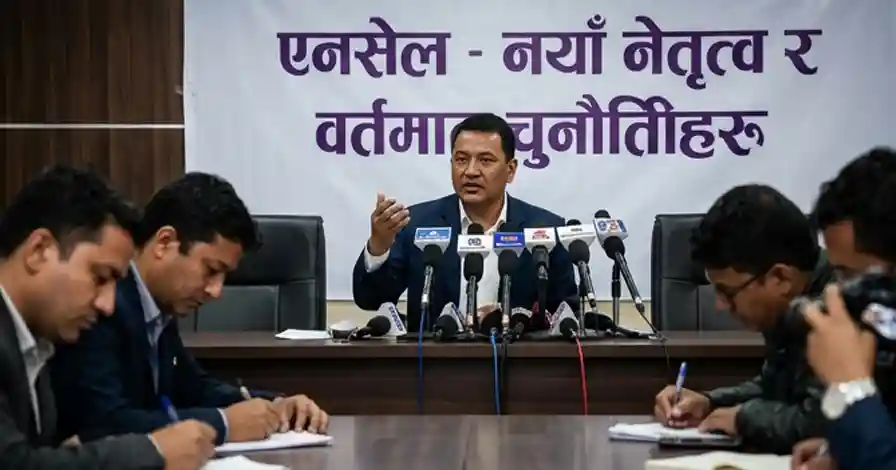
A Recurring Pattern: Ncell’s Long History of Ownership and Regulatory Disputes
Ncell, Nepal’s first private-sector telecom operator, has been at the center of controversy for years — well before Foley’s arrival. The company’s ownership has changed hands multiple times since it began operations in 2005, and its 2023 sale from Axiata to Spectrlite UK triggered immediate legal challenges, including an interlocutory order from the Patan High Court temporarily halting the sale and a Public Accounts Committee directive urging the government to pause the transaction pending investigation.
In a separate ruling, the Supreme Court also directed the NTA to more effectively regulate all licensed telecom operators and instructed Ncell to comply strictly with the Telecommunications Act, associated regulations, and its license conditions — after finding that the 2023 share transaction had gone ahead without the NTA’s prior approval, despite repeated regulatory correspondence.
Against this backdrop of unresolved ownership disputes, tax liabilities, and now a fresh legal fight over the Sharma report, Foley’s abrupt departure adds yet another chapter to Ncell’s turbulent recent history — and raises fresh questions about the company’s leadership stability going forward.
What Happens Next for Ncell?
With Dilli Ram Shrestha now holding full interim authority, Ncell’s immediate priority will be maintaining operational continuity for its millions of subscribers across Nepal while the board searches for a permanent Ncell CEO. The company will also need to navigate the ongoing Supreme Court proceedings over the Tanka Mani Sharma report, which remain unresolved pending the government’s written response and a final judicial decision.
For Nepal’s broader foreign investment climate, Foley’s resignation — and his explicit public framing of it as a response to an unworkable business environment — is likely to draw continued attention from investors, diplomats, and policymakers watching how the government balances regulatory oversight with its stated ambitions to attract foreign capital.
Frequently Asked Questions About Michael Foley’s Ncell Resignation
Q: Why did Ncell CEO Michael Foley resign? A: Foley cited a lack of a workable foreign investment environment in Nepal, reportedly influenced by legal action the government pursued against banks and service providers involved in the Smart Telecom property auction case.
Q: Who is the new CEO of Ncell? A: Dilli Ram Shrestha, previously Ncell’s Chief Corporate and Regulatory Affairs Officer, has been appointed interim Ncell CEO with full executive authority until a permanent Ncell CEO is named.
Q: How long was Michael Foley CEO of Ncell? A: Foley served as Ncell CEO for approximately 10 months, having been appointed effective November 1, 2025, and resigning effective August 25, 2026 (Bhadra 9).
Q: What is the Tanka Mani Sharma report? A: It is the report of a government-appointed investigation committee that examined the 2023 sale of Ncell’s shares from Axiata to Spectrlite UK. Ncell has gone to the Supreme Court to block the report’s public release, and the court has issued an interim order in the company’s favor.
Q: Has Ncell commented on Foley’s resignation? A: Ncell has not issued a detailed public statement on the specific reasons behind Foley’s departure, though it has formally notified the Nepal Telecommunications Authority of the leadership transition.
This report is based on Ncell’s regulatory disclosures and additional reporting on Ncell’s ownership disputes and legal proceedings from Kathmandu Post, Khabarhub, Fiscal Nepal, and Nepal News.

Economic Affair
- Budhigandaki Flood: 47 Rescued as Bridges Washed Away
- Nepal Supreme Court Handcuff Order: Police Barred From Routine Use
- 250+ Officials Deploy to Assess Rasuwa-Bhotekoshi Flood Damage
- Electricity VAT: Energy and Finance Ministers Strike Landmark Deal After Just 2 Months
- Nepal Inflation Shockingly Triples to 5.96% — Food and Transport Hit Hardest


Comments