


A year has passed since Nepal’s Gen Z protests shook Kathmandu to its core, yet the anniversary arrives without much time for reflection. A fresh disaster on the Trishuli River has reopened old wounds even as the country tries to measure how much the political uprising that toppled a government has actually delivered.
A Nation Marking Two Disasters in the Same Month
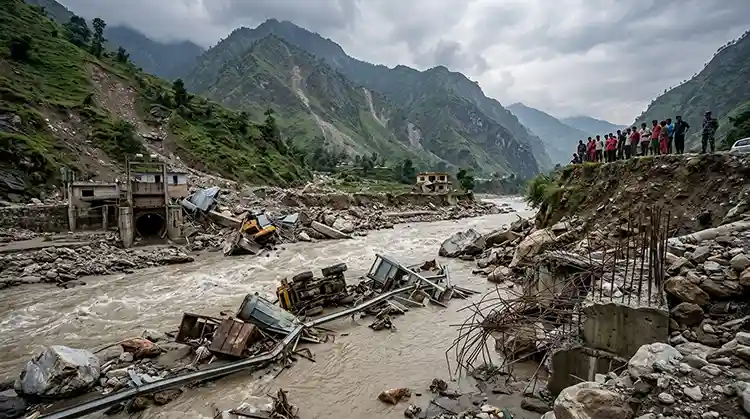
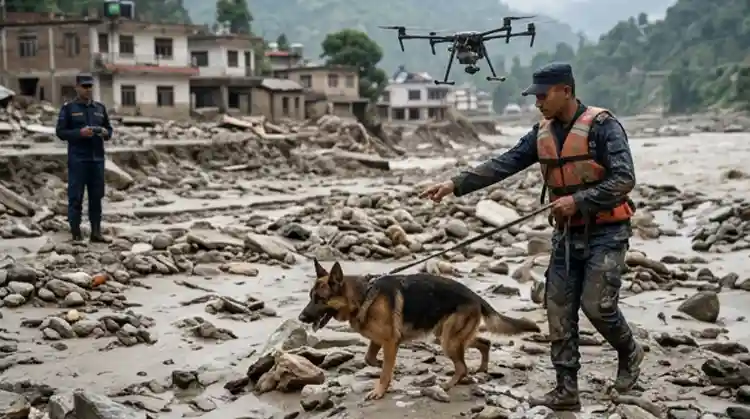
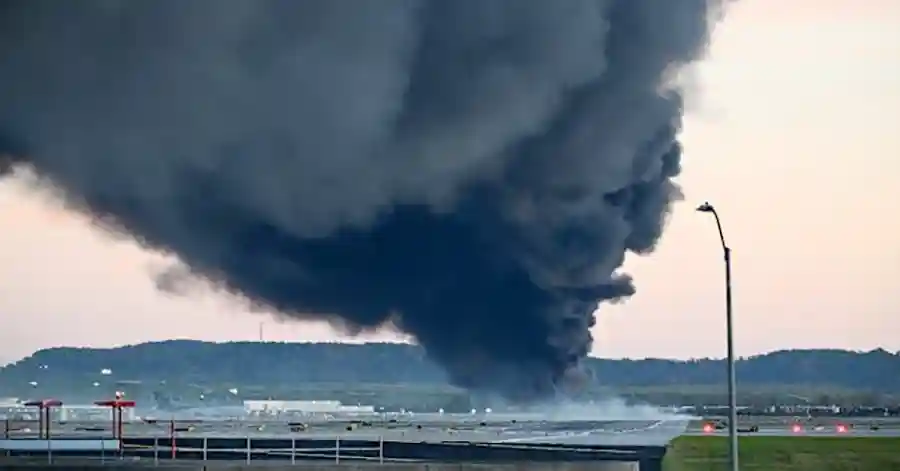
This year, the anniversary of the uprising overlaps with grief over a new tragedy. In late August 2026, a glacier collapse on the Nepal-Tibet border sent a massive flash flood down the Trishuli River, killing hundreds of people and destroying thousands of homes in Rasuwa, Nuwakot and neighboring districts, according to Al Jazeera and CNN. Villages such as Syafrubesi and Timure were buried under mud and debris, and the death toll climbed past 469 within days. For many Nepalis, the timing feels symbolic: a country still rebuilding its politics is once again rebuilding its homes.
The September 2025 Uprising That Changed Everything
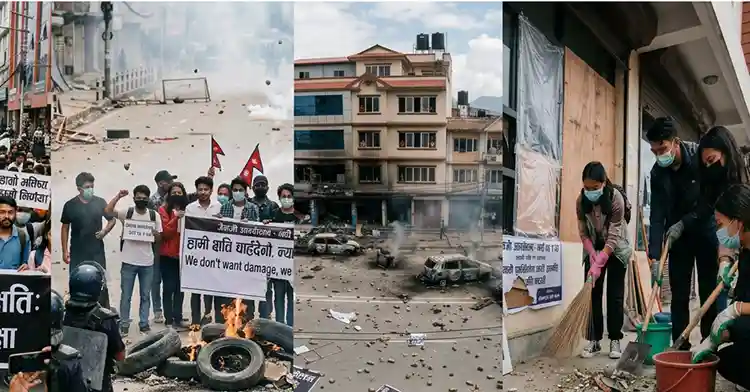
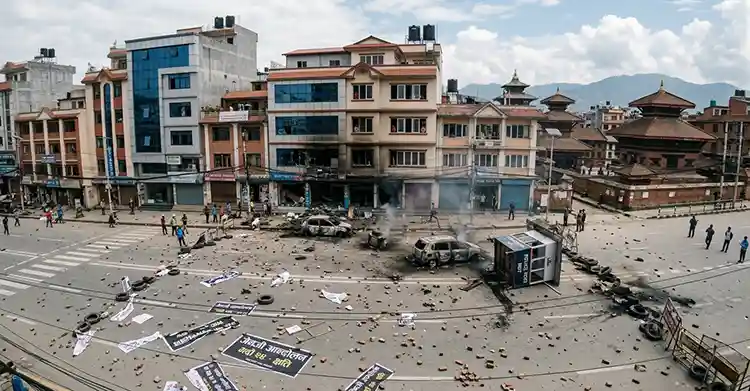
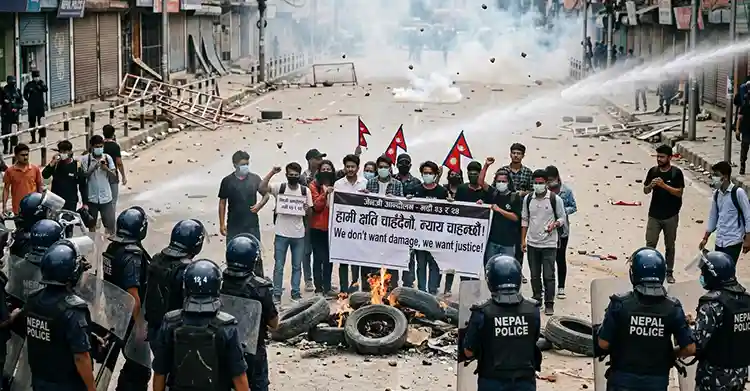
The Gen Z protests of September 8–9, 2025 began as anger over a government ban on social media platforms, but they quickly became a referendum on years of corruption, nepotism and economic frustration among young Nepalis. Clashes between demonstrators and security forces turned deadly, and by the time the unrest subsided, dozens of protesters had been killed and Nepal’s parliament building was in flames, per Britannica. Then-Prime Minister K.P. Sharma Oli resigned on September 9, 2025, ending one of Nepal’s most powerful political careers almost overnight.
Buildings Burned, Institutions Shaken
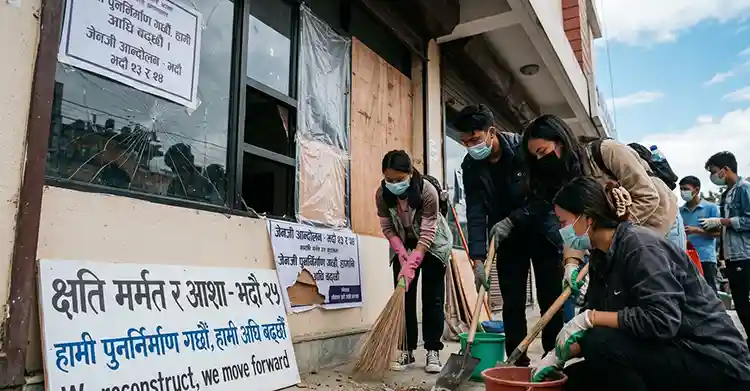
Beyond the human toll, the protests damaged symbols of the state itself — the parliament building, government secretariats and the residences of senior leaders were vandalized or set ablaze. Critics at the time argued that the destruction went beyond legitimate protest, with looting and arson blamed on opportunists who exploited the chaos, even as the underlying anger driving the movement was widely seen as justified.
Sushila Karki’s Interim Government and the March 2026 Election
Amid the crisis, protest leaders coalesced around Sushila Karki, Nepal’s first female Chief Justice, as a consensus choice to lead an interim government. She was sworn in as Nepal’s first woman prime minister on September 12, 2025, and immediately called for parliament to be dissolved and fresh elections held, according to the Harvard T.H. Chan School of Public Health’s analysis of the uprising. Karki’s caretaker administration also declared protesters killed during the unrest as “martyrs,” pledging compensation to their families.
Balen Shah’s Landslide Win and KP Oli’s Historic Defeat
The general election held on March 5, 2026 delivered a political earthquake. Kathmandu’s rapper-turned-mayor Balendra “Balen” Shah led the Rastriya Swatantra Party (RSP) to a historic supermajority, winning 182 of 275 seats — the second-best result in Nepal’s electoral history, per Wikipedia’s election data. In one of the campaign’s most striking moments, Shah personally defeated four-time Prime Minister KP Sharma Oli in Oli’s own Jhapa-5 stronghold, a seat Oli had held for decades, according to France 24. Nepal’s older establishment parties, including the Nepali Congress and Oli’s CPN-UML, were reduced to a fraction of their previous strength.
A Painful Reckoning for Nepal’s Old Guard
The old guard’s fall from power was not limited to Oli. Nepali Congress leader Gagan Thapa, once seen as a rising reformist voice, lost his own bid for party leadership in the post-uprising realignment. During the height of the September unrest, the residence of veteran leader Sher Bahadur Deuba was stormed, and his wife, then-Foreign Minister Arzu Rana Deuba, was reportedly assaulted amid the chaos — an episode that came to symbolize how completely public trust in the old political class had collapsed.
Has the Promised Change Actually Arrived?
Supporters of the movement point to the historic election results and the rise of younger, outsider leadership as proof that Nepal’s politics have genuinely shifted. Skeptics counter that toppling old leaders is easier than building better governance, and they note that many of the country’s core challenges — sluggish public services, weak federalism, and slow disaster response, starkly exposed by the 2026 Trishuli flood — remain unresolved.
What Comes Next for Nepal
One year on, Nepal stands at a genuine crossroads. The Gen Z movement succeeded in removing entrenched leaders and installing a new generation in power through the ballot box rather than the battlefield. Whether that translates into safer infrastructure, cleaner governance and real economic opportunity for the youth who drove the uprising is the question that will define whether September 2025 is remembered as the start of lasting reform — or merely the first chapter of a longer struggle.

Economic Affair
- Budhigandaki Flood: 47 Rescued as Bridges Washed Away
- Nepal Supreme Court Handcuff Order: Police Barred From Routine Use
- 250+ Officials Deploy to Assess Rasuwa-Bhotekoshi Flood Damage
- Electricity VAT: Energy and Finance Ministers Strike Landmark Deal After Just 2 Months
- Nepal Inflation Shockingly Triples to 5.96% — Food and Transport Hit Hardest


Comments