








The United States says it is prepared to keep its naval blockade on Iran running indefinitely, and is preparing a fresh wave of economic sanctions against Tehran, as ceasefire negotiations stall, global oil supply tightens, and tensions across the Middle East climb sharply higher.
Speaking on Thursday, senior US officials signaled no near-term end to the standoff. Defense Secretary Pete Hegseth said the American military has the ships and manpower to sustain its blockade of Iranian ports for as long as necessary, while Treasury Secretary Scott Bessent promised additional financial measures aimed at deepening Iran’s economic isolation. Together, the statements mark one of the clearest signals yet that Washington intends to rely on prolonged pressure rather than a rapid diplomatic breakthrough to resolve the conflict.
Hegseth: Navy Can Sustain the Blockade “Indefinitely”
Speaking to reporters during a trip to Panama, Hegseth said the US Navy’s ability to rotate ships in and out of the region means the blockade has no practical expiration date. He explained that the Navy has sustained the rotation model so far and intends to keep doing so going forward (CBC News).
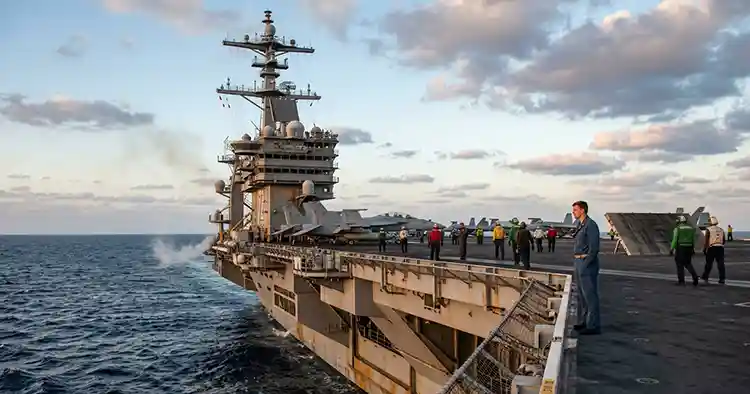
According to reporting from Panama City, Hegseth delivered the remarks after addressing the crew of the USS Gridley, a guided-missile destroyer that had previously served in the Middle East theater (oafnation.com). The comments came alongside reports that the US is preparing to rotate a fresh aircraft carrier, the USS George Washington, into the region to relieve the USS Abraham Lincoln, which has now been deployed for more than 250 days — well beyond its originally scheduled return in May (CNBC).
Scale of the Blockade So Far
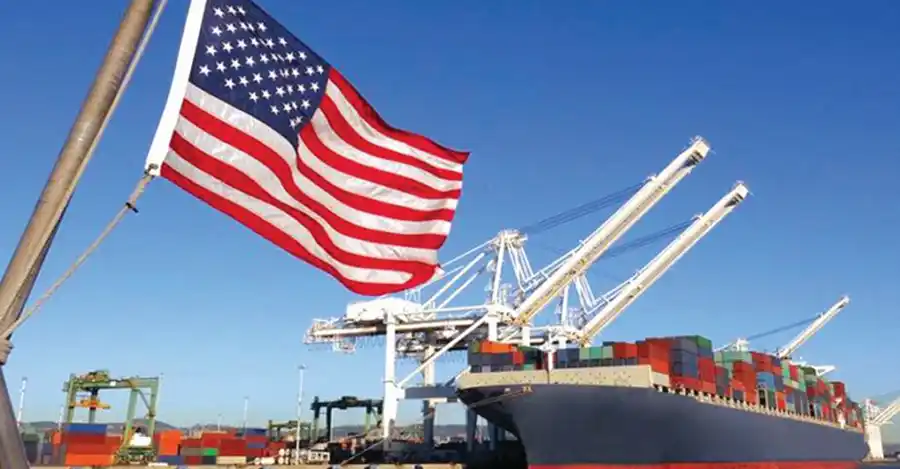
Washington first imposed the naval blockade on Iranian shipping in April 2026, following the collapse of earlier diplomatic efforts. Since then, the US military says it has redirected more than 55 commercial vessels attempting to breach the blockade, disabling three ships and boarding two others. According to figures tracked separately, US Central Command reports roughly 85 vessels intercepted since the blockade began, while shipping analytics firm Lloyd’s List estimates around 26 vessels have managed to bypass the cordon altogether (Wikipedia: 2026 United States naval blockade of Iran). US officials have estimated the blockade is costing Iran roughly $500 million per day in lost trade and oil revenue.
Bessent: New Sanctions “Never Seen” Before
Treasury Secretary Scott Bessent used a Thursday appearance on Newsmax’s “Rob Schmitt Tonight” to preview additional financial measures against Iran, telling the host to expect further announcements the following week. He described the coming steps as economic isolation on a scale not previously applied to any country, framing the strategy as a combination of expanded sanctions and the continued Strait of Hormuz blockade working in tandem (Arab News).
Bessent’s comments suggest the administration is leaning further into economic and financial pressure rather than expanded military escalation, a distinction Trump himself appeared to underline earlier in the week when he suggested he would rely more heavily on economic tools going forward rather than ordering new strikes.
Why Ceasefire Talks Have Stalled
The current standoff traces back to a tentative ceasefire reached in June 2026, which briefly paused the fighting but ultimately failed to produce a lasting settlement. With that agreement now in tatters, Iran has sought to regain leverage over Washington by asserting control over the Strait of Hormuz — the narrow waterway between Iran and the Arabian Peninsula through which roughly a fifth of the world’s oil and liquefied natural gas passed before the war began in February 2026.
Tehran has said it will not allow normal shipping through the strait to resume until several conditions are met, including the removal of economic sanctions and the release of frozen Iranian assets. The US, for its part, briefly lifted its blockade on Iranian shipping and ports for about a month in mid-June, hoping to encourage a diplomatic opening, but reimposed it after talks broke down — once again cutting off one of Tehran’s primary sources of hard currency.
A Ceasefire That Ended Bombing but Not the War
Washington’s earlier ceasefire, declared in April 2026, halted a period of intense bombing of Iranian targets in exchange for the start of peace negotiations. Those talks have since failed to produce a durable resolution. Asked directly whether that ceasefire decision looked, in hindsight, like a strategic mistake, Hegseth declined to answer, saying only that the administration is focused on preventing Iran from ever acquiring a nuclear weapon.
Attacks in the Strait of Hormuz Escalate
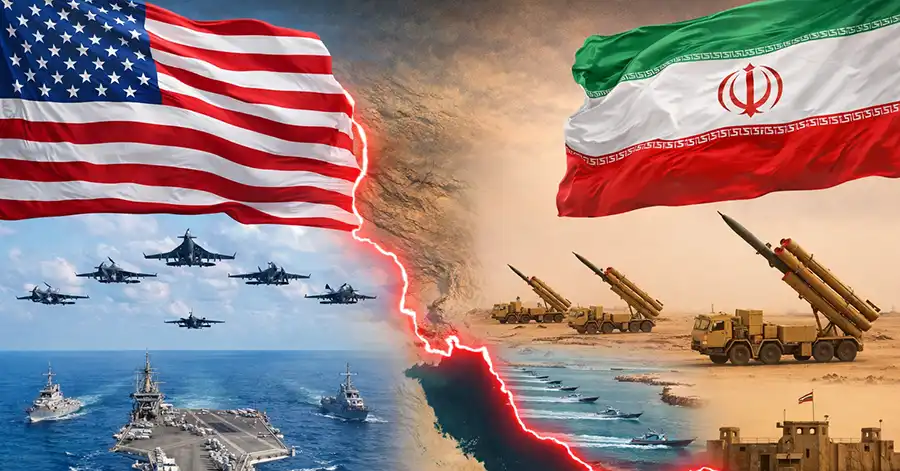
The standoff has produced a rising number of direct confrontations at sea. On Thursday evening, two vessels belonging to the state-owned Abu Dhabi National Oil Company were attacked while transiting the strait, according to the UAE’s state news agency, WAM. The United Arab Emirates government characterized the incident as an Iranian attack, adding to a string of similar episodes targeting commercial shipping attempting to move through the waterway.
The disruption is visible in the shipping data. Traffic through the Strait of Hormuz fell to just eight vessels on one recent Tuesday, compared with a 10-day average of roughly 12 vessels and a pre-war baseline of 130 to 140 ships passing through daily. The US military has also sustained losses enforcing the blockade: the Washington Post has reported that American forces have lost at least 45 MQ-9 Reaper drones during the conflict — roughly a quarter of the fleet used for surveillance and strike operations around the strait (Iran International).
Trump’s “Total Control” Claim
President Donald Trump has repeatedly asserted that the United States maintains “total control” over the Strait of Hormuz, a claim Iranian officials have consistently denied. Iran continues to insist that it will not permit the waterway to reopen to normal traffic until Washington agrees to lift sanctions and release frozen Iranian financial assets held abroad.
Global Oil Supply Is Shrinking Fast
The economic fallout from the conflict is becoming harder to ignore. The International Energy Agency (IEA) said this week that it now expects global oil supply to fall by 4.3 million barrels per day this year — a drop of roughly 4% — a sharper decline than the agency had projected just a month earlier, when it forecast a 3.7 million barrel-per-day shortfall.
Despite the supply concerns, oil prices actually settled down more than 2% on Thursday after a week of gains, as traders weighed signs of softer global demand against a sharp build in US crude inventories. That relative calm didn’t last long: reports that Yemen’s Iran-aligned Houthi movement had targeted a Saudi Aramco refinery with drones rattled markets soon after, reviving fears that the conflict could widen into a broader regional war involving multiple Gulf states.
Economists tracking the conflict have warned of a sharp slowdown in global growth as a result of the war, with some regions potentially tipping into recession if fighting and the associated blockade continue much longer. Several analysts have cautioned that the longer the standoff drags on, the more its economic costs are likely to compound, both for the countries directly involved and for the broader global economy still recovering from earlier energy-price shocks.
Political Pressure Builds on Trump at Home
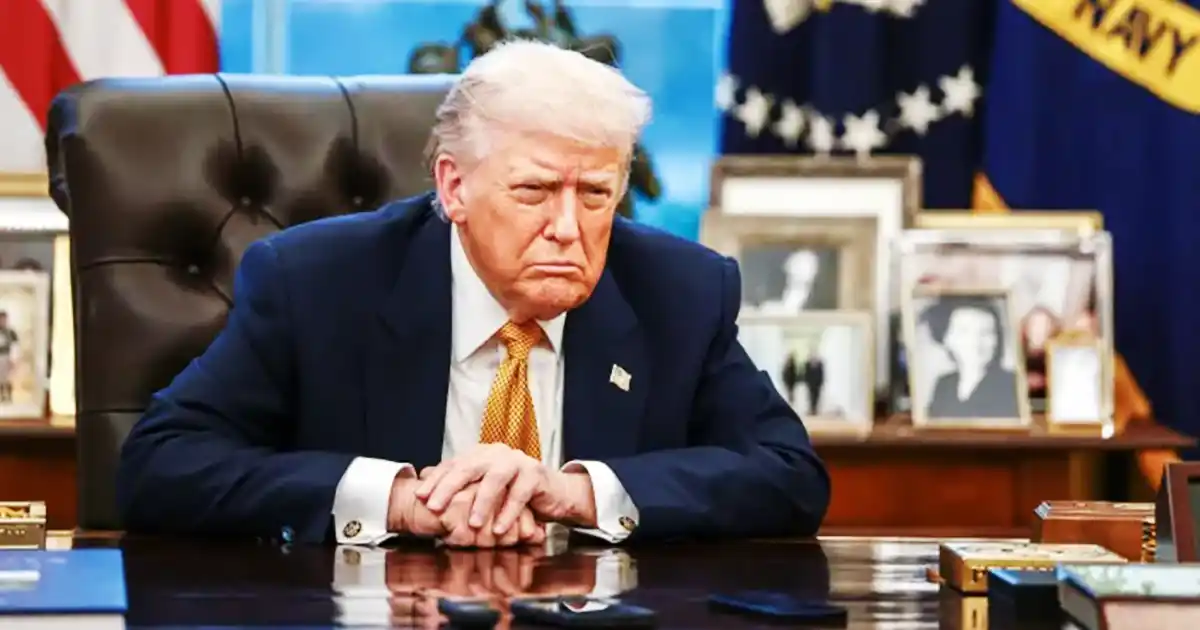
The war is increasingly becoming a domestic political liability for President Trump. High fuel prices tied to the conflict have weighed on his approval ratings, and there are growing concerns within his own party that continued economic strain could hurt Republican prospects in the November midterm elections, when control of Congress is at stake.
That domestic pressure appears to be shaping the administration’s strategy. Rather than escalating with ground troops, seizing strategic islands, or striking desalination infrastructure — all options Trump has floated at various points — the administration now appears to be leaning toward economic pressure as its primary lever, betting that sustained financial isolation will eventually force Tehran back to serious negotiations without requiring a further expansion of the military campaign.
The Economic Toll on Iran
Beyond the headline figures, the blockade’s core purpose has been to choke off Iran’s access to oil revenue, historically the backbone of the country’s economy and its main source of foreign currency. With ports effectively sealed to normal commercial traffic for most of the year, Iran has had limited ability to export crude to its traditional buyers, forcing the government to rely more heavily on reserves, informal trade routes, and whatever workarounds its shipping partners are willing to risk.
US officials have pointed to the estimated $500 million-a-day cost to Iran as evidence the strategy is working, arguing that sustained financial pressure — rather than further military strikes — is the more sustainable way to force Tehran back to serious negotiations. Critics of the approach, however, note that comparable sanctions campaigns against Iran in the past have often taken years to produce diplomatic results, and that prolonged blockades carry their own risks of escalation, particularly given the recent uptick in direct attacks on commercial vessels.
Regional and International Reaction
The escalation in the Strait of Hormuz has drawn concern well beyond Washington and Tehran. The United Arab Emirates’ public condemnation of the attack on its state oil company’s vessels underscores how the conflict is increasingly drawing in Gulf states that are not formal parties to the US-Iran war but depend heavily on unimpeded shipping through the strait for their own energy exports.
Saudi Arabia, too, has found itself more directly exposed, following reports that Houthi forces targeted an Aramco refinery with drones. Because Saudi Arabia and the UAE are both major global oil exporters, any sustained disruption to their own infrastructure or shipping lanes would compound the supply losses already being felt as a result of the Iran blockade, adding further strain to an oil market already absorbing a steeper-than-expected drop in global supply.
International energy analysts have cautioned that the risk calculus could shift quickly if attacks on shipping continue to escalate, potentially prompting insurers to raise war-risk premiums for vessels transiting the strait, or discouraging shipping companies from attempting the route altogether — a dynamic already visible in the sharp drop in daily vessel traffic through the waterway compared with pre-war levels.
Timeline: How the US-Iran Standoff Escalated
- February 2026 — War between the US and Iran begins, disrupting regular shipping through the Strait of Hormuz.
- April 13, 2026 — The US declares a ceasefire, pausing high-tempo bombing of Iranian targets, and separately imposes a formal naval blockade on Iranian ports after the Islamabad Talks fail to produce a lasting settlement.
- Mid-June 2026 — A tentative deal to end the war is reached; Washington briefly lifts the blockade for about a month to support the diplomatic opening.
- Late June/July 2026 — The tentative deal unravels; the US reimposes the blockade, once again cutting off Iran’s access to hard currency from oil exports.
- August 2026 — Hegseth and Bessent signal the blockade and sanctions regime will continue indefinitely, as attacks on commercial shipping in the Strait of Hormuz intensify and global oil-supply forecasts worsen.
What Happens Next?
With ceasefire talks effectively frozen, the coming weeks are likely to center on two tracks: the promised new US sanctions package, expected to be detailed in the days ahead, and the continued military standoff in the Strait of Hormuz, where both direct attacks on shipping and the risk of wider regional escalation — particularly involving Houthi forces and Saudi energy infrastructure — remain live concerns.
For now, officials in Washington appear committed to a strategy of sustained pressure rather than rapid escalation or a quick negotiated exit, even as the economic costs mount for global energy markets, for Iran’s economy, and increasingly for Trump’s own political standing at home.
Frequently Asked Questions
Why did the United States impose a naval blockade on Iran? The blockade was formally imposed in April 2026 after the Islamabad Talks failed to produce an end to the wider US-Iran war that began in February 2026, and after Iran continued efforts to control shipping through the Strait of Hormuz.
How long can the US maintain the Iran blockade? According to Defense Secretary Pete Hegseth, the US Navy can sustain the blockade indefinitely by rotating ships in and out of the region, a model it says it has already used successfully.
What new sanctions has the US threatened against Iran? Treasury Secretary Scott Bessent has said additional details on a new sanctions package will be announced in the coming days, describing the measures as a historically unprecedented level of economic isolation targeting Iran.
How is the war affecting global oil prices and supply? The International Energy Agency now forecasts global oil supply will fall by about 4.3 million barrels per day this year, a steeper decline than previously projected, even as short-term oil prices have fluctuated on mixed demand signals.
Is the conflict at risk of spreading to other countries? Recent incidents, including a reported Houthi drone attack on a Saudi Aramco refinery and attacks on UAE-owned tankers in the Strait of Hormuz, have raised concerns among economists and regional officials about a wider Gulf conflict.

Economic Affair
- Budhigandaki Flood: 47 Rescued as Bridges Washed Away
- Nepal Supreme Court Handcuff Order: Police Barred From Routine Use
- 250+ Officials Deploy to Assess Rasuwa-Bhotekoshi Flood Damage
- Electricity VAT: Energy and Finance Ministers Strike Landmark Deal After Just 2 Months
- Nepal Inflation Shockingly Triples to 5.96% — Food and Transport Hit Hardest




Comments