



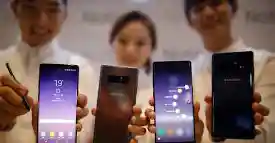
In a world where smartphones connect us globally, North Korean smartphones represent the complete opposite—devices designed not for connection, but for control. Popular tech YouTuber MrWhosetheBoss recently revealed an in-depth review of two smuggled North Korean phones: the Pyongyang 701 and the flagship Samtesung 8, exposing a chilling reality of digital dictatorship.
These rare devices, smuggled out at great personal risk, showcase how technology can be weaponized for oppression rather than liberation. The findings reveal sophisticated surveillance mechanisms and censorship tools built directly into the phone’s operating system.
The Copycat Flagship: Samtesung 8’s Political Statement
Hardware That Tells a Story
The Samtesung 8 represents North Korea’s most expensive smartphone, priced around $1,000 USD (approximately 135,000 Nepali Rupees). The name itself is a political statement—while South Korea’s Samsung means “three stars,” North Korea’s Samtesung translates to “three giant stars,” implying superiority over its southern neighbor.
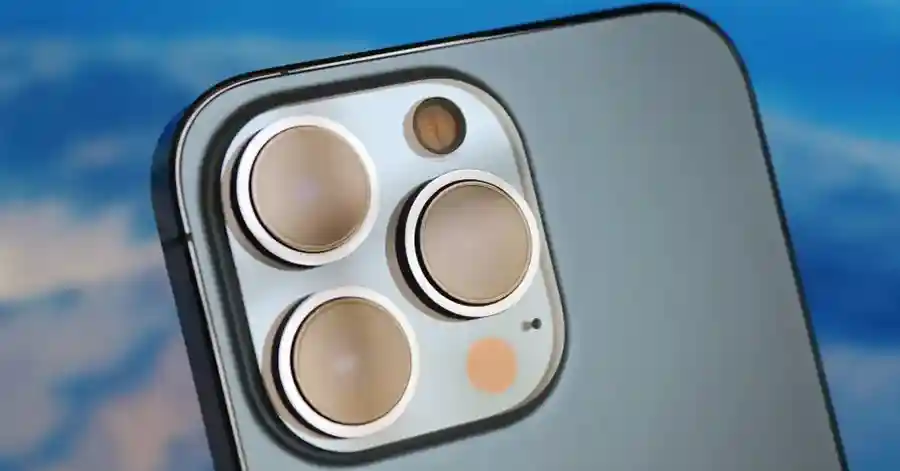
However, the hardware reveals a different story. The device appears nearly identical to Huawei’s Nova 9 or Mate 30 series from 2021, suggesting either covert Chinese supply chains or blatant design copying. A watermark labeled “Heinitron” found in the software confirms Chinese-sourced components.
Outdated Technology at Premium Prices
Despite its flagship status, the Samtesung 8 runs on Android 11—a five-year-old operating system by global standards. The advertised 64-megapixel cameras produce surprisingly poor image quality, and the multiple rear lenses are merely decorative, lacking modern features like zoom or ultra-wide capabilities.
According to tech industry reports, this represents technology that would be considered mid-range even in developing markets, sold at premium flagship prices.
The Most Disturbing Feature: Keyboard Censorship and Thought Control
Auto-Correct That Changes Reality
The most alarming aspect of North Korean smartphone technology isn’t hardware—it’s the keyboard’s auto-correct function that actively manipulates user input.
When users attempt to type “Namhan” (the neutral term for South Korea), the system automatically changes it to derogatory terms. Attempting to write “Republic of Korea” results in the text being replaced with asterisks (***). Meanwhile, North Korea can only be referred to as “Joseon”—no alternative terms are permitted.
Cultural Terms Transformed into Political Tools
The Korean cultural term “Oppa” (meaning older brother, commonly used affectionately) is automatically changed to “Comrade” when typed. A red warning message appears stating: “This word can only be used for blood relatives.”
Even more disturbing: when typing the names of North Korean leaders like Kim Jong Un, the font automatically enlarges and bolds—programming literal worship into the operating system itself.
Wi-Fi Illusion and Internet Isolation
The “Mirae” Network: North Korea’s Closed Internet
Unlike global smartphones that connect to the worldwide web, North Korean phones access only “Mirae”—a government-controlled intranet. Even accessing this limited network requires:
- Government-issued identification
- Special approved SIM cards
- Complete tracking of all online activity
Connection speeds range from just 2-33 Mbps, providing access only to government propaganda sites, approved old films, and limited applications. Popular platforms like Google, YouTube, and Wikipedia are completely blocked.
Physical Wi-Fi Restrictions
The budget model Pyongyang 701 displays a Wi-Fi icon that simply doesn’t function. The flagship Samtesung 8 has Wi-Fi settings completely hidden by the government. This isolation ensures citizens never glimpse the developed, free world outside their borders.
Intellectual Property Theft: Stolen Icons and Censored Content
Pirated Design Elements Everywhere
Despite international sanctions preventing legal software purchases, North Korean smartphones feature widespread intellectual property theft:
- App icons stolen directly from Google, Microsoft, Huawei, and Apple
- “Mobi Office” using Microsoft Word’s logo
- Preloaded football games with South Korean players digitally removed
For example, Tottenham Hotspur’s star player and South Korean captain Son Heung-min has been completely erased from the game—preventing citizens from seeing South Koreans succeeding globally.
Selective International Content
Amazon Prime documentaries and Netflix-style videos appear with changed banners and titles, rebranded as North Korean content. American and South Korean films are completely banned, while Russian and Indian films (like “3 Idiots”) are readily available.
Digital Taxation: The App Store Exploitation
Pay-to-Use Government Services
In one of the world’s poorest nations—where per capita income is just 3.4% of South Korea’s—citizens face a cruel “digital tax” system. Apps cannot be downloaded directly from app stores; users must visit physical shops to install applications.
More perversely, apps have expiration dates. After 6 months to 1 year, apps stop functioning and require payment to reactivate—including government apps teaching law and general knowledge. For citizens struggling with hunger, this represents exploitative digital extortion.
Red Flag Spyware: The Ultimate Surveillance Tool
Automatic File Scanning and Deletion
The most dangerous feature is “Red Flag“—surveillance software embedded deep in the operating system. This spyware:
- Scans every file’s digital signature entering the phone
- Immediately deletes any file without government encryption
- Prevents foreign films, music, or PDF files from being accessed
- Blocks all external information from reaching citizens
Random Screenshot Surveillance
Perhaps most chilling: Red Flag automatically captures random screenshots while users operate their phones—gaming, reading, or typing. These screenshots accumulate in a special folder that users can view but cannot delete, hide, or edit.
While it’s unclear if screenshots transmit directly to authorities, the psychological terror is immediate. During any police phone inspection, suspicious screenshots could lead to severe consequences. According to Human Rights Watch reports, unauthorized media consumption in North Korea can result in imprisonment or worse.
The Broader Implications: Technology as Control
When Connectivity Becomes Isolation
The 21st century is defined as the information and technology age. Smartphones have transformed the world into a global village where we access any corner’s news with one click and freely share our thoughts on social media.
Yet North Korea demonstrates technology’s dark potential—where smartphones become “digital handcuffs” rather than tools of freedom. The regime understands that the day citizens access the open internet and see the developed, free outside world, questions about their authority will emerge.
Therefore, they’ve deliberately transformed technology from a tool of connectivity into an instrument of isolation.
Lessons for Digital Rights Globally
This investigation reveals more than just North Korean smartphone features—it exposes how authoritarian regimes can weaponize consumer technology for population control. As Electronic Frontier Foundation advocates note, digital rights and privacy protections remain crucial battlegrounds worldwide.
Conclusion: The Human Cost of Digital Dictatorship
North Korean smartphones like the Samtesung 8 and Pyongyang 701 represent technological achievement perverted into oppression. Every feature—from censored keyboards to surveillance screenshots—reflects a government terrified of its own citizens accessing truth.
While we enjoy instant global communication, millions live under “digital dictatorship” where their own phones spy on them, manipulate their words, and block their access to information. These smuggled devices provide rare evidence of technology’s capacity for both liberation and control.
The question remains: As surveillance technology advances globally, what lessons should the free world learn from North Korea’s dystopian smartphone systems?
Sources:
- Original review by MrWhosetheBoss: Testing North Korea’s Illegal Smartphones
- Human rights documentation: Human Rights Watch – North Korea
- Digital rights advocacy: Electronic Frontier Foundation
- Mobile technology standards: GSMArena

Economic Affair
- Budhigandaki Flood: 47 Rescued as Bridges Washed Away
- Nepal Supreme Court Handcuff Order: Police Barred From Routine Use
- 250+ Officials Deploy to Assess Rasuwa-Bhotekoshi Flood Damage
- Electricity VAT: Energy and Finance Ministers Strike Landmark Deal After Just 2 Months
- Nepal Inflation Shockingly Triples to 5.96% — Food and Transport Hit Hardest



Comments