








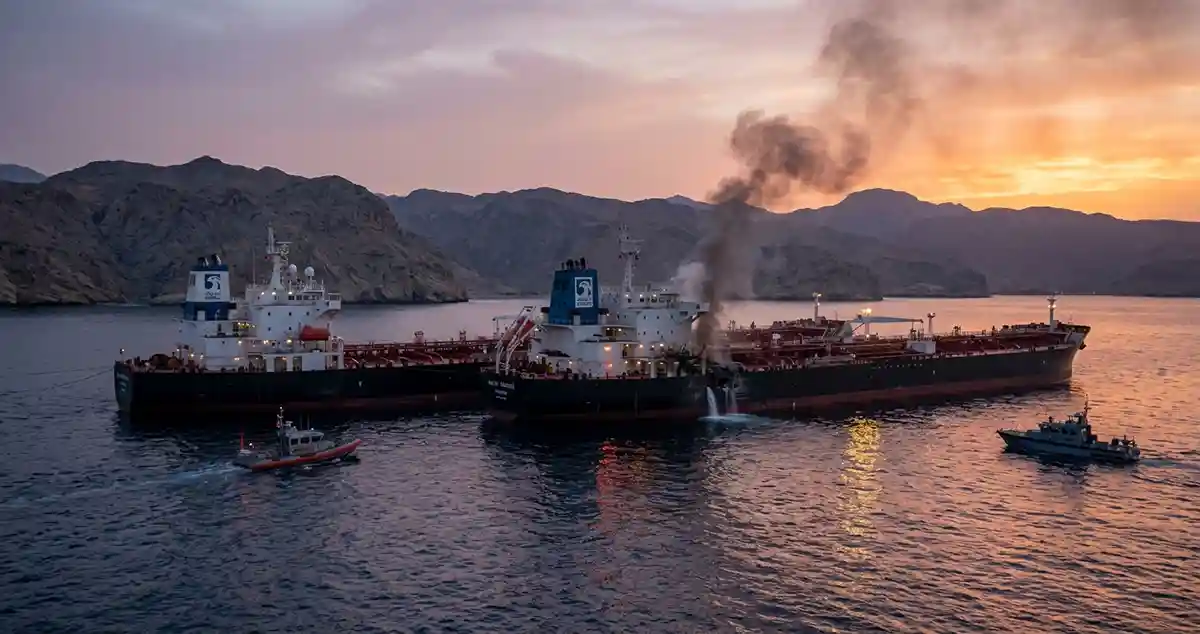
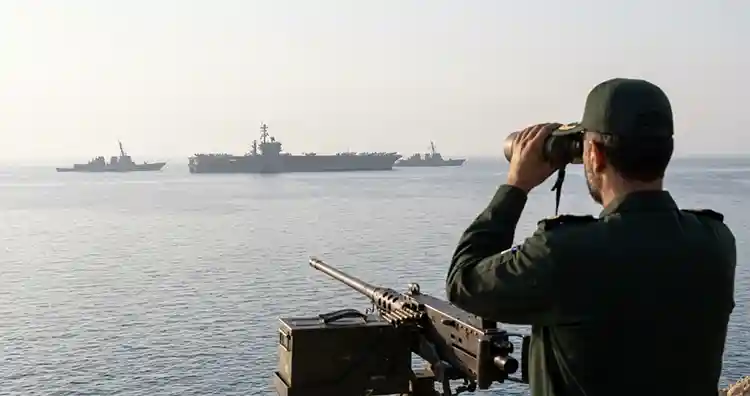
Traffic through the Strait of Hormuz has slowed to a near-standstill after two more tankers came under attack this week, and the United States says it is prepared to keep its naval blockade of Iran in place indefinitely. The escalation comes as talks aimed at building on a June truce have stalled, deepening a months-long confrontation that has already reshaped global energy markets.
With no breakthrough in sight, Washington is now signaling it will lean harder on economic pressure rather than further military strikes — a shift that could reshape the endgame of the conflict in the weeks ahead.
Two More Tankers Attacked, Traffic Grinds to a Halt
Two vessels operated by the state-owned Abu Dhabi National Oil Company (ADNOC) came under attack while transiting the strait on Thursday evening, according to the UAE’s state news agency. The United Arab Emirates government pinned responsibility on Iran, which did not immediately respond to the accusation.
The UAE’s Ministry of Foreign Affairs condemned the incident in strong terms, with ADNOC confirming two of its vessels were attacked while transiting the waterway and adding that the situation had since been stabilized, according to Al Jazeera. No injuries were reported.
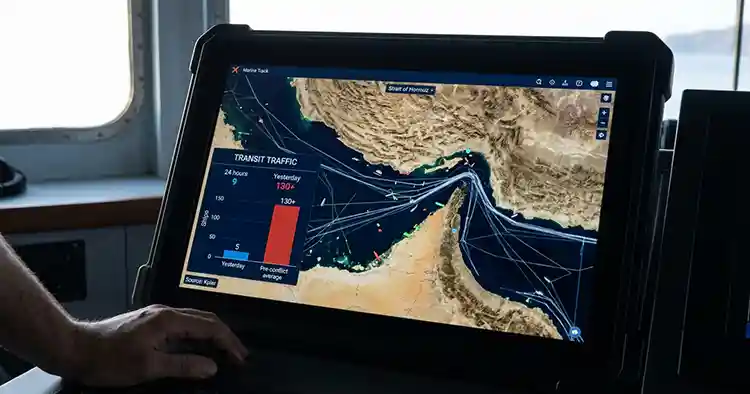
Ship-tracking data shows just how dramatically traffic has collapsed. Only nine vessels passed through the narrow waterway on Thursday — up slightly from five on Wednesday, but still well below the roughly 12-per-day average typically seen in August, according to tracking firm Kpler. Early Friday, tracking data showed no visible crossings at all. Before the war between the US, Israel, and Iran broke out in February 2026, more than 130 ships a day routinely passed through the strait.
Some vessels may still be slipping through with their transponders switched off to avoid detection, but even accounting for that, the numbers reflect an unprecedented slowdown in one of the world’s busiest shipping lanes.
Why the Strait of Hormuz Still Matters So Much
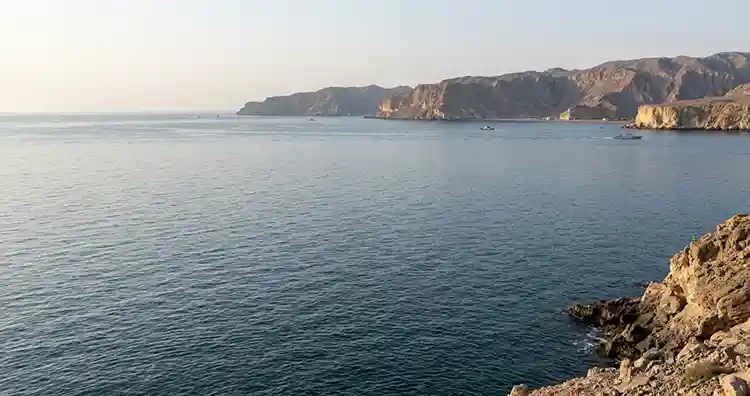
The Strait of Hormuz is widely regarded as the world’s single most important oil chokepoint. Roughly a fifth of global oil and liquefied natural gas shipments passed through the waterway before the current conflict began, and its closure has already triggered ripple effects across global energy markets. According to Wikipedia’s ongoing tracker of the crisis of the world’s seaborne oil trade and 20% of the world’s liquefied natural gas passed through the strait before the war disrupted normal shipping.
Iran’s ability to restrict or threaten shipping through the strait has become one of its few remaining points of leverage in the standoff. Torbjorn Solvedt, principal Middle East analyst at risk intelligence firm Verisk Maplecroft, has described the ability to restrict shipping as Iran’s central bargaining chip alongside threats to regional energy infrastructure.
US Says It Can Maintain the Blockade “Indefinitely”
US Defense Secretary Pete Hegseth reiterated this week that the American military has no plans to ease its naval blockade of Iran. Speaking to reporters during a trip to Panama, Hegseth said the US Navy could sustain the blockade indefinitely by rotating ships in and out of the region as needed.
That blockade, which Washington reimposed after a brief one-month suspension in mid-June, has cut off one of Iran’s primary sources of hard currency and compounded the economic damage from wartime strikes on the country’s energy infrastructure. According to Wikipedia’s tracker on the naval blockade, CENTCOM figures cited put the toll at roughly vessels intercepted and costing Iran an estimated $500 million daily, though Lloyd’s List data suggests dozens of vessels have still managed to bypass the blockade.
The blockade has not been without confrontation. Just this week, US forces disabled a Panama-flagged cargo vessel, the M/V Vela Nova, by firing missiles into its engine room after the ship allegedly tried to breach the blockade toward an Iranian port. According to CENTCOM’s own account reported by CNN, the vessel’s crew ignored repeated warnings from American forces before a Navy helicopter disabled its steering gear.
Treasury Promises “Unprecedented” New Sanctions
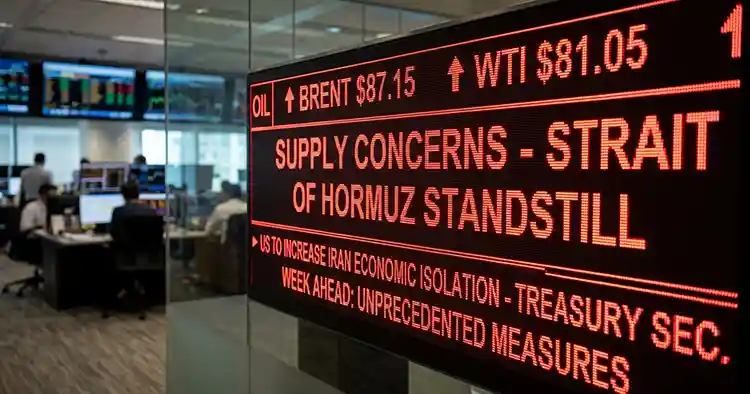
Beyond the naval blockade, the Trump administration is preparing a fresh wave of financial pressure on Tehran. US Treasury Secretary Scott Bessent told Newsmax’s “Rob Schmitt Tonight” that Washington plans to unveil sanctions measures next week unlike anything previously imposed on a nation, describing the intended scale as unprecedented in the history of economic isolation.
The announcement adds to what has already been a sustained campaign of sanctions targeting individuals and entities the US accuses of helping Iran procure weapons — a campaign that, so far, has not been enough to bring Tehran back to serious negotiations.
Trump Faces Political Pressure at Home
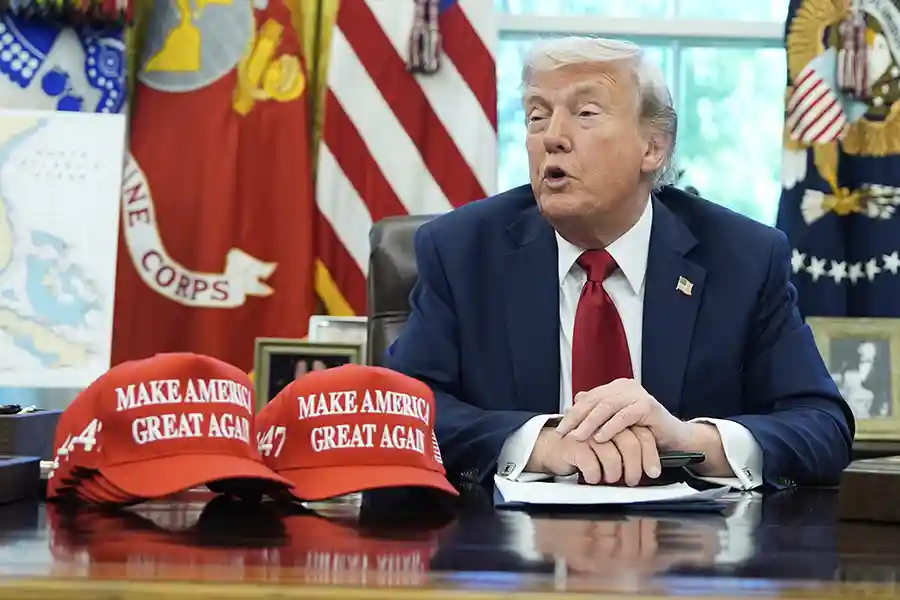
The prolonged conflict is becoming a political liability for President Donald Trump. High fuel prices linked to the disrupted oil trade have weighed on his approval ratings, and there are growing concerns within his own party about the political fallout ahead of the November midterm elections, where control of Congress is at stake.
Trump has repeatedly claimed the US has “total control” of the Strait of Hormuz and that the waterway has effectively reopened — assertions Iran has firmly denied. Independent shipping data, including the sharp drop in daily transits reported this week, undercuts those claims. According to CNBC’s Middle East coverage, Iran continues to insist the strait remains blocked despite the president’s statements.
Rather than escalate militarily, Trump indicated earlier this week that he intends to rely more heavily on economic tools going forward, even as he has periodically threatened harsher military action, including strikes on infrastructure such as desalination plants — options he has so far declined to pursue.
No Breakthrough in Ceasefire Talks
Diplomatic efforts to revive and expand a ceasefire agreement reached in June have stalled. A senior Iranian source told Reuters this week that no real progress had been made in talks aimed at building on that interim deal. Mediators are reportedly discussing whether the US would return to the terms of the June agreement and set a concrete timeline for implementing its commitments — but neither side has indicated a breakthrough is imminent.
Iran, for its part, is not backing down on its conditions for reopening the strait to commercial traffic. Tehran has said normal shipping will not resume until Washington lifts economic sanctions and releases frozen Iranian assets.
On Thursday, an Iranian parliamentary committee approved a formal plan for governing the strait that would explicitly ban the transit of assets and equipment linked to the US, Israel, and other countries Iran considers hostile, according to Iran’s semi-official Tasnim news agency.
A Blockade That’s Been On and Off
The US blockade of Iranian shipping has not been continuous throughout the conflict. Washington lifted the blockade for roughly a month in mid-June, only to reimpose it shortly after, once again cutting off Tehran’s access to hard currency. US officials have said in the past that the blockade would only be lifted for good once Iran and Oman — which sit on opposite sides of the strait — reach an agreement to restore normal commercial shipping.
That agreement has yet to materialize, and with talks stalled, there’s little indication the blockade will be eased again soon.
Oil Prices Edge Higher as Traffic Stalls
Global oil benchmarks ticked up modestly this week amid the renewed disruption. Brent crude futures traded at roughly $87 a barrel, while US West Texas Intermediate hovered around $81 a barrel — both up slightly as traders weighed the near-halt in Hormuz traffic against broader demand signals.
The disruption is also reshaping global energy trade flows. India’s reliance on discounted Russian crude reportedly hit a record high in July, while several Asian refineries — traditionally reliant on Gulf oil supplies routed through Hormuz — moved this week to secure alternative supplies of US crude to hedge against further disruption.
A Widening Regional Conflict
The Hormuz standoff is unfolding against the backdrop of a broader regional conflict that has drawn in multiple fronts. Reports this week that Yemen’s Iran-backed Houthi movement targeted a Saudi Aramco refinery with drones have renewed fears the war could widen further beyond the strait itself.
Separately, CNN has reported that a Saudi-owned commercial vessel was struck by a missile while transiting the Bab al-Mandeb Strait in the Red Sea, killing three crew members — what would be the first confirmed Red Sea fatalities since Houthi forces declared their own blockade of that waterway on July 20. The broader picture, tracked in detail by open-source conflict monitors, shows a war that began with a surprise US-Israeli strike campaign in late February and has since expanded across multiple maritime fronts.
According to background compiled on Wikipedia’s tracker of the broader campaign, the conflict has already produced significant losses on both sides, with at least 17 merchant ships damaged, two merchant ships captured, and 12 seafarers killed or missing since the crisis began in February 2026.
Economic Fallout Could Deepen, Economists Warn
Global economists are increasingly warning that the conflict’s economic costs could escalate sharply if it isn’t resolved soon. Forecasts point to a meaningful drag on global growth, with some analysts warning specific regions could tip into recession if the standoff over the strait drags on much longer.
For now, though, neither side shows clear signs of backing down: Iran is holding firm on its demands to lift sanctions and unfreeze assets before allowing shipping to resume at scale, while the US is doubling down on economic pressure it hopes will eventually force Tehran back to the table.
Key Facts at a Glance
- Two ADNOC-operated tankers were attacked in the Strait of Hormuz on Thursday evening; the UAE blamed Iran.
- Only nine vessels transited the strait Thursday, versus a typical August average of around 12 per day and more than 130 per day before the war.
- US Defense Secretary Pete Hegseth says the naval blockade of Iran can be sustained indefinitely through ship rotations.
- Treasury Secretary Scott Bessent has promised a new round of sanctions next week, describing them as historically unprecedented.
- Brent crude traded near $87/barrel and WTI near $81/barrel amid the disruption.
- Iran’s parliamentary committee approved a plan to bar US-, Israeli-, and other “hostile” nations’ vessels from the strait.
- A senior Iranian source says talks to revive the June ceasefire framework have made no real progress.
- The US briefly lifted its blockade of Iran for about a month in mid-June before reimposing it.
- Trump faces mounting domestic political pressure from high fuel prices ahead of November’s midterm elections.
Sources and Further Reading
- Al Jazeera: UAE accuses Iran of attacks on two ADNOC vessels in Strait of Hormuz
- CNBC: ‘Hormuz remains blocked’ — Iran disputes Trump claims as traffic sinks
- CNN: August 11, 2026 Middle East conflict live updates
- NBC News: Iran makes new strait demands, UAE says a ship was targeted
- Wikipedia: 2026 United States naval blockade of Iran
- Wikipedia: 2026 Strait of Hormuz crisis

Economic Affair
- Budhigandaki Flood: 47 Rescued as Bridges Washed Away
- Nepal Supreme Court Handcuff Order: Police Barred From Routine Use
- 250+ Officials Deploy to Assess Rasuwa-Bhotekoshi Flood Damage
- Electricity VAT: Energy and Finance Ministers Strike Landmark Deal After Just 2 Months
- Nepal Inflation Shockingly Triples to 5.96% — Food and Transport Hit Hardest





Comments