









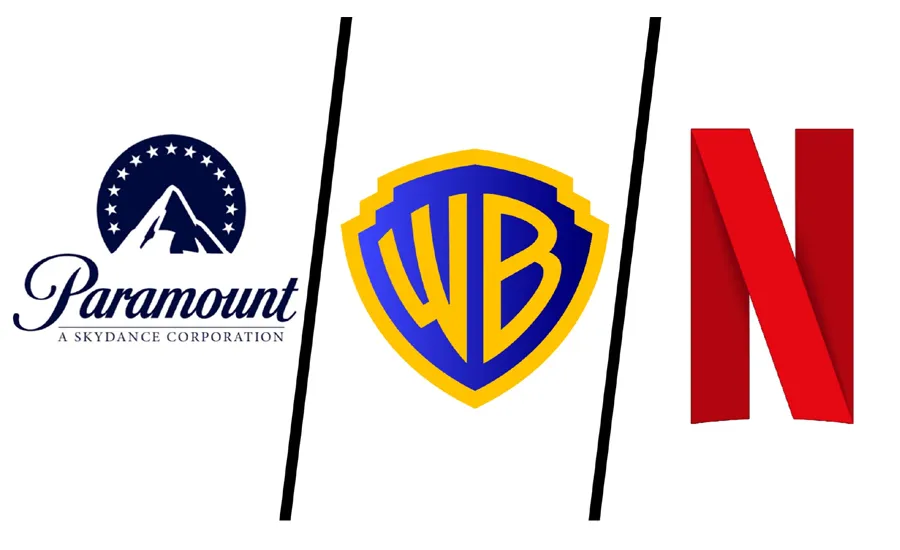
The entertainment industry faces unprecedented turmoil as Paramount Skydance launched a stunning $108.4 billion hostile takeover bid for Warner Bros Discovery, directly challenging Netflix’s recently announced acquisition agreement. This dramatic corporate showdown represents one of the largest media consolidation attempts in history, threatening to reshape Hollywood’s power structure permanently.
The aggressive counter-offer comes just days after Netflix struck a deal to acquire Warner Bros Discovery’s studio and streaming assets for $72 billion, sparking immediate controversy from industry leaders, government officials, and international observers alike.
Trump Administration Threatens Direct Intervention
President Donald Trump publicly stated that Netflix buying Warner Bros could be an antitrust problem, adding that he will be involved in the approval process. This unprecedented presidential involvement in a private corporate transaction signals the massive implications this deal carries for America’s entertainment infrastructure.
The potential intervention has sent shockwaves through Wall Street and Hollywood alike, with stakeholders scrambling to understand how political factors might influence the final outcome of this historic acquisition battle.
Paramount’s Counter-Attack: Understanding the $108 Billion Hostile Bid
Paramount announced Monday it would offer $30 per share in cash for Warner Bros Discovery, representing a significantly higher valuation than Netflix’s initial proposal. Paramount’s bid is for the entire company, not just select assets, fundamentally differentiating their approach from Netflix’s targeted acquisition strategy.
Key Differences Between Competing Offers
Netflix’s Original Deal:
- Total value: $72 billion equity, $82.7 billion including debt
- Targets: Warner Bros studios, HBO Max, and HBO
- Excludes: Global Networks division (TNT, TBS, CNN)
Paramount’s Hostile Bid:
- Total offer: $108.4 billion
- Cash payment: $30 per share to shareholders
- Scope: Complete Warner Bros Discovery acquisition
- Premium: $18 billion higher than Netflix deal
According to industry analysis from NBC News, Paramount’s comprehensive approach appeals to shareholders seeking maximum immediate returns while maintaining traditional Hollywood studio operations.
What Assets Are at Stake in This Massive Deal?
Warner Bros Discovery represents one of entertainment’s most valuable asset portfolios, featuring legendary franchises and intellectual properties that generate billions annually:
Film Franchises:
- Harry Potter universe
- DC Comics (Batman, Superman, Wonder Woman)
- Lord of the Rings
- Matrix series
Television Properties:
- HBO and HBO Max streaming
- Game of Thrones franchise
- Warner Bros Television Studios
- CNN (under Global Networks)
Gaming Division:
- Mortal Kombat franchise
- Injustice series
- DC video game properties
The CBC reported that controlling these properties would instantly transform either Netflix or Paramount into an unprecedented entertainment powerhouse.
Industry Opposition Mounts Against Netflix Acquisition
Theater owners blast the Netflix acquisition as an unprecedented threat to the film industry, fearing the streaming giant’s business model could eliminate traditional theatrical releases for Warner Bros’ major franchises.
Directors Guild and Hollywood Unions Express Concerns
The Directors Guild of America scheduled meetings with Netflix to discuss how the acquisition might affect filmmakers’ creative control and distribution options. Anonymous film producers sent letters to Congress expressing fears about Netflix’s market dominance and potential retaliation against critics.
California Attorney General Robert Bonta raised concerns about further consolidation in markets central to American economic life, suggesting state-level regulatory scrutiny beyond federal antitrust reviews.
Regulatory Hurdles: Why This Deal Faces Unprecedented Scrutiny
Both proposed acquisitions must navigate complex regulatory approval processes across multiple jurisdictions:
United States Requirements:
- Department of Justice antitrust review
- Federal Trade Commission evaluation
- Presidential administration input (unprecedented involvement)
- State attorney general investigations
European Union Process:
- Phase II investigation (minimum 90 days)
- Competition authority assessments across member states
- Content diversity and market competition analysis
According to Breitbart’s comprehensive coverage, regulatory approval could take 12-18 months, assuming no significant objections emerge during review processes.
Financial Market Reactions and Analyst Perspectives
Pivotal Research Group downgraded Netflix stock to hold from buy, lowering the target price from $160 to $105 per share following the Warner Bros acquisition announcement. Analysts expressed concerns that the expensive deal signals management anxiety about declining subscriber engagement and competition from short-form entertainment platforms.
Debt Concerns and Financial Viability
Analysts warn that Paramount’s offer comes with risks, including additional debt needed to make the transaction work. The massive financial commitment required for either deal raises questions about long-term profitability and operational efficiency post-merger.
What Happens to Warner Bros Gaming Under New Ownership?
Warner Bros Games is confirmed as part of the Netflix acquisition, though gaming received minimal attention in initial announcements. The gaming division includes highly profitable franchises like Mortal Kombat and Injustice, representing significant revenue streams beyond traditional film and television.
Industry insiders speculate about potential disruptions to games currently in development, though EventHubs reports that projects like the rumored Injustice 3 would likely continue uninterrupted regardless of which company ultimately acquires Warner Bros.
Impact on Streaming Services and HBO Max
Netflix intends to maintain Warner Bros’ current operations, including HBO Max, suggesting the streaming platform would continue operating under its existing brand rather than immediate consolidation into Netflix’s interface.
This strategic decision addresses concerns about content library accessibility and subscriber retention during the transition period. However, long-term integration plans remain unclear, with speculation about eventual platform mergers once regulatory approvals finalize.
Traditional Hollywood vs Streaming Giants: Cultural Battle
Film industry insiders note that Paramount prioritizes quality over quantity, unlike Netflix’s volume-based content strategy. This fundamental philosophical difference represents deeper tensions between traditional Hollywood studio culture and Silicon Valley-style streaming approaches.
Theater owners and filmmakers worry Netflix’s acquisition would accelerate the decline of theatrical releases, potentially eliminating the cinema experience for major franchises that traditionally generated billions in box office revenue.
Timeline: How Did We Get Here?
Recent Developments:
- Early December 2024: Netflix announces $72 billion acquisition agreement
- December 8, 2024: Trump publicly threatens intervention
- December 9, 2024: Paramount launches $108 billion hostile bid
- Expected completion: Q3 2026 (if approved)
The compressed timeline reflects intense pressure on Warner Bros Discovery leadership to maximize shareholder value while navigating competing interests from multiple bidders and regulatory authorities.
What Industry Experts Predict Will Happen Next
Market analysts suggest three potential outcomes:
- Netflix Deal Proceeds: Regulatory approval granted with conditions, Netflix completes acquisition by late 2026
- Paramount Victory: Shareholders reject Netflix deal, accept higher Paramount offer despite regulatory risks
- Deal Collapse: Regulatory opposition too strong, Warner Bros Discovery remains independent or seeks alternative buyers
Each scenario carries massive implications for Hollywood’s future structure, content distribution models, and the balance between traditional studios and streaming platforms.
Conclusion: Hollywood’s Future Hangs in the Balance
This unprecedented bidding war for Warner Bros Discovery represents far more than corporate maneuvering—it symbolizes the entertainment industry’s struggle to define its future identity. Whether Netflix’s streaming-first vision or Paramount’s traditional studio approach prevails will shape how audiences consume entertainment for decades.
With presidential intervention threatened, regulatory scrutiny intensifying, and industry opposition mounting, the ultimate outcome remains uncertain. One certainty exists: Hollywood’s landscape will transform dramatically regardless of which company emerges victorious from this $108 billion battle.

Economic Affair
- Budhigandaki Flood: 47 Rescued as Bridges Washed Away
- Nepal Supreme Court Handcuff Order: Police Barred From Routine Use
- 250+ Officials Deploy to Assess Rasuwa-Bhotekoshi Flood Damage
- Electricity VAT: Energy and Finance Ministers Strike Landmark Deal After Just 2 Months
- Nepal Inflation Shockingly Triples to 5.96% — Food and Transport Hit Hardest







Comments